
Don’t Ignore These Critical Risks of Solar Scams
Share:
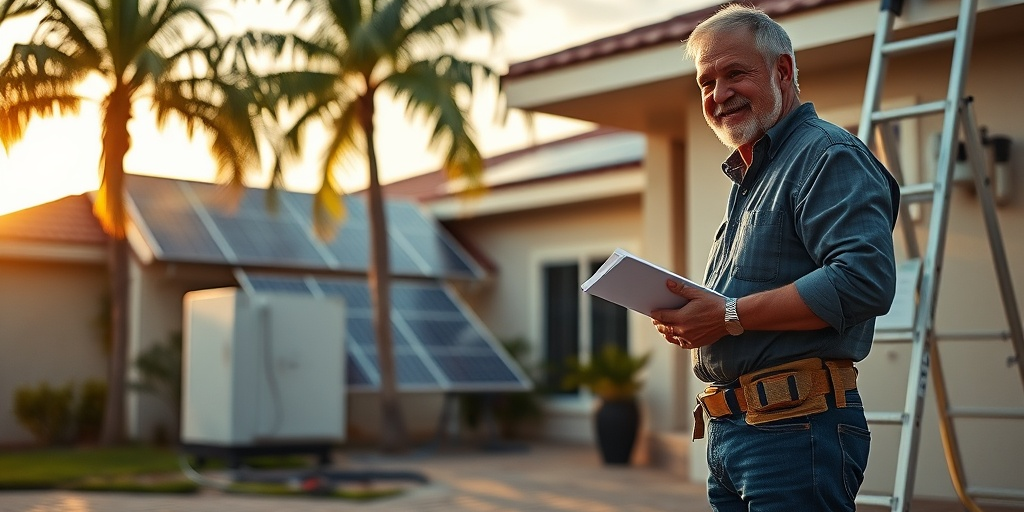
Don’t Ignore These Critical Risks of Solar Scams. Did you know that approximately 25% of Florida homeowners are considering solar energy, yet a staggering 80% of them end up falling prey to different types of solar scams? These numbers serve as a stark reminder that the solar industry is not only about sustainability and savings; it is also a minefield of potential pitfalls for the unwary. In 2025, with rising energy costs and increasing pressure on traditional power grids, the urgency to adopt solar energy mounts. However, with heightened interest comes an increase in deceptive practices designed to exploit hopeful homeowners. Understanding the critical risks of solar scams is paramount to protect your investment. This guide will delve deep into the world of solar scams, exploring critical strategies to shield yourself and make informed decisions. Throughout our exploration, we will cover five key areas: a remarkable case study illustrating the impact of scams, an actionable checklist for homeowners, myth-busting common misconceptions, practical knowledge directly relevant to Florida’s homeowners, and a technical deep-dive into savvy energy savings.
Unmasking the Solar Scam Landscape
Meet Linda and Joe, a couple living in Sarasota, Florida, who were enamored with the prospect of going solar. With a growing family and a desire to cut electric bills, their eagerness led them to a flashy seminar showcasing “unbeatable” solar deals. Initially excited about the promise of saving thousands, they discovered far too late that they were victims of a deceptive solar installation scheme. Their installers claimed exorbitant savings through rebates and financing structures that were, inexcusably, too good to be true. In the end, Linda and Joe found themselves trapped in a contract that did not deliver any of the promised benefits and left them with sky-high electricity bills instead. To prevent your family from experiencing a similar fate, here is a checklist of essential steps you must take before going solar in Florida.
- Step 1: Research the Company – Before choosing a solar installer, check their reviews and request references from previous clients. Use websites like the Better Business Bureau to gauge their reputation.
- Step 2: Verify Licenses and Certifications – Make sure any contractor you consider is licensed to operate in Florida and has the necessary certifications (like NABCEP) to protect yourself from fraud.
- Step 3: Read the Fine Print – Understand all aspects of the contract before signing. Look out for undisclosed fees or unreasonable cancellation policies that could lead to financial problems down the line.
- Step 4: Be Cautious of Unrealistic Promises – If a solar installer mentions savings that seem too good to be true, exercise caution. Real savings can often be more modest, depending on your home’s layout, local energy rates, and the specific system installed.
- Step 5: Consult Local Experts – Don’t hesitate to reach out to local solar experts who can provide an independent review of any offers and guide you through the process. You can visit floridaelectricandsolar.com for support.
By following this checklist, you ensure that you remain proactive in your solar journey, sidestepping the pitfalls that Linda and Joe encountered. But what about the common myths that circulate about solar energy? Let’s uncover them next.
Myth-Busting: Solar Energy Misconceptions Help Fuel Scams
One significant hurdle for prospective solar adopters is misinformation, often leading them into the arms of unscrupulous companies. It’s time to bust these myths wide open!
- Myth #1: All solar panels are the same. – This couldn’t be further from the truth. There are various types of solar panels (monocrystalline, polycrystalline, thin-film) and each has its efficiency, warranty, and cost differences. Choose wisely!
- Myth #2: You can save money even if you don’t live in a sunny area. – While shading and sunlight hours affect performance, even partially sunny states like Florida can yield significant savings. Just ensure you pick the right installer who will evaluate your specific location.
- Myth #3: Solar installation is prohibitively expensive. – The initial costs can be offset by various state and federal incentives available to Florida homeowners, reducing the overall financial burden significantly.
- Myth #4: Once installed, there is no upkeep required. – Your solar system requires regular maintenance and cleanup to function efficiently. Homeowners should ensure their panels are routinely inspected and cleaned.
- Myth #5: Solar energy will not help if I live in a condo or apartment. – On the contrary, options like community solar programs exist for those who cannot install panels directly on their homes, offering a feasible alternative.
Knowing these myths can help you navigate the waters of solar energy with clarity. Now, let’s focus more on Florida-specific factors that can either help or hinder your solar journey.
Florida-Specific Insights on Solar Scams
Florida boasts one of the highest potential solar energy outputs in the country, but with that potential comes a fair share of challenges. Knowing Florida’s landscape can be crucial in identifying scammers.
- Understand the Solar Tax Credit: Florida residents are eligible for the Federal Investment Tax Credit (ITC), which allows you to deduct a percentage of the cost of installing a solar energy system from your federal taxes. However, some scammers may misrepresent the details or availability of these credits.
- Stay Informed about Local Regulations: Florida has several regulations surrounding solar energy. For instance, there may be unique permit requirements depending on your county. Always check with local regulations to ensure compliance.
- Leverage Solar Financing Options: Solar loans, leases, and Power Purchase Agreements (PPAs) are often touted, but you should give them a thorough examination. Understand every term to prevent costly commitments embedded in misleading contracts.
As energy efficiency becomes increasingly important for Floridians, so does knowledge of the technology behind solar energy systems. Understanding how solar works can save you headaches in the future.
Technical Deep-Dive: Understanding Your Solar Energy System
To make informed decisions regarding solar installations, it is imperative to comprehend the components that make up a solar energy system. Let’s break down the technical aspects.
- Solar Panels: The heart of your solar system, determining how much energy you can harness. The type of panels you choose will affect your return on investment and electricity generation. Opt for high-efficiency panels that come with robust warranties.
- Inverters: These convert sunlight into usable electricity. If they fail, your solar productivity will drop significantly. Be sure to purchase reliable inverters with warranties that last.
- Batteries: Energy storage solutions are becoming increasingly popular, allowing homeowners to maximize their solar power use by saving energy for nighttime. Understand your energy needs to select the appropriate battery system.
Understanding the intricacies of your solar energy system better equips you against potential scams. Next, let’s take a look at how Florida homeowners can create an action plan before embarking on their solar journey.
Next Steps for Florida Solar Buyers in 2025
You’re convinced that solar energy is right for you, but where do you begin? Here’s an actionable checklist to set you on the right path as a savvy buyer in 2025.
- Step 1: Audit Your Electric Bill – Review your energy consumption patterns to gauge how much sun you need and how large your system should be to cover that.
- Step 2: Research Solar Incentives – Keep up to date with the state and federal incentives available in Florida to offset your installation costs.
- Step 3: Create a Budget – Determine how much you’re willing to invest and look for transparent financing options to match that budget.
- Step 4: Explore Multiple Quotes – Get estimates from at least three reputable solar companies to understand the market and tailor your approach.
- Step 5: Consult an Expert – You don’t have to navigate this complex world alone; reach out to professionals for tailored advice. Connect with us at floridaelectricandsolar.com for expertly guided support.
Following these steps will help in demystifying the process of going solar and empower you to make an educated decision that could positively affect the quality of life for you and your family for generations to come.
In conclusion, the landscape for solar energy in Florida is filled with both promise and pitfalls. By now, you should recognize the importance of understanding these critical risks of solar scams. With heightened enthusiasm around solar energy in 2025, it is crucial to arm yourself with the right knowledge and resources. Protect your pocketbook, safeguard your investment, and approach your solar journey with vigilance and purpose. Ready to start your solar journey in 2025? Connect with a certified expert at floridaelectricandsolar.com today.
Related Articles
More insights about Solar Scams

Warning: Don’t Overlook These Solar Scams to Avoid

Don’t Miss This Critical Alert About Solar Scams

Don’t Ignore These Critical Solar Scams to Avoid
Ready to Go Solar?
Have questions about solar energy? Our experts are here to help you make the switch to clean, renewable energy.