
Don’t Ignore These Critical Solar Panel Installation Risks
Share:
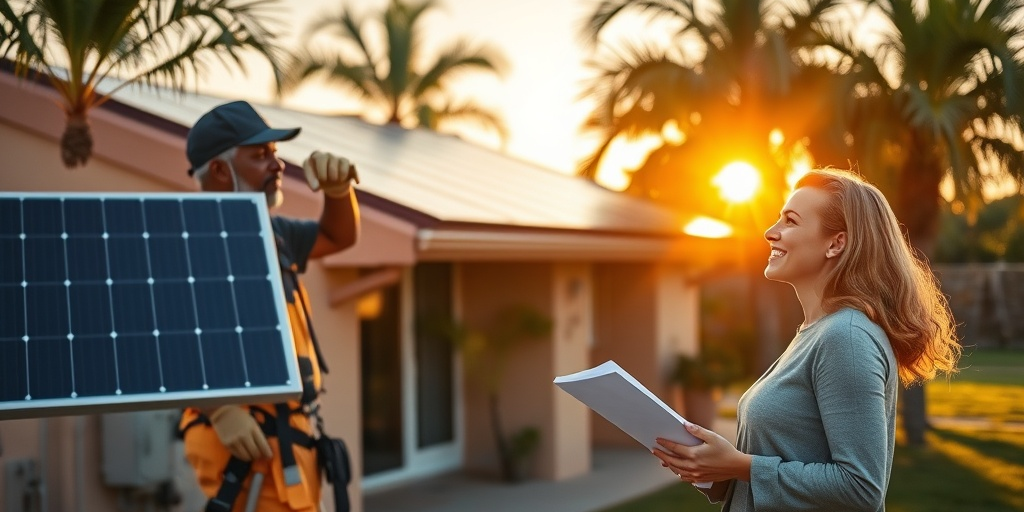
As a Florida homeowner, did you know that rooftop solar systems could save you up to 90% on your electric bills? Surprisingly, many homeowners remain unaware of the risks involved in solar panel installations. In fact, a staggering 20% of solar installations across the nation encounter issues that could have been avoided with proper due diligence (SolarReviews.com). In 2025, as Florida pushes for a 100% renewable energy status by 2045 and incentives for solar power installations increase, it is crucial to understand the potential pitfalls before making a commitment. The landscape of solar energy is evolving rapidly, and the decisions you make now can significantly impact your finances and energy independence for years to come. In this article titled Don’t Ignore These Critical Solar Panel Installation Risks, we will unearth these risks, explore their ramifications, and arm you with knowledge to navigate your solar journey effectively. We will cover five significant sections: real-life case studies highlighting commonly faced challenges, checklists for safe installations, myth-busters debunking common misconceptions, local insights specifically relevant to Florida homeowners, and a technical deep dive into the various aspects of solar energy systems. Let’s unravel these critical issues together!
Real-Life Case Study: The Ripple Effect of Neglected Risks
Imagine Jane, a hardworking single mother from Tampa, who recently invested her savings into solar panels to reduce her growing electric bills. She had envisioned an energy-efficient future; however, her dream quickly turned into a nightmare. Jane relied on an amateur installer who offered an enticingly low quote yet lacked the necessary experience. Within a few months, she began to notice irregularities—her energy bills didn’t significantly drop, and worse, her solar panels started malfunctioning due to improper installation. Jane’s story is not unique; it reflects a broader trend that 30% of homeowners regretted their solar installation choices due to unexpected issues (SEIA.org).
To prevent Jane’s story from repeating itself, here’s a **checklist of actionable steps** you should follow before installing solar panels:
- Step 1: Conduct thorough research on potential installers. Look for customer reviews, accreditations, and past work examples to gauge their reliability.
- Step 2: Ensure the installer knows local building codes and permits necessary for solar installations in Florida.
- Step 3: Review the materials being used. Cheap solar panels may save you money upfront but could lead to higher long-term costs due to inefficiency.
- Step 4: Schedule a detailed site assessment to determine optimal panel placement and avoid roof damage. A poorly placed system can lead to shading issues and additional costs.
- Step 5: Compare quotes meticulously, ensuring that you consider the warranty, service commitments, and performance guarantees offered with each quote.
It’s important to note that many Florida homeowners fall into the trap of believing that solar energy is a “set it and forget it” solution. This myth can result in severe consequences, including network grid issues and rising electricity costs that compound year over year. Awareness of these installations risks is vital for successful solar energy conversion in 2025 and beyond.
Myth #1: “Solar panels only work in sunny areas.” Contrary to popular belief, solar panels can still generate energy on cloudy days. In fact, innovative technologies are designed to maximize energy capture even under less-than-ideal weather conditions.
Myth #2: “Solar energy is too expensive.” With tax credits, rebates, and increasing efficiency, solar energy systems are more affordable than ever. In 2023, the average solar panel installation cost dropped by 11% from the previous year, making it an attainable option for many (Energy.gov).
Myth #3: “Installing solar panels will hurt my roof.” When appropriately installed by experienced professionals, solar panels can protect your roof while providing energy savings. In fact, the panels extend the lifespan of your roof by shielding it from UV radiation and other harsh weather elements.
Understand that transforming your home energy source to solar is a serious commitment that requires thoughtful decision-making. To keep the momentum moving forward, let us dive deeper into the next critical concept.
Understanding the Importance of Local Installation Regulations and Incentives
Local regulations and incentives play a significant role in ensuring the safety and efficacy of your solar installation. Florida has become incredibly welcoming for solar energy, offering various incentives like net metering, which allows homeowners to sell excess energy back to the grid. This could provide a monthly credit that offsets your energy bills. As part of the solar community, it’s vital to stay informed about state-specific policies regarding installation guidelines and financial incentives.
- Understanding local permits: Different counties in Florida may have unique building codes relating to rooftop solar installations. Familiarize yourself with these to avoid any legal repercussions.
- Incentive variations: For instance, the Solar Energy System Incentive Program provides financial rebates, making it more affordable for Floridians to install systems by covering a portion of the installation costs.
- Neighborhood associations: Some communities have specific rules that govern aesthetic preferences for solar installations. Check your neighborhood policies before investing in solar panels.
Additionally, it’s worth exploring these benefits to avoid unwanted installation risks. Those who are well-informed about their local environment save time and money, as many issues arise simply due to a lack of awareness and preparation. For more information about the specific incentives available in Florida and how to apply for them, feel free to visit floridaelectricandsolar.com.
5 Expert Solar Installation Tips for 2025
Transitioning to solar energy can be daunting, but with the right guidance, it could be an incredibly rewarding experience.
Here are five essential tips to consider for a successful installation:
- Don’t skimp on panel placement. Proper location can maximize efficiency, minimize shading effects, and ultimately save you money. The angle of your roof can significantly impact the performance of your solar energy system—so consider a professional evaluation.
- Choose high-quality components. Investing in premium solar panels, inverters, and battery systems may incur higher costs upfront but will yield longer-term benefits through durability and efficiency.
- Understand your utility company’s policies. Different providers have varying rates for solar energy backfeed. Research these rates and choose the most favorable plan to ensure you receive the best return on investment.
- Regular maintenance is crucial. Ensure that your solar energy system receives regular inspections and cleaning to keep everything working efficiently. Schedule maintenance proactively; neglecting this aspect can lead to performance issues over time.
- Educate yourself about energy storage options. Batteries are becoming increasingly popular in Florida as homeowners recognize their ability to store energy during the day for evening use. Consider battery storage in your installation plans to optimize your energy independence.
It is vital to know that despite these guidelines, new technologies can fluctuate frequently, and keeping up to date with industry changes can have a significant impact on your investment. Keeping abreast of these developments allows you to harness the full potential of solar power.
A Florida Homeowner’s Journey to Solar Energy
Let’s examine the journey of Tom, a Clearwater homeowner who planned to embark on solar energy use. Tom researched solar extensively but still found himself overwhelmed by options and potential risks. One afternoon, he came across an article explaining the importance of panel quality and experienced installations. It struck him—quality is non-negotiable.
With renewed vigor, Tom created a solid plan which included:
- Understanding his energy consumption pattern.
- Setting a realistic budget by comparing multiple installers and component options.
- Selecting an experienced installation team known for sustainable practices.
- Researching local incentives that could offset costs significantly.
- Incorporating energy storage systems to enhance efficiency.
By meticulously following these steps, Tom experienced a smooth and effective transition to solar. His goal was not only to cut his bills but to inspire neighbors in his community to take action. Ultimately, his initial skepticism faded as he realized that solar energy was an investment in his family’s future. As a bonus, Tom found that a well-installed solar energy system can increase property values by up to 4.1% (NREL.gov).
Next Steps for Florida Solar Buyers in 2025
As we draw closer to 2025, it’s crucial to formulate a clear action plan. By taking actionable steps now, you can enjoy the full benefits of solar technology while avoiding potential installation risks that may arise.
Here are the next essential steps:
- Step 1: Audit your electric bill to understand your current energy usage. This will give you an idea of how much energy your solar panels should generate.
- Step 2: Research and shortlist reputable solar installation companies. Seek testimonials and ask for references to ensure you choose experienced professionals.
- Step 3: Schedule a consultation with your chosen installer to discuss options tailored to your home’s design and energy needs.
- Step 4: Review financing options carefully. As incentives are plentiful in 2025, make sure to take advantage of all state and federal programs available.
- Step 5: Prepare for the installation by creating a maintenance plan and understanding the warranty policies for your new system.
By following these steps, you can navigate the installation process with much less friction and newfound confidence. If you have more questions about this journey, feel free to visit floridaelectricandsolar.com, where helpful resources await.
As we conclude, it’s evident that the journey toward solar energy is rife with both opportunities and challenges. Each step you take can build a brighter future for you and your family while contributing to Florida’s renewable energy goals. By understanding the risks, making informed decisions, and seeking guidance, you can maximize your solar investment and enjoy the benefits of energy independence. The urgency to act is now—join countless other homeowners embracing solar energy and make 2025 the year you take the leap into sustainable living. Ready to start your solar journey in 2025? Connect with a certified expert at floridaelectricandsolar.com today.
Related Articles
More insights about Solar Panel

Florida Homeowners: Why Solar Panel Maintenance Is Essential

7 Essential Steps for Solar Panel Installation Success

Expert Insights: Key Factors Influencing Solar Panel Lifespan
Ready to Go Solar?
Have questions about solar energy? Our experts are here to help you make the switch to clean, renewable energy.