
Don’t Ignore These Critical Solar Panel Installation Risks
Share:
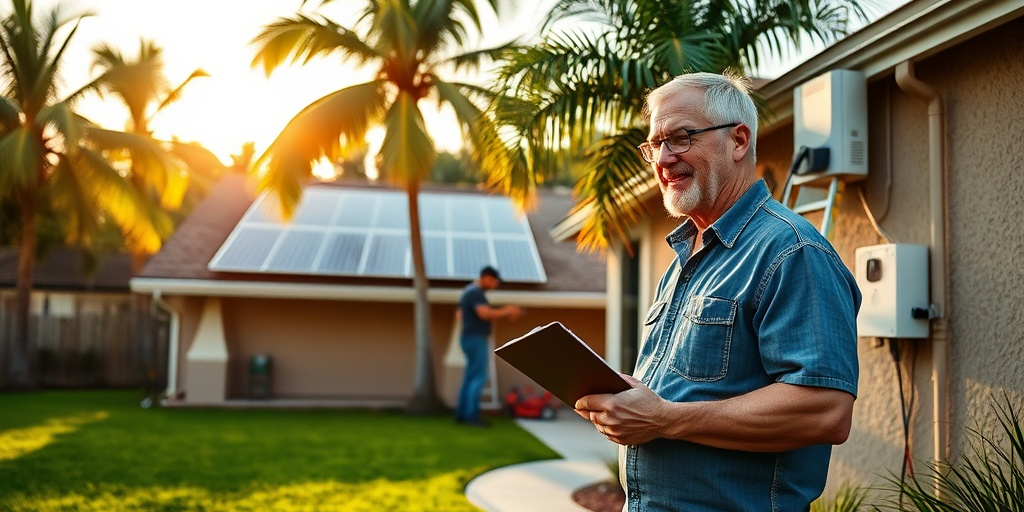
Imagine this: you wake up one sunny Florida morning, excited to reduce your utility bills and contribute to a more sustainable planet with your newly-installed solar panels. But then, disaster strikes. Your rooftop installation leaks, your panels malfunction, and the warranty doesn’t cover the damages—leaving you with a costly mess and no way to navigate the aftermath. Stories like this are all too common and highlight why you should not ignore these critical solar panel installation risks. In fact, nearly 60% of homeowners who installed solar panels in the last five years faced issues related to improper installation (SEIA.org). Moreover, with Florida ranks second in the nation for solar capacity as of 2023 (SolarReviews.com), it’s essential that you understand the pitfalls before making the leap. With rising energy costs, new incentives from federal policies, and increasing dependency on renewable energy sources, navigating solar installation in 2025 could be a matter of urgency. This blog will guide you through the five crucial sections that every Florida homeowner and commercial property owner must consider before going solar: the impact of poor installation practices, a thorough checklist for success, common myths debunked, local insights on Florida’s solar landscape, and an in-depth exploration of technical nuances. Each section is designed not only to educate but to arm you with the knowledge needed to avoid costly mistakes and ensure your project’s success.
Understanding the Risks of Solar Panel Installation
Let’s begin by diving into a real-life case that illustrates the serious risks associated with solar panel installation. Meet Maria, a homeowner in Sarasota, Florida, who was thrilled to finally invest in solar power for her family. She did all the right things: researched companies, read reviews, and selected a provider that promised high-quality service at competitive prices. However, after the installation, she noticed both leakage and electrical issues within the first few months. Maria’s story is a cautionary tale of what can happen when you don’t do the necessary legwork. Here’s a checklist of potential risks to be aware of:
- Improper Installation: Ensure that the contractor follows the manufacturer’s guidelines.
- Subpar Materials: Verify that high-quality, certified equipment is used for your installation.
- Lack of Permitting: Confirm that all necessary permits and inspections are obtained to avoid fines.
- Inadequate Warranties: Look for comprehensive warranties to protect you from future issues.
- Ignoring Local Codes: Understand Florida’s specific regulations to stay compliant.
Now, let’s debunk some prevalent myths surrounding solar panel installation. Many homeowners erroneously believe that all solar installers are created equal or that a DIY solution is viable. However, opting for a less experienced installer can lead to major pitfalls, as showcased in Maria’s case. Solar panel installations can involve complex electrical work, which requires professional expertise to ensure safety and performance.
In Florida, the solar market is anticipated to grow rapidly in 2025 due to recent state legislation favoring renewable energy. However, as a potential solar buyer, understanding these risks is essential. Research shows that improper installation can lead to efficiency drops of up to 25% (NREL.gov), putting your investment at risk. Additionally, many homeowners face difficulties with claiming their warranties due to misunderstandings regarding what constitutes a covered defect. Thus, it’s vital to choose a reputable local installer like Florida Electric & Solar that adheres to stringent installation practices.
Understanding your local solar laws is another crucial factor. Florida’s specific regulations can affect the overall efficacy and legality of your solar setup. In 2024, it was reported that nearly 30% of Florida residents experienced issues related to permitting or zoning, dramatically delaying their projects (DSIREUSA.org). As we continue, we will outline a comprehensive checklist to assist you in navigating these risks effectively.
Essential Checklist to Ensure a Successful Solar Panel Installation
Implementing a solar energy solution does not have to be rife with uncertainty. Here’s your essential checklist dedicated to ensuring that your project runs smoothly:
- Step 1: Conduct a Home Energy Audit.
- Step 2: Research and Compare Solar Installers in Your Area.
- Step 3: Verify Licenses and Insurance of the Chosen Installer.
- Step 4: Review the Contract Thoroughly Before Signing.
- Step 5: Schedule Necessary Permits and Inspections.
Taking a proactive approach, starting with a home energy audit, assists in understanding your household energy needs and identifying potential areas for improvement. Furthermore, Florida homeowners often overlook the importance of selecting an installer with both licensing and insurance—this protects you from liability in case of accidents on-site. With the anticipated growth of solar energy in the state, competition among installers is fierce in 2025. Don’t settle for a company that lacks experience; the reputation and reliability of a provider are paramount.
Moreover, before signing any contracts, scrutinize the fine print to ensure that you fully understand your rights and responsibilities, including warranties on both installations and materials. It’s here that most Florida homeowners falter—they trust their installers without fully comprehending the implications. To cut through the noise, ensure you document everything and keep records; this is vital for securing claims in the future.
Your local solar laws should dictate the permits and inspections required for your solar installation. Understand that Florida has unique requirements to make sure your project progresses without bureaucratic hurdles. For a streamlined experience, partnering with a knowledgeable company, such as Florida Electric & Solar, can guide you through local regulations and keep your installation compliant. Now, let’s take a closer look at some of the more common myths that can lead to dangerous mistakes in solar installations.
Common Myths About Solar Panel Installation in Florida
As with any transformation, there are numerous myths that persist around solar installations. Dispelling these misconceptions is critical for any serious homeowner considering solar energy. Here are five common myths you should be aware of:
- Myth #1: Solar Panels Aren’t Worth the Investment. Many believe that the high upfront costs outweigh long-term savings; however, incentives and financing options are widespread, making solar energy increasingly affordable.
- Myth #2: You Can’t Go Solar If Your Roof is Old. While it’s true that an aging roof can complicate installations, a qualified installer can assess your roof’s health and suggest ways to optimize placement.
- Myth #3: Solar Power Only Works in Sunny Locations. Florida enjoys ample sunshine, but solar panels can generate energy even on cloudy days, making them a viable option nearly year-round.
- Myth #4: Solar Energy is Only Beneficial for Homeowners. Commercial properties now benefit significantly from solar incentives, enjoying reduced energy costs and increasing their sustainability initiatives.
- Myth #5: Solar Panels Cause Damage to Your Roof. When installed by a qualified professional, solar panels can actually provide a protective layer, extending the lifespan of your roof.
Refuting these myths helps set a more realistic expectation and guides you toward making informed decisions. In Florida, understanding the evolving solar landscape—which boasts long-term benefits—is crucial for maximizing savings and efficiency. As we advance, let’s delve into the localized landscape of solar benefits and potential pitfalls unique to Florida residents.
The Florida Solar Landscape: Local Insights and Regulations
The state of Florida is a bright spot in the solar energy industry thanks to favorable sunshine conditions and supportive legislation. However, navigating the complexities of local regulations is essential for ensuring a smooth solar panel installation experience. Key aspects to consider include
- Solar Access Rights: Florida law protects your right to install solar panels on your property regardless of HOA rules to some extent. Knowing your rights will safeguard your installation goals.
- Permitting Requirements: Each county may have different guidelines for solar installations. Engage with local authorities to ensure compliance and avoid delays.
- State Incentives: The Florida Solar Rights Act promotes solar power through incentives, tax credits, and grants, aimed at reducing upfront costs.
- Utility Interconnection: Requirements vary greatly, and they impact your installation costs and overall system effectiveness. Awareness ensures you meet local utility demands.
- Insurance Implications: Understand how solar installations affect homeowner’s insurance; adjustments may be necessary, affecting your rates.
These unique local policies foster an environment that encourages homeowners to embrace solar energy. Nonetheless, misinterpreting these regulations can lead to unintentional violations, resulting in costly fines or required deconstruction of improperly installed panels.
Statistics reveal that Florida has installed nearly 3.4 gigawatts of solar energy capacity, making it the second-largest solar market in the United States as of 2020 (SEIA.org). With this growth comes a competitive marketplace that encourages innovation but also risks subpar workmanship if homeowners are not adequately informed. Always partner with a trusted solar expert like Florida Electric & Solar to ensure adherence to all local statutes and comprehensive service. Now, let’s explore the technical aspects of installing solar panels to better understand their functioning and maintenance needs.
Understanding Solar Technology: Technical Deep-Dive
As a prospective solar buyer, having insight into solar technology will empower you through the installation process. Here’s a look at the critical components to consider:
- Solar Panels: Various types exist, including monocrystalline and polycrystalline models. Monocrystalline panels tend to be more efficient but can be pricier.
- Inverters: Inverters are crucial for converting the DC electricity generated by your panels into AC electricity needed for home use. Choosing a high-quality inverter can significantly affect the system’s efficiency.
- Batteries: Energy storage systems allow for energy independence. As battery technology advances, consider the best options for your household needs.
- Monitoring Systems: Invest in monitoring systems to track the performance of your installation. Knowing how your investment performs can highlight issues before they become problematic and costly.
- Maintenance Practices: Familiarize yourself with basic maintenance; routine inspections can prevent small issues from escalating into larger, expensive ones.
Technological advancements continue to shape the landscape of solar energy. In particular, the efficiency of contemporary solar panels has improved markedly, with studies indicating advancements contributing to an increase in generation capabilities by up to 20% over the last decade (NREL.gov). Understanding how each component works and interacts with others will help you make informed decisions and ensure a seamless installation.
Moreover, recognizing maintenance requirements can go a long way in extending your solar system’s life cycle. Properly seated panels and regularly cleared debris are essential tasks that mitigate risks of malfunction and the costly repairs that can follow. Enumerating these technical aspects helps prepare you to make an educated decision regarding solar energy as you draft your plans toward installation in 2025.
Next Steps for Florida Solar Buyers in 2025
Now that you’ve absorbed valuable information, it’s time to put it into action. Follow this step-by-step action plan to ensure your solar panel project is successful.
- Step 1: Audit Your Current Energy Usage. Address your energy consumption habits to identify areas where efficiency can be improved.
- Step 2: Explore Financing Options. Look for state rebates and federal tax incentives, which are pivotal in reducing your upfront costs.
- Step 3: Seek Expert Consultation. Engage with qualified installers who can provide tailored solutions to fit your solar goals.
- Step 4: Plan Your Installation Timeline. Align your installation with favorable weather patterns to minimize disruptions.
- Step 5: Consider Future Energy Needs. Think about your future energy consumption needs and how solar can accommodate those increases.
Taking these deliberate steps prevents simple mistakes that common homeowners often make. Many individuals overlook their current energy audit, which is crucial for understanding how much solar capacity you desire. Properly exploring potential rebates allows you to take full advantage of available resources, making a tangible difference to your bottom line.
Consulting with expert installers ensures that you will have accurate guidance tailored to your specific requirements. Your timeline should also accommodate seasonal factors, keeping in mind Florida’s weather patterns to ensure a seamless installation process. Finally, evaluate your future energy needs. Planning for growth may require larger systems than initially expected and will serve your household well down the line.
The road to a successful solar installation is paved with informed decisions that take various factors into account—from technology to financial options. Each aspect we’ve covered throughout this article has been designed to empower you to maximize your solar investment.
As we conclude our extensive exploration of solar panel installation risks, remember that the journey to energy independence is wholly within reach—with the right preparation and knowledge. Don’t overlook these crucial steps as you move toward a solar future. Prioritize quality, readability of contracts, and informed partnerships to maximize your investment while minimizing possible risks.
Ready to start your solar journey in 2025? Connect with a certified expert at floridaelectricandsolar.com today.
Related Articles
More insights about Solar Panel

Florida Homeowners: Why Solar Panel Maintenance Is Essential

7 Essential Steps for Solar Panel Installation Success

Expert Insights: Key Factors Influencing Solar Panel Lifespan
Ready to Go Solar?
Have questions about solar energy? Our experts are here to help you make the switch to clean, renewable energy.