
Don’t Ignore These Critical Solar Scams to Avoid
Share:
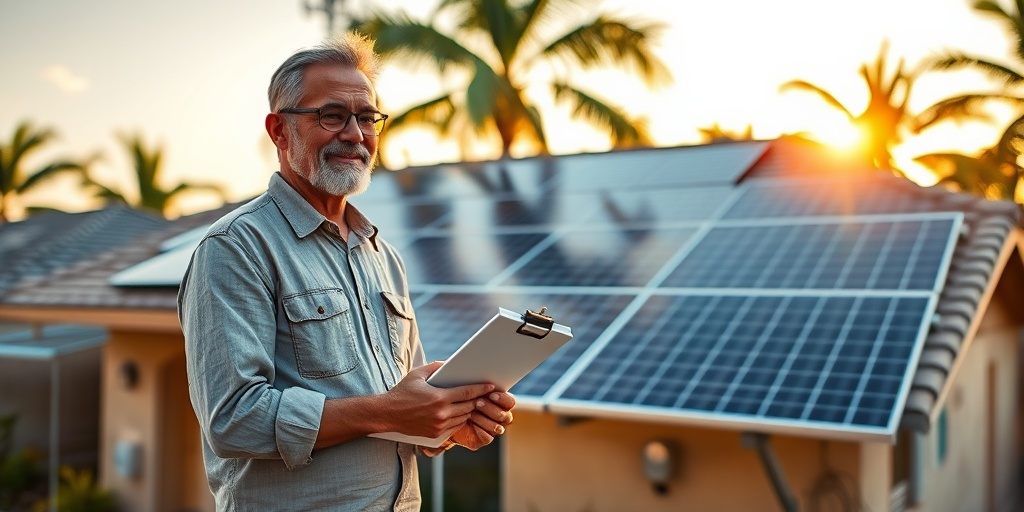
As energy prices continue to climb, Florida homeowners and businesses find themselves at a critical crossroads: embrace renewable energy or be left to shoulder exorbitant costs. Statistically, the price of residential electricity in Florida has increased by 17% over the last decade alone (Energy.gov). In a state that already houses over 400,000 solar installations, this reality underscores an urgent opportunity for residents to harness the power of the sun while minimizing their energy bills. However, as you consider making the switch, it’s essential to navigate the solar landscape carefully; breaches in trust and ethical practices can drain your finances. This urgency brings us to today’s topic, which is undeniably vital for anyone contemplating solar energy in 2025: Don’t Ignore These Critical Solar Scams to Avoid. In an era where new incentives for solar adoption are being introduced, it’s crucial to keep your guard up against unethical players lurking in the market.
This article dives deep into the various scams you should be aware of before you embark on your solar journey—preventative measures that can protect you financially while making the switch to greener energy. You’ll learn about a chilling case study that exemplifies the perils of poorly-vetted solar contracts, receive a comprehensive checklist for vetting companies, have common myths debunked, discover how Florida’s specific policies can serve you as a safeguard, and delve into the technical aspects of solar installations that scammers might exploit. Each section aims to equip you with knowledge and strategies necessary for safeguarding your investment in renewable energy while ensuring sustainable savings.
Are you ready to further protect your financial interests? Then let’s dive in!
Solar Scams: Don’t Be the Next Victim
The reality is that while more households transition to solar energy, scams targeting them have also proliferated. One compelling example is the case of a family in Orlando, who, thrilled to cut costs and invest in solar power, fell prey to an unscrupulous solar installer. Initially attracted by a tempting advertisement promising no upfront costs, they signed a complicated contract that ended up costing them thousands in hidden fees and inadequate service. The family’s dream of energy independence turned into a financial nightmare as their promised savings never materialized.
When exploring how to avoid similar traps, follow these five essential steps:
- Research the Company: Always check for licensing, reviews, and BBB accreditation. A simple online search can reveal whether a company has had complaints or legal issues related to its practices.
- Read the Fine Print: Uncover hidden fees by thoroughly reviewing contracts. Pay attention to terms related to warranty, services, and financing to shield yourself from unexpected charges.
- Seek Multiple Quotes: At least three bids give you a clearer idea of market rates and potential red flags related to excessively low prices or flights of fancy in promises.
- Beware of High-Pressure Sales: Legitimate companies understand that making such a significant investment takes time. If you feel rushed, take a step back.
- Confirm Financing Options: Financing is popular in the solar market. Make sure to understand all terms and don’t just opt for the first offer you see; better options might be available.
By following this checklist, you can avoid financial entrapments that others have fallen victim to, but you might be asking yourself, “What are some common myths that could lead me down the wrong path?” Let’s break down these misconceptions next.
Myths About Solar Energy That Could Cost You
Many beliefs surrounding solar energy can mislead homeowners, leading to unnecessary costs or poor decisions. Let’s debunk five common myths actually supported by compelling data.
- Myth #1: Solar Panels Don’t Work in Cloudy Climates: This myth is especially relevant in Florida, where summer storms are prevalent. In reality, solar panels can still function efficiently—often producing about 50% of their rated capacity—even under overcast skies (NREL.gov).
- Myth #2: Solar Energy Is Too Expensive: In 2020, the average cost of solar panels decreased by over 20%, making it more affordable than ever (SEIA.org). With financing options available, initial costs shouldn’t deter your decision to invest in solar.
- Myth #3: I’ll Never Be Able to Sell My Home: Homes equipped with solar energy systems can sell for up to 4% more than comparable properties without them, yielding substantial returns on investment (SolarReviews.com).
- Myth #4: All Solar Installations Are the Same: Quality varies by manufacturer and installer—always inquire about warranties and certifications. Not all solar panels are created equal; high-efficiency models can lead to better savings over time.
- Myth #5: Going Solar Means Losing Power During Outages: While grid-tied systems depend on the grid during power outages, battery backup systems can store energy, allowing homeowners to maintain power when it’s needed most.
As you clear these myths from your path, understanding your local environment is integral. In Florida, specific laws, incentives, and regulations can serve as both a springboard for savings and a defensive shield against scams.
Florida’s Unique Landscape for Solar Energy
Within Florida, many incentives and policies contribute to an evolving solar market. The Florida Solar Rights Law allows homeowners to generate, sell, and store electricity from solar panels; this creates a favorable environment for investment. Moreover, thanks to the federal solar investment tax credit, you can claim a credit of 26% of your installation costs on your federal taxes—an enticing reason for many homeowners to make the switch. But while these incentives invite innovation, they also create opportunities for scammers to exploit the unsuspecting.
Florida ranks among the states with the most favorable solar policies, but vigilance is required. Here are some specific factors worth considering:
- Interconnection Rules: Familiarize yourself with utility guidelines on grid interconnection. Inadequate guidance could result in significant installation costs if improperly done.
- Net Metering: Florida offers net metering, allowing users to earn credits on their electricity bills for excess energy generated. Understanding how this works can help maximize your savings (SolarReviews.com).
- Permitting Requirements: Local codes can differ, even between counties. Always confirm that any chosen contractor is aware of and compliant with these requirements.
- Statewide Rebates and Incentives: Check for available programs that further lower your installation costs. Many customers are unaware that Florida has attractive rebates in place specifically for residential solar installations.
Your diligence regarding local conditions and policies can help you capitalize on these benefits. But how can you ensure quality and reliability in your solar installations? This is where the technical aspects come into play.
Understanding the Technical Aspects of Solar Energy Installation
Grasping your solar system’s technical specifications can save you from being exploited. Take the time to learn about the major components involved in any installation. Here are some key elements you should know:
- Solar Panels: Modern solar panels generally come in two types: monocrystalline and polycrystalline, both of which have their advantages—including efficiency ratings that dictate energy production.
- Inverters: Inverters convert the direct current (DC) produced by solar panels into alternating current (AC) that your home can use. Opting for a high-quality inverter often means enhanced energy management.
- Batteries: If you’re considering energy independence, integrating battery storage systems can ensure you store excess energy for later use, allowing for uninterrupted power during outages.
Additionally, knowing your billing can prevent financial missteps while managing your energy expenses effectively. Transparency in monthly service fees, energy rates, and demand charges are critical in ensuring your utility company doesn’t impose unnecessary costs. As you venture into 2025, understanding these systems will help safeguard your investment from duplicitous practices in the market.
Next Steps for Florida Solar Buyers in 2025
You’ve taken in valuable information from understanding the common solar scams to identifying how to leverage Florida’s policies and technical knowledge to your advantage. But what should you do next? Here’s a straightforward action plan tailored specifically for potential solar buyers:
- Step 1: Audit Your Electric Bill: Begin by understanding your monthly energy consumption. Knowing how much energy you consume will help shape your solar energy system’s size for maximum savings.
- Step 2: Research Solar Installers: Use online tools and platforms that provide reviews and ratings. Be sure to focus on installers with a strong local presence to better assess their reputations.
- Step 3: Schedule a Consultation: Arrange to meet with multiple contractors. Use this time to ask the right questions about warranties, installation timelines, price structures, and efficiency ratings.
- Step 4: Verify Documentation: Before making any commitments, ensure you have copies of insurance and licensing documentation for your chosen contractor. This will further protect your investment.
- Step 5: Tap into Incentives and Financing: Work with your installer to understand state and federal incentives. Plan your budget to take full advantage of available tax credits before moving forward with any installation.
By following these steps, you can reduce the chances of falling victim to deceptive practices and make an educated investment in your home’s energy future. Always remember, knowledge is power.
The world is rapidly shifting toward sustainable energy solutions, and Florida homeowners have the potential to lead this charge. Solar energy isn’t just an option; it’s an opportunity to take control of your energy bills while contributing to a larger environmental cause. As you end your research about solar energy in Florida, never forget that the best safeguard against scams is informed decision-making.
Ready to start your solar journey in 2025? Connect with a certified expert at floridaelectricandsolar.com today.
Related Articles
More insights about Solar Scams

Warning: Don’t Overlook These Solar Scams to Avoid

Don’t Miss This Critical Alert About Solar Scams

Don’t Ignore These Critical Solar Scams to Avoid
Ready to Go Solar?
Have questions about solar energy? Our experts are here to help you make the switch to clean, renewable energy.