
Don’t Ignore This Critical Warning About Solar Scams
Share:
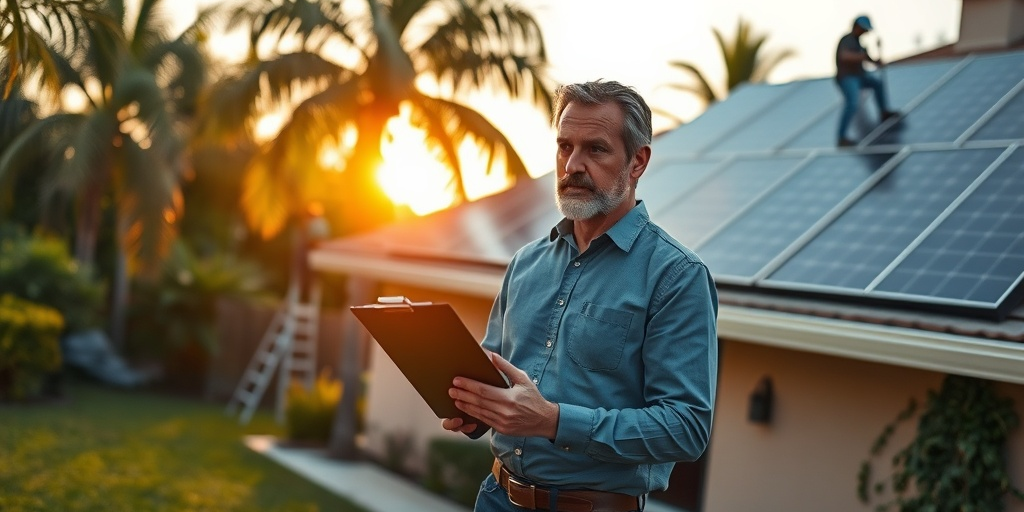
In the rapidly evolving landscape of renewable energy, nothing could be more critical than safeguarding your investment in solar energy. Did you know that in 2025, it’s projected that over 60% of new energy investments in Florida will focus on solar power? This shift is not just changing our energy matrix but also attracting a slew of unscrupulous players looking for quick profits. In fact, the Solar Energy Industries Association (SEIA) reports that solar-related scams have risen by 40% over the past year alone. Welcome to our comprehensive guide: Don’t Ignore This Critical Warning About Solar Scams. It’s essential to understand how to spot these scams and ensure your solar panel installation is safe, reliable, and beneficial for the long run. As Florida homeowners become more aware of rising energy costs and robust solar incentives, the urgency to recognize these scams will also increase. In this post, we’ll explore:
- How to identify and avoid solar scams
- Emotional stories from victims of these scams
- Practical checklists to ensure your solar installation is legitimate
- Facts and myths surrounding solar energy in Florida
- Best practices for securing your investments
Understanding Solar Scams: A Deep Dive
Solar scams are not a new phenomenon, but they are increasingly sophisticated, leaving many well-intentioned homeowners vulnerable. Consider the story of Jane, a Tampa homeowner who was excited about going solar. After attending a local event, she met a flashy vendor who promised her the world—high-efficiency solar panels, government rebates, and energy independence. Jane was so convinced that she signed a contract on the spot, only to realize weeks later that the company had disappeared, and her down payment was gone. Her story is part of a larger narrative; according to a recent report, 15% of all surveyed Florida homeowners indicated they had encountered some form of a solar scam (SolarReviews.com). What’s most alarming is that vulnerable populations, like low-income communities, are being targeted more than ever before.
To better understand solar scams, let’s break down key indicators to look out for:
- Pressure Tactics: Scammers often use high-pressure sales tactics to coerce you into signing contracts quickly. Legitimate companies will give you time to evaluate your options.
- Too-Good-To-Be-True Promises: If the deal sounds too good to be true, it probably is. Be skeptical of offers that promise unrealistic savings or incentives.
- Lack of Transparency: Reputable companies will freely provide information about their licensing, insurance, and prior customer reviews. If they hesitate or are vague, steer clear.
- Missing Contractual Terms: Always read your contract carefully. If essential terms are absent, you could be signing up for hidden fees or poor service.
- Unverified Vendors: Research companies and check their accreditation through organizations like the Better Business Bureau (BBB) to confirm their legitimacy.
During this section, it’s also essential to address some persistent myths surrounding solar energy:
- Myth #1: All solar companies are reliable. In reality, many companies in Florida do not have the proper licenses or customer service standards.
- Myth #2: Solar panels are too expensive. Incentives for 2025, such as tax credits and local rebates, can make solar very affordable for homeowners.
- Myth #3: “If I live in an area with frequent storms, solar won’t work for me.” Modern solar technology can withstand extreme weather conditions prevalent in Florida.
Understanding these aspects can significantly reduce your risk while investing in solar energy. According to SEIA reports, Florida now ranks fourth in the nation for installed solar capacity, marking the rising embrace of solar power in our community. As you navigate your solar journey, vigilance is your best ally.
Just as the sun rises each day, the opportunity for savings and energy independence is yours for the taking. However, the path can be fraught with risks that we must not ignore. Move forward carefully, and trust that knowledge is your best defense in this landscape. Let’s take a closer look at how you can protect yourself with actionable steps.
Your Essential Checklist for Solar Security
Your solar journey starts with a roadmap. Whether you’re just curious or ready to install solar panels, having a comprehensive checklist is invaluable for navigating the murky waters of solar investment. This section will outline critical steps to ensure your solar installation is legitimate and beneficial.
- Step 1: Audit Your Electric Bill
Understanding your electricity consumption can help you assess the size and type of solar system you need. Collect at least 12 months’ worth of utility bills to analyze usage patterns.
- Step 2: Conduct Thorough Research
Use online resources to find reputable solar companies. Customer reviews, Better Business Bureau ratings, and state-level licensing information can help gauge reliability.
- Step 3: Get Multiple Quotes
Never settle for the first offer you receive. Secure at least three quotes from different providers to compare options and pricing.
- Step 4: Verify Credentials
Check licenses, insurance, and certifications through reputable associations. This helps ensure the installer meets industry standards.
- Step 5: Read the Contract Carefully
Before signing, go through every term in the contract. Look for clauses that outline warranties, maintenance obligations, and payment structures to avoid hidden fees.
Following these steps can greatly reduce the risks associated with solar installations. According to the Florida Solar Energy Center, nearly 600,000 homes in Florida are powered by solar as of 2023, emphasizing the growing commitment to renewable energy. This commitment brings us to our next point: understanding common myths that could potentially derail your solar investment.
As you continue on this journey, remember that awareness is your best friend, and each informed step you take is a step closer to energy independence! Take the time to vet companies thoroughly; a single smart choice can significantly impact your family’s financial future.
Debunking Common Myths About Solar Energy
It’s time to smash some myths that could hold you back! Misinformation can lead to costly decisions when considering solar energy. This section will debunk some of the most prevalent myths that have permeated conversations among Florida homeowners and prospective solar buyers.
- Myth #1: Solar Power Isn’t Reliable
Many believe solar energy isn’t dependable, especially during overcast days or storms. However, modern solar panels come with integrated storage systems that allow homeowners to store excess energy for later use.
- Myth #2: Solar Is Only for New Homes
Whether you own a historic home or a newly built one, solar solutions can be customized to fit any lifestyle, with various mounting options available to accommodate unique structural features.
- Myth #3: Solar Systems Require Constant Maintenance
While maintenance is essential for any home installation, solar panels generally require minimal upkeep—usually just an occasional cleaning to ensure optimal performance.
- Myth #4: UP to 30% of Your Energy Bills Can’t Be Offset
This myth stems from outdated information. In reality, many homes in Florida can offset up to 100% of their electricity bills with a correctly sized solar system!
- Myth #5: Tax Credits Are Going Away Soon
While some speculate that tax credits will decrease, the Federal Government has committed to maintaining significant incentives through 2025, thus making solar energy a sound investment.
By debunking these myths, we hope to illuminate the path toward making informed decisions about solar energy. The more you know, the less likely you are to fall for scams that prey on fear and misinformation. Consider connecting with reputable companies offering legitimate services; organizations such as floridaelectricandsolar.com provide valuable resources to assist you in this critical journey.
As we demystify solar power, you gain the confidence to move forward and actively participate in creating a sustainable future, not just for you but for generations who will validate your wise choices.
5 Expert Solar Installation Tips for 2025
The solar landscape is constantly evolving, and staying ahead of the curve is vital for maximizing your investment. Here are five expert tips designed to guide Florida homeowners toward a successful solar installation in 2025.
- Tip #1: Assess Your Roof’s Condition
Before committing, ensure that your roof is in good shape. Solar panels can last 25 years or more, and if your roof needs repairs, you’ll incur additional costs.
- Tip #2: Consider Your Energy Needs
Work with professionals to evaluate your current and future energy consumption. Changes in family size or lifestyle can significantly impact the array size you might need.
- Tip #3: Use Roof Space Wisely
Opt for solar panels that blend well with your roof’s aesthetic. With various options available, you can maximize efficiency without compromising curb appeal.
- Tip #4: Evaluate Financing Options
Familiarize yourself with financing opportunities available for solar installations. Many homeowners are surprised by affordable financing plans that make solar accessible.
- Tip #5: Ensure Local Compliance
Check your local regulations and neighborhood ordinances regarding solar installations. Being compliant will save you from potential fines or forced removal down the line.
Each of these tips carries profound implications for your long-term solar investment. Solar energy is not merely a financial asset; it represents ecological responsibility and independence from rising energy costs. Embracing expert advice infuses your approach with confidence, ensuring a profitable journey toward sustainable energy. Did you know that, according to NREL, the average savings for Florida homeowners can exceed $18,000 over 20 years? Taking control couldn’t be more rewarding!
A Real-Life Florida Solar Journey
Imagine a sun-soaked suburb in Orlando, where Sarah, a local teacher, decided to adopt solar energy for her family. Frustrated by skyrocketing utility bills and the desire for a greener lifestyle, she began researching solar solutions. Despite hearing several stories about solar scams, she opted to forge ahead, having educated herself thoroughly. Her first step was to collect her utility bills for an entire year, leading to a plan that tailored her energy needs accurately.
Sara gathered quotes from multiple suppliers, including an established firm with great community feedback. She paid careful attention to warranties, costs, and what after-installation service would look like. She navigated the maze of state and federal tax credits and found out that recent changes would provide her with considerable savings. Among her numerous inquiries was the high-pressure sales tactic, which she’d seen so often reported. One vendor continuously pushed her to sign immediately, red flags went up, and she turned away from the offer.
Ultimately, Sarah struck a deal with a trustworthy company that installed her solar panels within weeks. From that moment, her utility bill dropped, making the initial investment worthwhile. Reflecting on the journey, she acknowledged that her experience was filled with both excitement and anxiety:
- 1. Research truly makes a difference.
- 2. Don’t rush decisions based on pressure.
- 3. Communication with your provider is key throughout the installation.
- 4. Engage with local solar community groups for additional insights.
Sarah’s experience illustrates that while the path to solar energy can be steeped in risks and uncertainty, a well-informed homeowner can navigate these waters successfully. According to SEIA, Florida is expected to continue its ramp-up in solar installations, indicating a hopeful future for those ready to embrace renewable energy.
Next Steps for Florida Solar Buyers in 2025
Great! You’ve made it this far—now what? The following checklist offers a clear roadmap, breaking down the steps needed to ensure a smooth transition to solar energy in 2025.
- Step 1: Audit Your Electric Bill
Review your utility usage over at least the last year. This helps determine the solar system size you’ll need and leads to a more accurate quote from suppliers.
- Step 2: Research Solar Providers
Explore local solar companies with established reputations. Check their customer reviews and ensure they are accredited through organizations like the BBB.
- Step 3: Interview Multiple Vendors
Don’t be shy in seeking out multiple quotes and asking questions. Understand the differences in proposals, warranties, and financing options.
- Step 4: Verify Technology
Learn about the specific types of solar panels and inverters as well as their ratings. High-quality equipment could lead to better long-term savings.
- Step 5: Read and Understand the Contract
Don’t sign anything without thoroughly reviewing the contract’s terms. Look for clauses about warranties, service agreements, and potential penalties for early contract closure.
By following these actionable steps, you can minimize risks and bolster your chance for successful energy independence. With solar installations becoming commonplace in Florida, it’s essential to be proactive in understanding market dynamics and aligning yourself with reputable solar firms. Your journey toward solar energy should be as smooth as the Florida sunshine that helps power your home.
In closing, the decision to invest in solar energy in 2025 is more than just an economic choice; it’s a pledge toward a sustainable future for your family and the planet. Don’t become a statistic—empower yourself with knowledge and take the necessary steps to ensure a safe and rewarding solar journey. Ready to start your solar journey in 2025? Connect with a certified expert at floridaelectricandsolar.com today.
Related Articles
More insights about Solar Scams

Warning: Don’t Overlook These Solar Scams to Avoid

Don’t Miss This Critical Alert About Solar Scams

Don’t Ignore These Critical Solar Scams to Avoid
Ready to Go Solar?
Have questions about solar energy? Our experts are here to help you make the switch to clean, renewable energy.