
Don’t Ignore This Warning About Solar Scams to Avoid
Share:
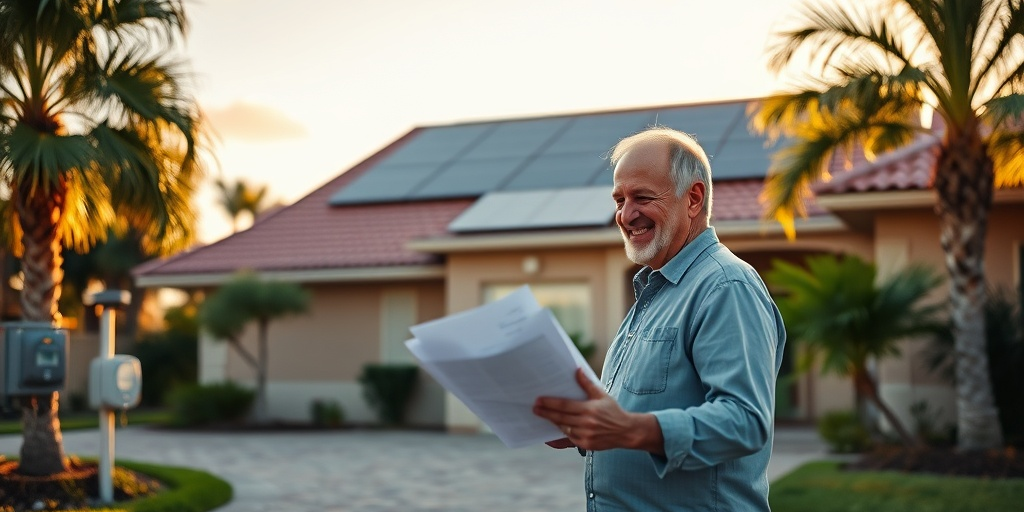
Imagine making a life-changing decision that could save you thousands of dollars, only to find out you’ve been duped—this nightmare scenario is becoming increasingly common for homeowners in Florida who are looking to embrace solar energy. Did you know that as many as 80% of Americans have heard horror stories about solar scams? In fact, solar-related scams have been reported as one of the top complaints to the Federal Trade Commission (FTC) (SolarReviews.com). As Florida homeowners prepare to invest in solar energy systems in 2025, it’s crucial to arm yourself with knowledge and vigilance. Today, we will explore the urgent topic, “Don’t Ignore This Warning About Solar Scams to Avoid,” so you can protect yourself from costly mistakes in solar panel installation and ensure your investment is secure.
Whether you’re a curious homeowner contemplating a switch to solar power or a seasoned commercial property owner looking to maximize energy efficiency, this topic is of the utmost importance. According to the Solar Energy Industries Association (SEIA), Florida is poised to reach over 18 gigawatts of installed solar capacity by 2025, enhancing the appeal of solar solutions for residents and businesses alike (SEIA.org). This surge also attracts its fair share of scammers who prey on unsuspecting victims eager to go green.
With rising energy costs, evolving solar incentives, and grid instability facing Florida in 2025, understanding the principles of solar power—especially the risks and red flags—is essential to making informed decisions. Over the next sections, we will cover a variety of crucial topics that will empower you to navigate this landscape safely:
-
Understanding Solar Scams Through Real Stories
-
A Solar Buying Checklist: Your Protection Plan
-
Myths Unveiled: Overcoming Misconceptions About Solar
-
Solar Energy in Florida: The Good, the Bad, and the Ugly
-
Technical Insights: How to Avoid Common Pitfalls
As we delve further into each of these sections, remember that knowledge is your greatest ally in securing your solar investment. Let’s dive in.
Understanding Solar Scams Through Real Stories
Throughout the state of Florida, many homeowners have fallen victim to solar scams, often stemming from high-pressure sales tactics or misleading information about products and installation processes. Take, for example, the story of Tom and Lisa from Orlando. Eager to lower their energy bills during the scorching Florida summers, they agreed to install solar panels after a local salesman promised them astonishing savings. The promise? Zero-dollar upfront costs, guaranteed savings, and tax credits that would almost completely cover their investment. However, mere months after installation, they began receiving bills higher than before. After a litany of complaints, it was discovered that the sales representative had misrepresented the warranty service and the true costs associated with their financing agreement.
This scenario highlights several warning signs and the key factors that Florida homeowners should be aware of to avoid such perilous journeys into the solar marketplace. Here’s a checklist that you can refer to when evaluating potential solar companies:
- Check for Licensing: Always ensure that your dealer has the proper licenses. In Florida, solar contractors must have a state license from the Department of Business and Professional Regulation.
- Read Reviews: Look at reputable review platforms for customer experiences. 95% of people trust online reviews just as much as personal recommendations (SolarReviews.com).
- Ask for References: A reliable company should provide references. Reach out to them to inquire about their complete experience.
- Understand Financing Options: It’s critical to fully understand any agreements, interest rates, and potential hidden fees associated with financing your solar system.
- Analyze Offers Closely: Get multiple quotes and don’t automatically go with the lowest offer—it could indicate shortcuts or lower-quality materials.
In an industry projected to grow exponentially, it’s essential to approach solar installation thoughtfully.
A Solar Buying Checklist: Your Protection Plan
The solar market in Florida is more accessible than ever, but this availability also increases the opportunities for scams. Having a solid checklist can serve as a powerful protection plan that empowers you to navigate the purchase process effectively and securely. Below is a list of vital steps to take as you embark on your solar journey in 2025:
- Step 1: Audit Your Energy Bill
Before committing to solar, thoroughly analyze your electricity bills over the past year. This information provides clarity on your energy consumption patterns and helps tailor your solar system to your needs. - Step 2: Research Reputable Solar Companies
Look for companies with solid accreditations and longtime presence in the market. The Better Business Bureau (BBB) is a great resource for this information. - Step 3: Ensure Comprehensive Warranties
A trustworthy company typically offers warranties for at least 25 years on solar panels and inverters. Make sure to grasp all warranty details outlined in your agreement. - Step 4: Seek Financial Transparency
Comprehensive contracts should clearly outline all costs associated with your solar system—from installation costs to maintenance to potential repairs. - Step 5: Monitor Installation Progress
Stay actively involved throughout your solar installation. Regular communication with your contractor ensures that the process is transparent and that you are aware of every stage.
Using this checklist, you can safeguard your investment from simmering pitfalls typical within the solar industry.
Myths Unveiled: Overcoming Misconceptions About Solar
With the growing interest in solar energy, numerous myths have emerged which can lead Florida homeowners astray. Let’s debunk some common misconceptions that could prevent you from investing in solar power correctly. Understanding the truth behind these myths can help you make informed decisions:
Myth #1: Solar Panels Are Too Expensive
While the initial investment might seem substantial, significant advancements in panel technology have dropped prices by approximately 70% in the last decade (SEIA.org). Many financing options also exist, minimizing upfront costs while maximizing long-term savings.
Myth #2: Solar Power Works Only in Sunny States
Although Florida is sun-drenched, solar panels actually generate energy on cloudy days. They rely on daylight—not direct sunlight—to operate with impressive efficiency.
Myth #3: Solar Energy Isn’t Worth It Due to Low ROI
In Florida, homeowners can save thousands over the lifespan of their solar systems, with options for Solar Renewable Energy Credits (SRECs) and federal tax incentives. On average, Florida homeowners see a return on investment within 5-7 years (SunshineSolar.com).
Myth #4: Solar Systems Require a Lot of Maintenance
While maintenance is essential, most solar systems are exceptionally low-maintenance. Regular checks and cleaning every few months can keep your panels performing optimally.
Myth #5: You Can’t Sell Your Home with Solar Panels
In fact, homes with solar energy systems can sell faster and at a premium price. The National Renewable Energy Laboratory stated that homes with solar systems may sell for about 4% more than non-solar homes (NREL.gov).
Understanding these myths is vital in forming a realistic perspective on investing in solar energy. By arming yourself with accurate information, you can ensure you’re capable of making informed, practical choices regarding your solar journey.
Solar Energy in Florida: The Good, the Bad, and the Ugly
Florida’s solar energy landscape is arguably one of the most promising in the nation. Still, it faces local issues that can complicate homeowners’ decisions. Let’s explore the advantages alongside the pitfalls so that you can make informed choices.
- Advantage #1: Abundant Sunshine
Florida boasts one of the sunniest climates in the nation, providing an enthusiastic energy source for solar systems. On average, Sunshine State residents receive over 260 sunny days yearly, making solar energy a compelling option. - Advantage #2: Increasing Incentives
Federal tax credits and local incentives make engaging with solar energy even more financially appealing. Notably, the federal solar tax credit can provide up to a 26% tax deduction on the installation costs. - Disadvantage #1: Rising Demand, Rising Risks
As the demand for solar technology increases, so do the number of contractors. Scammers may take advantage of this growing market, so vigilance is essential when choosing a company. - Disadvantage #2: PACE Financing Concerns
The Property Assessed Clean Energy (PACE) program may lead homeowners to face hefty assessments on their property taxes. Understanding the implications of such financing is crucial before proceeding. - Disadvantage #3: Local Regulations Vary
With numerous counties having different regulations regarding solar installations, navigating the approval process can be complex. Consult local authorities to ensure compliance.
The complexities of solar energy in Florida should not deter you but rather inform your decisions. Conduct thorough research to ensure that you achieve the maximum advantage from your investment.
Technical Insights: How to Avoid Common Pitfalls
Understanding the technical aspects of solar energy and installation procedures is critical. Here, we will analyze some common pitfalls that homeowners encounter—identifying and avoiding them will enable your journey into solar energy to be much smoother.
- Understand Your Energy Needs
Evaluate your household’s energy consumption. Knowing this will guide you in selecting the right panels and system size to suit your home. - Choose Reputable Equipment
Higher-quality panels tend to have better durability and efficiency over time. Research brands and warranty offerings to help you select wisely. - Installation Matters
Professional installation ensures that your system will operate at peak performance. Trust experienced technicians to optimize technology effectively. - Insurance Coverage
Review your home insurance policy to understand how solar systems are covered against damage. Not every policy includes solar systems, so ensure you are informed. - Stay Up-to-Date With Technologies
Solar technology and incentives continually evolve. Keep an eye on emerging trends to enhance your systems and protect your investment over time.
By integrating these technical insights into your decision-making process, you can further minimize risks and maximize the benefits of solar energy.
Next Steps for Florida Solar Buyers in 2025
Now that we’ve explored the vibrant world of solar energy and all the inherent pitfalls, it’s time to take action. Below is a checklist designed specifically for Florida homeowners eager to pursue solar solutions.
- Step 1: Conduct Research
Delve into solar options. Research various systems and technologies available that suit your preferences and needs. - Step 2: Create a Comparisons List
Collect multiple quotes and compare installation offers and system performance—don’t be afraid to ask probing questions. - Step 3: Schedule a Professional Consultation
Engage with a solar consultant to gain valuable insights and tailored recommendations that fit your unique scenario. - Step 4: Read All Agreements Thoroughly
Before signing, review all the terms and conditions to ensure that you fully understand what is covered and secured. - Step 5: Maintain Communication
Stay in close contact with your installer throughout the installation process. Effective communication creates transparency, reducing risks of misunderstandings.
Following this step-by-step plan ensures that your journey to solar energy is both informed and successful.
As we conclude this in-depth exploration of solar scams, it’s essential to take away the urgency of making informed decisions that impact your energy future. By understanding potential pitfalls and advocating for reliable practices, you’re empowering yourself to invest wisely in solar technology.
Solar power isn’t just an alternative; it’s a transformative investment that can lead to financial savings, energy independence, and eco-friendly living. The choices you make today will not only affect your pocketbook but the legacy you leave for your family.
Ready to start your solar journey in 2025? Connect with a certified expert at floridaelectricandsolar.com today.
Related Articles
More insights about Solar Scams

Warning: Don’t Overlook These Solar Scams to Avoid

Don’t Miss This Critical Alert About Solar Scams

Don’t Ignore These Critical Solar Scams to Avoid
Ready to Go Solar?
Have questions about solar energy? Our experts are here to help you make the switch to clean, renewable energy.