
Don’t Make This Critical Mistake with Solar Panel Installation
Share:
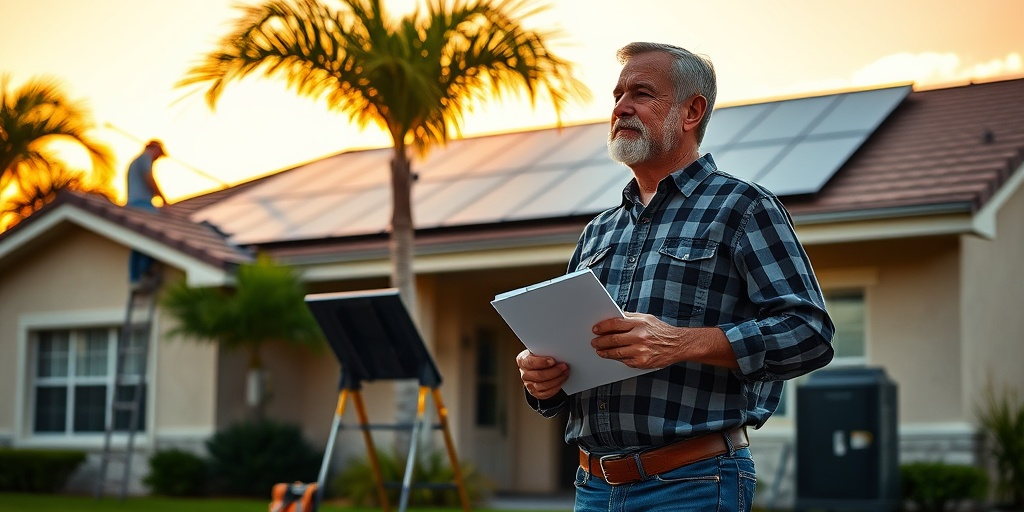
Imagine proudly walking into your home, knowing that you are generating your own electricity, lowering your carbon footprint, and reducing your family’s monthly expenses—all thanks to solar energy. In an era where energy prices are skyrocketing and climate concerns loom larger than ever before, installing solar panels can feel like an essential step towards a sustainable future. Yet, all it takes is one critical misstep in the installation process to turn your shining investment into a costly headache. This is the precise reason we must delve into the subject of our article today: “Don’t Make This Critical Mistake with Solar Panel Installation.” Did you know that in Florida, the average electric bill for residential customers is about $130 per month, making it one of the highest in the nation? (Energy.gov) Additionally, Florida offers some of the best incentives for solar power adoption, with a 26% federal tax credit available for installations completed by 2025, and state programs that help homeowners save even more (SEIA.org). Planning properly in 2025 has never been more urgent, especially with grid instability and rising energy costs affecting every household. In this extensive guide, we will explore five key sections that will arm you with the knowledge you need to make an informed decision about solar energy. We’ll discuss the dangers of hasty installations, provide actionable checklists, dispel common myths, outline best practices from local experts, and finally, present a step-by-step action plan for your solar adventure.
Why Rushing Solar Installation Can Lead to Costly Mistakes
When it comes to solar panel installation, haste can be your worst enemy. Let’s start with a case study of a homeowner in Tampa, Florida, who rushed through their solar panel installation. Mark and Lisa had decided to slice their rising electric bills. They were excited about the potential savings and quickly signed a contract with the first solar provider they found. Unfortunately, they didn’t take the time to research the installer thoroughly. Within a year, their system began malfunctioning because the installation had not been conducted with proper attention to their home’s specific needs. By then, Mark and Lisa had squandered the savings they were hoping to enjoy, spending thousands of dollars on repairs and lost efficiency. This situation illustrates a critical truth: without careful planning, a solar panel installation can become a financial burden rather than a saving grace.
As a homeowner, you may have a checklist in mind for what you need to consider before making your solar panels choice. Here’s a brief checklist to ensure that you don’t fall into the same trap Mark and Lisa did:
- Evaluate Potential Installers: Research various solar companies in your area. Look at their reviews, ratings, and how long they have been in business.
- Understand Your Roof: Do you have an ideal roof for solar efficiency? Make sure your panels can receive as much sunlight as possible throughout the year.
- Know Your Energy Needs: Before anything else, have a complete understanding of your energy consumption and how much solar energy you will need.
- Get Multiple Quotes: Don’t just accept the first offer. Obtain at least three quotes for comparison, analyzing not just the prices but the warranty and service packages offered.
- Check Licensing and Insurance: Ensure that your selected installers possess the necessary licenses and certifications and have adequate insurance to protect you from potential liabilities.
It’s crucial to remember that while solar power is a beneficial long-term investment, skipping steps in the installation phase can lead to unforeseen challenges.
Now, let’s debunk some widespread misconceptions surrounding solar energy for Florida homeowners. Myth #1: “All solar panels are created equal.” In reality, efficiency varies significantly across different manufacturers. High-efficiency panels can generate more energy during Florida’s sunny days, maximizing your savings. Myth #2: “Solar energy isn’t worth it in rainy weather.” This is misleading; even on cloudy days, solar panels can still produce a substantial amount of energy, benefiting from diffuse sunlight. Lastly, Myth #3: “Once installed, I don’t have to worry about solar energy.” In truth, regular maintenance and monitoring can keep your system efficient and profitable over time.
Moving forward, it’s important to recognize how each aspect of your solar installation interacts with local Florida conditions. For instance, did you know that Florida’s Solar Energy Appropriations Law supports homeowners and businesses who invest in solar energy? This law further facilitates solar energy engagement among residents, making it easier to access funds and incentives designed to support solar initiatives. Additionally, public perception plays a critical part; according to recent surveys, 78% of Floridians support solar development in their communities (SolarReviews.com). These factors combined create a unique opportunity for residents to invest in solar energy wisely.
Lastly, let’s touch briefly on some technical considerations when planning a solar installation. Are you informed about how inverters work? An inverter converts the solar energy collected by your panels into usable electricity for your home or business. If it’s not properly matched to your system’s output, you could face efficiency losses. Additionally, another technical aspect to consider is your energy usage patterns. Are you planning to install battery storage? Analyzing your energy needs and patterns is vital to ensuring that when the sun isn’t shining, you have sustainable power at your fingertips.
When it comes down to it, taking the time to dive deep into the critical aspects of solar panel installation will pay off in the long run, saving you money and grief down the line. Next, we’ll explore the best practices you should adopt for your solar installation in 2025.
Five Expert Solar Installation Tips for 2025
The key to a successful solar installation is preparation and research. As the solar landscape evolves, particularly in Florida, it’s vital to incorporate expert advice to navigate your solar journey. Below are five essential expert tips that can significantly alter the outcome of your solar energy project.
- Don’t Skimp on Quality Panels: Invest in high-efficiency solar panels that can withstand Florida’s weather conditions. Brands known for reliability and warranties will outperform cheaper options in the long run. Always check the panel’s degradation rate, usually specified as a percentage over time.
- Consider Battery Storage: As energy demands rise, having battery storage can be a game-changer. Depending on your needs, systems like Tesla Powerwall can provide substantial savings and energy independence during blackouts.
- Pay Attention to Tree Shade: It might seem obvious, but evaluating nearby trees and buildings is crucial. Even a bit of shade on your panel can significantly reduce efficiency, so consider trimming those trees or shifting panel placements as necessary.
- Incorporate Smart Technology: Consider smart systems that allow you to monitor your energy use, manage loads, or automate energy conservation. By optimizing energy use, you’ll cut costs and maximize efficiency.
- Stay Informed About Incentives: Don’t miss out on tax credits and local financial incentives available for solar installations. Keep abreast of state and federal policies—note that the federal tax credit is set to reduce after 2025!
With these expert tips in mind, your solar journey is likely to be much smoother, amplifying energy efficiency and financial benefits.
Your Solar Journey: A Fictional Homeowner’s Path to Solar Success
Let’s take a deeper dive into a realistic story featuring fictional Florida homeowners, James and Emily, as they navigate their decision to install solar panels.
When James and Emily first considered solar energy, they were initially overwhelmed. The couple had heard about solar savings through friends and neighbors and wanted to cut their electric bills while contributing to a cleaner environment. However, like many, they didn’t know where to start. After a few misguided conversations and a hasty decision to pick an installer based on price alone, they soon discovered that solid research was essential.
After some anxiety-induced sleepless nights, they decided to take a different approach. They dove into online research, spent weekends attending community solar seminars, and even visited local solar fairs to get hands-on insights. They learned crucial information that transformed their approach:
- Not all solar panels offer the same warranty; some even last as long as 25 years!
- Understanding their energy consumption patterns was fundamental; they gathered six months of electric bills and created a projection of their energy needs.
- They understood the importance of alignment and tilt based on their roof; what worked for their neighbor did not necessarily fit their house.
- The financing options varied widely; they laid out a budget that factored in potential incentives like the federal tax credits—a real game changer.
This new perspective armed James and Emily with confidence, allowing them to feel secure in their decision-making process. Finally, they obtained multiple quotes, selecting a reputable installer with glowing recommendations and a solid history in the area.
Once finalized, their installation became somewhat of a neighborhood event. Friends and family chattered about their decision, modeling changes in their own homes—essentially creating a ripple effect of solar enthusiasm. James and Emily now enjoy the satisfaction of reduced bills while contributing to a sustainable future. As they tell their story, they inspire others to consider solar energy too—an example of why proper planning, research, and selective decision-making are crucial in your solar journey.
Next Steps for Florida Solar Buyers in 2025
The journey towards solar energy is rich with opportunities, but knowing exactly how to navigate it can mitigate risks and amplify savings. Here’s a concise action plan to streamline your journey as a Florida homeowner interested in solar power in 2025.
- Step 1: Audit Your Electric Bill: Begin by understanding your current energy costs to get a baseline on potential savings through solar.
- Step 2: Research Your Options: Search for several reputable solar installation companies that operate in Florida. For comprehensive reviews, check platforms like floridaelectricandsolar.com to read testimonials.
- Step 3: Assess Your Home: Analyze your roof’s condition and angle; are you looking at a potential upgrade? Consider how shade can affect your panels and budget for any necessary adjustments.
- Step 4: Obtain and Compare Quotes: Once you’ve narrowed it down, obtain bids and compare each for overall cost, warranty, and service agreements.
- Step 5: Finalize Financing: Speak to financial advisors familiar with solar so that you can maximize available tax incentives, potential savings, and financing opportunities to make your investment more affordable.
By adopting these steps thoughtfully, you can safeguard your investment and ensure that your home, finances, and environmental responsibilities align harmoniously.
In conclusion, navigating your solar installation process doesn’t need to be daunting. Through careful planning, research, and the right partnerships, you can protect your investment and minimize the chances of costly mistakes. Remember, “Don’t Make This Critical Mistake with Solar Panel Installation”—take every necessary step to inform and prepare yourself. This decision genuinely matters, not just for your monthly bills but also for the environment and future generations. As you contemplate your move towards solar energy, remember that you’re not just investing in technology; you’re investing in a sustainable legacy.
Ready to start your solar journey in 2025? Connect with a certified expert at floridaelectricandsolar.com today.
Related Articles
More insights about Solar Panel

Florida Homeowners: Why Solar Panel Maintenance Is Essential

7 Essential Steps for Solar Panel Installation Success

Expert Insights: Key Factors Influencing Solar Panel Lifespan
Ready to Go Solar?
Have questions about solar energy? Our experts are here to help you make the switch to clean, renewable energy.