
Don’t Miss This Critical Alert About Solar Panel Scams
Share:
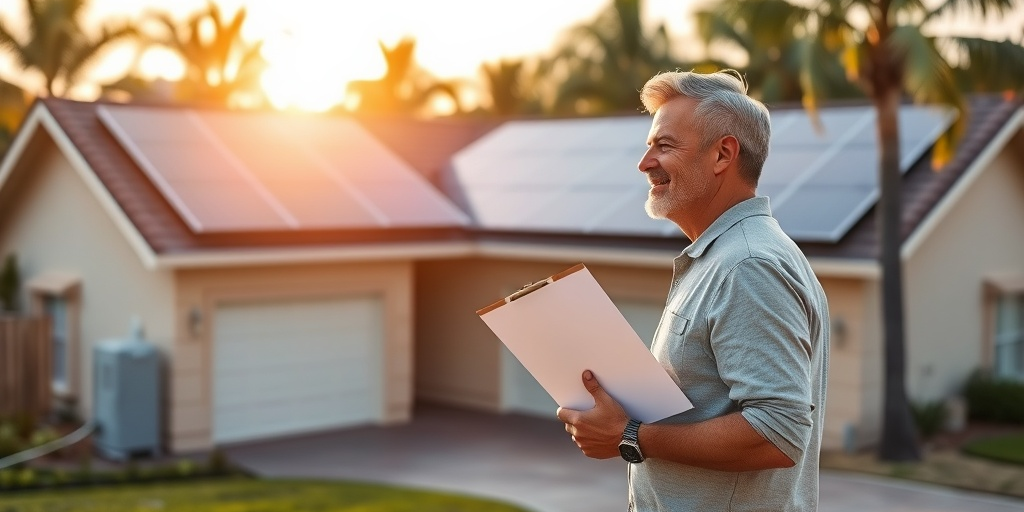
In the sun-drenched state of Florida, an inspiring 92% of residents agree that solar energy is a critical part of our energy future (SolarReviews.com). Yet, beneath this bright surface lies a troubling reality: a surge in solar panel scams is threatening homeowners and commercial property owners alike. Think about it—would you trust just anyone to manage the installation of a system designed to save you thousands of dollars? As 2025 approaches and new solar incentives loom, it is more crucial than ever to be aware of these deceitful practices. This is why it’s time to read up on “Don’t Miss This Critical Alert About Solar Panel Scams.” As Florida becomes an increasingly attractive market for solar energy—with installations expected to climb by 25% year-on-year (SEIA.org)—you simply cannot afford to be uninformed. In this blog, we will unveil the vulnerabilities in the solar market, provide a roadmap to protect yourself, and share the best practices for ensuring a successful solar investment.
We’re about to embark on a thorough exploration of solar panel scams, illuminating five essential sections that will arm you with knowledge for this urgent topic in 2025:
- An in-depth case study revealing the real-life implications of falling victim to solar scams
- A meticulous checklist detailing steps to avoid deception
- A myth-busting section debunking common misconceptions around solar energy
- A look at Florida-specific statistics and policies that shape the solar landscape
- A technical deep-dive into the nuts and bolts of solar systems and billing to keep you informed
So, buckle up. Your journey to becoming a smart solar buyer starts now.
Understanding the Dark Side of Solar: A Case Study
Picture this: Jane, a Florida homeowner, was thrilled about going solar. The electric bills were crippling her budget, and she was ready to embrace clean energy. Following a few quick conversations, she signed a contract with a solar company she found online, lured in by promises of zero upfront costs and guaranteed savings. As the months rolled on, however, Jane quickly realized she was not alone in her plight: she had unwittingly fallen victim to a solar scam. The panels were poorly installed, and her bills didn’t drop as promised. Instead, they soared with unexpected fees.
This tale underscores the critical nature of understanding the risks associated with solar energy installation in Florida, particularly as an estimated 1 in 3 Florida residents is unaware of current scams plaguing the market (SolarReviews.com). Here’s a checklist to help you stay informed:
- Research Before You Sign: Always verify company credentials and customer reviews. Scams thrive on secrecy.
- Get Multiple Quotes: Don’t settle for the first offer. Compare proposals to ensure you’re getting a fair deal.
- Beware of Pressure Tactics: Legitimate companies won’t push you into signing contracts on the spot.
- Understand Financing Options: Know your financing options; avoid agreements that seem too good to be true.
- Read the Fine Print: Contracts should be clear and transparent. Look for hidden costs.
Ironically, some myths about solar power only exacerbate these scams. Let’s bust some of them.
Myth-Busting: The Truth Behind Solar Misconceptions
Myth #1: Solar is too expensive. Reality: While initial costs can be a barrier, tax incentives and financing options have made solar power accessible for many Floridians. For instance, the Federal Solar Tax Credit allows homeowners to deduct 26% of the installation costs from their federal taxes (Energy.gov).
Myth #2: All solar companies are the same. Reality: Quality and service can vary significantly. Thoroughly research and vet companies to find the best fit for your needs.
Myth #3: If I lease solar panels, I won’t have to worry about installation or maintenance. Reality: Though leasing seems convenient, it often means losing control over your solar energy savings. Ownership can lead to greater long-term financial benefits.
Myth #4: Solar panels don’t work on cloudy days. Reality: Solar panels can still generate a significant amount of electricity in reduced sunlight. Florida’s climate ensures plenty of sunlight, even during cloudy weather.
Myth #5: Solar is only beneficial for environmentalists. Reality: Millions of homeowners, regardless of political beliefs, are realizing the financial benefits of solar energy—an essential consideration as energy bills continue to rise.
Understanding these myths can protect you from scams that capitalize on misinformation. As a Florida homeowner, knowing your state’s solar incentives can vastly change your energy landscape.
Florida-Specific Statistics and Policies Shaping the Solar Landscape
In Florida, solar energy is more than just an alternative; it’s become a robust industry faced with both opportunities and challenges. For example, the state ranked third in the nation for solar energy capacity installed, with a 69% increase between 2019 and 2020 alone (SEIA.org). This trend brings us face-to-face with the urgent necessity for vigilance against scams. The Florida Solar Energy Industries Association reports that 86% of Floridians support solar power (FlaSEIA.org), showing a collective desire for energy independence. However, the excitement surrounding this expansion gives rise to opportunistic scammers looking to exploit unwitting consumers.
To help safeguard against deceitful practices, familiarize yourself with Florida’s solar policies:
- Net Metering Policy: By allowing solar energy system owners to receive credits for electricity sent back to the grid, this policy encourages homeowners to embrace solar.
- Property Tax Exemption: Florida homeowners enjoy exemptions from property taxes on solar energy systems, incentivizing sustainable energy solutions without financial penalties.
- Sales Tax Incentives: Solar panel purchases are exempt from sales tax, making the switch to solar even more appealing.
Being familiar with these policies can not only empower you as a buyer but can also reduce the chances of falling victim to scams trying to sidestep these benefits. Now, let’s explore how the technology behind solar systems can further strengthen your resolve.
A Technical Deep-Dive: Understanding Your Solar System
To appreciate your potential return on investment and ensure proper installation, you must understand how solar systems operate. At the core of every solar setup are key components: solar panels, inverters, and battery storage systems. Here’s what you need to know about each:
- Solar Panels: These convert sunlight into electricity. Quality matters! Choose panels with good efficiency ratings and warranties.
- Inverters: They convert the direct current (DC) electricity produced by solar panels into alternating current (AC), which your household appliances use. Opt for reliable brands with a proven track record.
- Battery Storage: Battery systems allow homeowners to store excess energy produced during the day for use at night or during outages, enhancing energy independence.
In understanding these technical aspects, you gain more than just knowledge—you gain power. Now that you have insight into avoiding scams and ensuring good practices, it’s time to formulate a plan.
Next Steps for Florida Solar Buyers in 2025
One of the best defenses you can deploy against scams is a proactive approach to your solar investment. Here’s how to make this transition seamless:
- Step 1: Audit Your Electric Bill. Review your current electricity usage and costs. This will help you gauge the potential savings from solar.
- Step 2: Research Solar Companies. Look for reputable companies with extensive customer feedback, certifications, and established experience in Florida.
- Step 3: Schedule Consultations. Reach out to multiple solar companies for consultations, asking questions to clarify any uncertainties.
- Step 4: Understand Financing Options. Be aware of leasing versus buying, as well as available tax incentives that could benefit your financial position.
- Step 5: Review Contracts Closely. Before signing, read all terms carefully. Ensure clarity around costs, warranties, and installation timelines.
Taking these steps will not only protect you but also empower you as a solar buyer. Resources like floridaelectricandsolar.com can help guide you through the process, ensuring your transition to solar benefits your energy independence.
Conclusion: The Urgency of Informed Solar Decisions
As we approach 2025, the urgency surrounding making informed decisions about solar investments has never been greater. The potential rewards of adopting solar power can yield tremendous savings and contribute to a sustainable future for Florida homeowners. Yet, with the rising tide of scams lurking behind your corner, knowledge is your greatest ally. You’ve explored a harrowing case study, identified myths that could misguide you, and examined the intricate technical details that contribute to the integrity of solar systems.
The risks of falling victim to scams, given Florida’s growing interest in solar, are high. The more you know, the better equipped you’ll be to protect yourself and your investment. This journey towards empowerment and energy independence doesn’t just happen; it requires diligence, research, and community support.
Ready to start your solar journey in 2025? Connect with a certified expert at floridaelectricandsolar.com today.
Related Articles
More insights about Solar Panel

Florida Homeowners: Why Solar Panel Maintenance Is Essential

7 Essential Steps for Solar Panel Installation Success

Expert Insights: Key Factors Influencing Solar Panel Lifespan
Ready to Go Solar?
Have questions about solar energy? Our experts are here to help you make the switch to clean, renewable energy.