
Don’t Miss These Critical Solar Panel Installation Risks
Share:
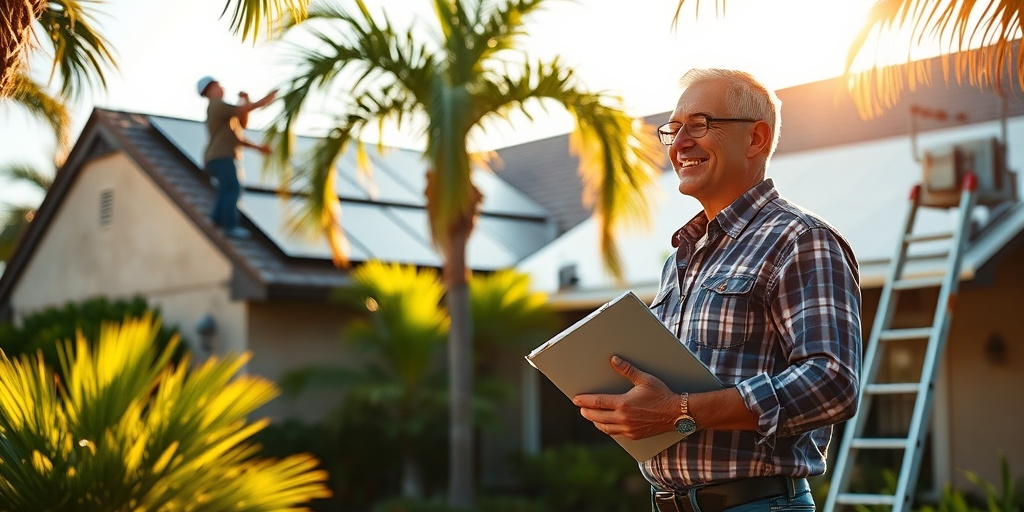
Don’t Miss These Critical Solar Panel Installation Risks. If you’re considering solar power for your home or business in Florida in 2025, you’re not alone. In recent years, solar energy has become a viable and environmentally-friendly option for many homeowners, with the Solar Energy Industries Association noting that there are over 17 million residential solar installations across the U.S. (SEIA.org). Yet, while solar panels can lead to substantial savings—up to $30,000 over 20 years—there are equally important risks associated with their installation that cannot be overlooked (SolarReviews.com). In a state that experiences over 237 sunny days a year and incentivized programs to promote solar adoption, understanding these risks is critical to ensuring a safe and successful renewable energy investment.
As energy costs continue to fluctuate and the grid grows more unstable, the urgency to adopt solar solutions has never been more pressing. With new incentives rolling out in 2025, Florida homeowners have a unique opportunity to harness solar power. However, failing to identify and mitigate the risks associated with installation could derail your dreams of energy independence. In this blog, we will explore the following sections:
- Understanding the Risks: What Can Go Wrong?
- Your Essential Installation Checklist.
- Myth-Busting Common Misconceptions.
- Florida-Specific Concerns for Solar Buyers.
- A Technical Deep-Dive: The Ins and Outs of Solar Systems.
Understanding the Risks: What Can Go Wrong?
The road to solar energy is not without its bumps and potholes. Take Anna, a homeowner from Orlando, who thought she was making a wise investment when she signed a contract for solar installation. Excited about the prospect of reducing her utility bills, Anna didn’t consider some critical risks. The contractor she chose had numerous complaints against them, a fact she later discovered when it was too late. As a result, she faced not only installation delays but also a significantly flawed system that failed to meet her energy expectations. Her dream of solar energy became a source of stress and expense instead.
This scenario isn’t unique. With over 90% of solar installers reporting that complications arise during the installation process, diligence is key (SEIA.org). Here are some essential steps to secure a successful and risk-free solar experience:
- Research Your Installer Thoroughly: Investigate the contractor’s background, reviews, and accreditation.
- Ensure Compliance with State Regulations: Confirm that the installation meets Florida’s regulatory standards.
- Understand the Warranty Terms: Insist on clear warranty terms to protect your investment.
- Have a Clear Communication Plan: Set expectations for contact and updates during the installation.
- Get a Detailed Project Timeline: Know the timeline for installation to avoid unexpected disruptions.
Many homeowners mistakenly believe that all solar companies offer identical services, which is far from the truth. A thorough vetting process can save you time, money, and heartache in the long run. Florida’s significant solar growth—over 15% increase reported in 2022—has led to an influx of contractors, some of whom may have questionable practices (SEIA.org). Moreover, many homeowners assume that installation is a one-time event and neglect to prepare for the systems’ long-term care. This could lead to additional costs if maintenance needs develop unexpectedly. Understanding your responsibilities as the homeowner is crucial for a smooth transition to solar energy.
Furthermore, let’s debunk a few myths about solar panel installation. Many believe that installation requires little engagement on their part, but this could not be further from the truth. Engaging actively with your contractors and maintaining a vigilant eye can prevent future troubles.
Your Essential Installation Checklist
No homeowner should begin their solar energy journey without a solid plan. Think of this checklist as your roadmap to successful solar panel installation. Here are your essential steps:
- Step 1: Audit Your Current Electric Bill: Before you even think about going solar, it’s essential to know how much electricity you use, which will aid in properly sizing your system.
- Step 2: Define Your Energy Goals: Understand whether you’re looking to cover 100% of your energy needs or just a portion to save costs.
- Step 3: Gather Multiple Quotes: Always get multiple bids from different contractors to ensure competitive pricing and services.
- Step 4: Verify Licenses and Insurance: Don’t skip this step. Confirm that your chosen contractor is responsible and certified.
- Step 5: Understand Financing Options: Explore tax credits, incentives, and loan options that could reduce your initial investment significantly.
Your meticulous approach to this checklist will not only save you money in the long run but will also protect you from potential pitfalls. While Florida homeowners can save substantially with federal and state incentives, understanding the fine print is essential. With the 26% federal tax credit set to reduce in the upcoming years, ensuring your installation is completed by the end of 2025 will ensure you maximize these benefits.
Myth-Busting Common Misconceptions
When it comes to solar power, misinformation can lead even the most conscientious homeowner astray. Here are some common myths debunked:
- Myth #1: Solar Panels Only Work in Sunny Weather. In reality, solar panels are still effective on cloudy days—up to 20% of their capacity—meaning Florida’s weather is ideal year-round.
- Myth #2: Solar Systems Are Too Expensive. Many homeowners underestimate the long-term savings. While initial costs can be high, utility bills drop significantly with solar energy, often yielding over $30,000 in savings over two decades (SolarReviews.com).
- Myth #3: Any Installer Can Do the Job. This is a dangerous misconception. Hiring an unqualified installer can lead to disastrous results, including system failure and safety risks.
- Myth #4: Solar Energy Is Only for the Wealthy. With financing options and tax incentives, solar energy is now accessible to a broader segment of homeowners.
- Myth #5: Once Installed, Solar Panels Require No Maintenance. Regular upkeep is necessary to ensure panels continue to perform at peak efficiency, including periodic cleaning and inspection.
Having clear, factual information ensures that you can make informed decisions. As solar energy gains popularity, so too do the myths surrounding it. In Florida, where solar energy consumption continues to rise, remaining informed is vital to your success.
Florida-Specific Concerns for Solar Buyers
Solar adoption is booming in Florida, but it’s crucial to navigate this market wisely. One unique concern for Florida homeowners is the impact of hurricanes. The state is prone to severe weather, and the structural integrity of your roof can significantly influence solar installation. It’s essential that your contractor assesses your roof’s condition and reinforces it if necessary. Solar panels must also meet specific wind-load requirements and regulations to ensure compliance with local codes.
- Understand Local Laws and Permitting Processes: Each county in Florida may have different ordinances regarding solar installations, making it critical to ensure compliance with local laws.
- Consider the Environmental Impact: Florida’s beautiful ecosystems are worth preserving. Opt for installation methods that minimize environmental disruption.
- Explore Incentives Available for Florida Residents: Specific local programs may exist to further reduce installation costs.
Florida ranks third in the nation for installed solar capacity, indicating a discerning market that values sustainability. As you contemplate your transition to solar energy in 2025, remember that staying informed about state-specific regulations will lead to a smoother process.
A Technical Deep-Dive: The Ins and Outs of Solar Systems
Understanding the technical aspects of solar power systems is vital for homeowners. A typical solar system consists of solar panels, an inverter, batteries, and a monitoring system. Each of these components plays a pivotal role in the efficacy and efficiency of your solar setup.
- Solar Panels: These are the heart of your system. Options vary, including monocrystalline, polycrystalline, and thin-film panels.
- Inverters: Converting direct current (DC) generated by the panels to alternate current (AC) used in homes is critical. Choosing the right type, whether string inverters or microinverters, can impact performance.
- Batteries: Energy storage systems can provide backup power during outages and maximize your solar savings by storing excess energy produced during daylight hours.
- Monitoring Systems: Monitoring allows you to track your system’s performance and identify issues early on to protect your investment.
The Florida solar industry is poised for growth as public policies evolve, and incentives continue to optimize the financial feasibility of solar. Recent legislation has encouraged more homeowners to invest, aiming to protect the environment while decreasing reliance on traditional energy sources. Educational resources, such as those found at floridaelectricandsolar.com, provide additional guidance on navigating your options.
Next Steps for Florida Solar Buyers in 2025
As you near decision time for your solar installation, consider this action plan to minimize your risks and maximize your rewards:
- Assess Your Home’s Suitability: Ensure your roof is in good condition and can support a solar installation.
- Get Multiple Quotes and Consultations: Use your checklist to gather comprehensive quotes, understanding the details of each proposal.
- Negotiate and Clarify Terms: Be proactive in negotiating, especially concerning warranties and prices.
- Review and Understand Contracts: Don’t rush through the paperwork; take the time to read each contract thoroughly to sidestep hidden costs.
- Schedule Regular Maintenance: Plan for the long-term by scheduling regular inspections and cleaning of your system to ensure optimal performance.
Taking these steps will empower you to confidently navigate your solar journey. By auditing your electric bill, understanding your energy goals, and recognizing what to look for in an installer, you can ensure a smooth and productive transition to solar. This moment is essential; with the potential changes in policy and market conditions, 2025 is the year to capitalize on solar energy.
In conclusion, transitioning to solar energy is a remarkable opportunity that comes with its fair share of risks and rewards. Remember, as highlighted in this article, the critical risks of the installation process, the importance of preparation through checklists, and the need to debunk myths surrounding solar energy. For Florida homeowners, this journey can lead to massive savings and a greener future, but it requires informed decisions and an understanding of local conditions. The solar revolution is here, and it beckons you to take action.
Ready to start your solar journey in 2025? Connect with a certified expert at floridaelectricandsolar.com today.
Related Articles
More insights about Solar Panel

Florida Homeowners: Why Solar Panel Maintenance Is Essential

7 Essential Steps for Solar Panel Installation Success

Expert Insights: Key Factors Influencing Solar Panel Lifespan
Ready to Go Solar?
Have questions about solar energy? Our experts are here to help you make the switch to clean, renewable energy.