
Don’t Miss This: Critical Solar Panel Installation Scams to Avoid
Share:
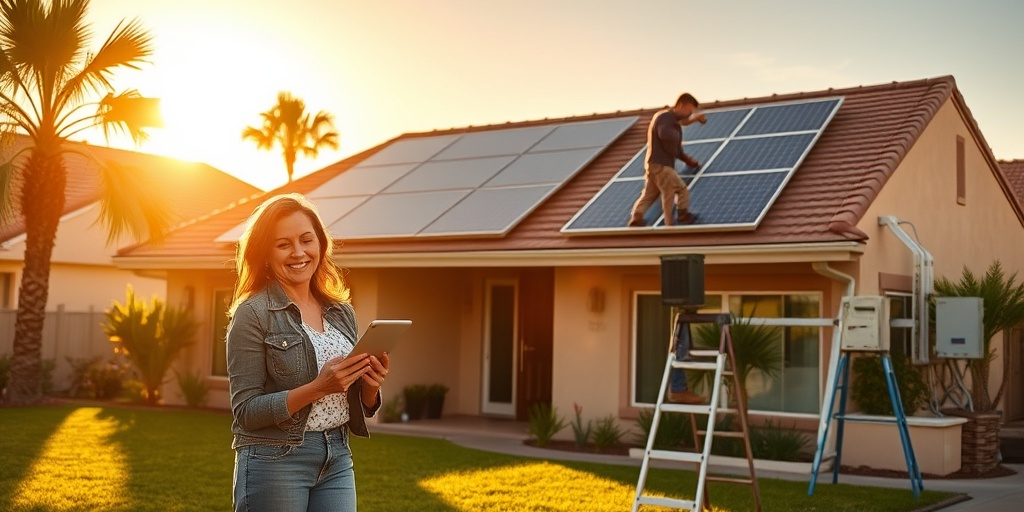
In a world increasingly driven by costly energy bills and climate concerns, the switch to solar energy has never been more alluring. Florida homeowners and commercial property owners alike are eyeing the sun’s potential to reduce costs and enhance sustainability. However, with the rise in interest in solar power, the market is teeming with pitfalls, particularly scams aimed at unsuspecting consumers looking to install solar panels. According to the Solar Energy Industries Association (SEIA), solar energy installations in Florida have surged by over 20% in the last year alone. Yet, with increased demand comes an uptick in shady practices targeting hopeful solar buyers. In this critical guide, titled Don’t Miss This: Critical Solar Panel Installation Scams to Avoid, we will delve into the darker side of the solar industry, equipping you with essential tips to safeguard your investment. This topic is urgent as we approach 2025—a year when substantial solar incentives may fade and energy costs could rise due to ongoing grid instability. Over the next few sections, we’ll explore common scams, actionable protective steps, widespread misconceptions, Florida-specific insights, and the technicalities that can make or break your solar experience.
Understanding the Solar Landscape: Common Installation Scams
As the solar energy market expands in Florida, scams are becoming increasingly sophisticated. Many unsuspecting homeowners have fallen victim to deceptive contractors who promise low prices but deliver subpar equipment and installations. For instance, in 2022, the Better Business Bureau reported that solar installation complaints surged by over 40%, indicating a clear need for awareness and vigilance when navigating this growing market.
Imagine the journey of a homeowner named Lisa, who resides in Tampa Bay. Excited to capitalize on Florida’s sunshine, she started researching solar panel installation. A seemingly reputable company advertised an extensive package at a deeply discounted price. Lured by the promise of significant savings, Lisa signed a contract without due diligence. Months later, she discovered that the panels installed were generic and lacked a proper warranty. Her savings turned into a nightmare as her electric bills remained high and the company became unresponsive.
Checklist: How to Protect Yourself from Solar Installation Scams
To ensure you don’t become a victim, follow this comprehensive checklist:
- Step 1: Research the Installer – Check for licenses, reviews, and ratings from credible sources like the Better Business Bureau.
- Step 2: Get Multiple Quotes – Don’t settle for the first offer; obtain at least three quotes from different contractors to compare pricing and services.
- Step 3: Understand the Contract – Carefully read through every detail, including warranties, costs, and cancellation policies.
- Step 4: Avoid Upfront Payments – Be cautious of installers requesting significant upfront payments before any work begins.
- Step 5: Verify Equipment Quality – Research the brands and models of the solar panels and inverters being offered; reputable brands typically come with extended warranties.
Following these steps will help you navigate the solar waters with confidence. In Florida, where local regulations vary, ensuring compliance with state laws is critical (Florida Department of Revenue).
Debunking Myths: Solar Installation Misunderstandings
In the solar space, misinformation can lead to poor decisions. Here are some critical myths to dispel:
- Myth #1: Solar panels will not work in cloudy weather. This is false; solar panels can still generate significant energy even on overcast days.
- Myth #2: All solar panels are the same. In reality, panel quality and efficiency can vary greatly, impacting your energy savings.
- Myth #3: Installing solar panels is too expensive. With various incentives available and financing options, the upfront costs can be mitigated significantly.
- Myth #4: Solar energy is only for affluent homeowners. This perception is misleading as many financing options cater to diverse economic backgrounds.
- Myth #5: Once installed, you won’t need maintenance. Regular maintenance is essential to ensure optimal performance and longevity.
By addressing these myths, you can make informed decisions that benefit your home and finances. Knowledge is power in this rapidly evolving market.
Florida-Specific Insights: Navigating the Local Solar Market
As a Florida homeowner, understanding the local market dynamics can significantly impact your solar journey. The Sunshine State aims to double its solar generation capacity over the next decade, creating a competitive landscape filled with potential scams targeting less-informed consumers (U.S. Energy Information Administration). Factors that make Florida unique include:
- Strong State Incentives: Florida offers various rebate programs and tax benefits for solar installations, but these can vary by municipality.
- Local Permitting Processes: Depending on your location, the permitting process can be complex; familiarize yourself with local regulations.
- Consumer Protections: Understand the specific consumer protection laws in Florida regarding energy contracts and deceptive practices.
Partnering with a reputable solar provider that understands Florida regulations can help ensure a smoother transition and safeguard your investment. Furthermore, companies like floridaelectricandsolar.com provide resources to guide you through the intricacies of the Florida solar market.
Technical Deep-Dive: Understanding Solar Technology and Billing
Dive deep into the technicalities affecting solar panel performance and electricity billing to stay informed about what you’re investing in. Solar systems consist of several key components, including panels, inverters, and batteries. Understanding how they work together can prevent misunderstandings and scams:
- Solar Panels: These convert sunlight into electricity. Not all panels are created equal; efficiency ratings are crucial for long-term savings.
- Inverters: They convert the DC electricity produced by solar panels into AC electricity that can be used in your home. Quality inverters can significantly impact energy production.
- Batteries: If you’re considering adding a battery storage system, ensure you understand the options and their capacities, as they hold a significant cost.
Moreover, keeping an eye on your energy bills post-installation is essential. Many homeowners underestimate how their bills may change—particularly if installation payments or tax credits are not communicated clearly. Understanding net metering policies in Florida can help you optimize savings. Current net metering practices allow the excess energy generated by your solar system to be credited toward your future electricity bills, making it a vital aspect of solar energy economics.
Next Steps for Florida Solar Buyers in 2025
Now that you are armed with vital knowledge on detecting and avoiding solar scams, here’s a personalized action plan:
- Step 1: Conduct an energy audit of your home to determine your current consumption and potential savings from solar.
- Step 2: Verify local solar programs and incentives; many are unique to Florida and can significantly affect your decision.
- Step 3: Research and contact several reputable solar installers; request consultations and ask for in-depth proposals.
- Step 4: Review potential financing options thoroughly, including loans, leases, or purchase options to determine what fits your budget best.
- Step 5: Once you’re ready to commit, ensure you have all your documentation and contracts reviewed by a trusted advisor.
Completing each of these steps will significantly reduce friction in your solar transition. For additional resources and assistance, don’t hesitate to visit floridaelectricandsolar.com, where experts can guide you on your solar journey.
To reiterate, embarking on your solar adventure is not just about saving money; it’s about investing in your home and future. By leveraging our insights on scams, understanding the technicalities involved, and implementing a personal action plan, you stand poised to maximize your investment while minimizing risks. As we move closer to 2025, the importance of energy independence and sustainable practices will only grow. Take charge of your energy future; the sun is waiting to shine brightly on your home.
Ready to start your solar journey in 2025? Connect with a certified expert at floridaelectricandsolar.com today.
Related Articles
More insights about Solar Panel

Florida Homeowners: Why Solar Panel Maintenance Is Essential

7 Essential Steps for Solar Panel Installation Success

Expert Insights: Key Factors Influencing Solar Panel Lifespan
Ready to Go Solar?
Have questions about solar energy? Our experts are here to help you make the switch to clean, renewable energy.