
Don’t Miss These Warnings About Solar Panel Installation Risks
Share:
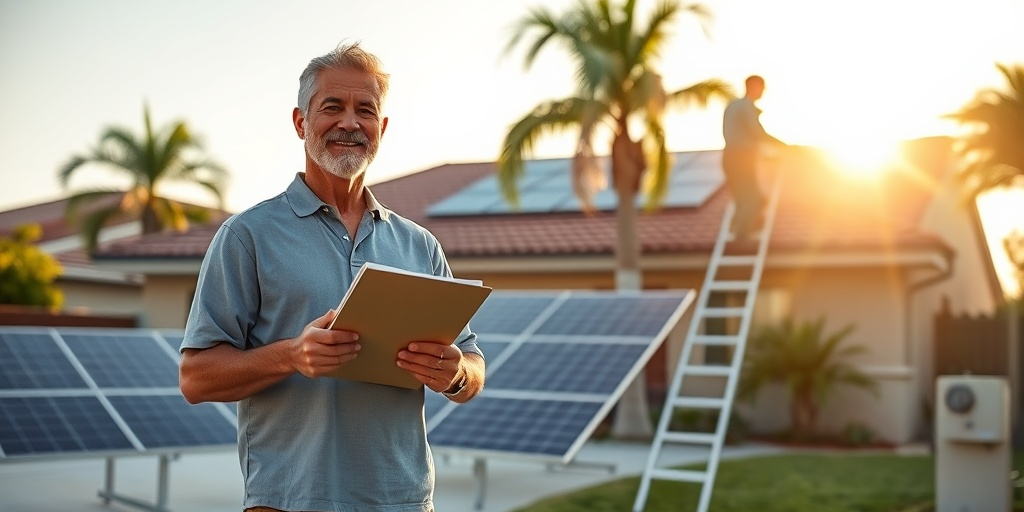
As we step into 2025, the solar energy landscape in Florida is evolving at a breathtaking pace. Did you know that Florida ranks #2 in the nation for solar power capacity? According to the Solar Energy Industries Association, our sunshine state saw over 6,470 MW of installed solar power as of last year (SEIA.org). The state is brimming with incentives and opportunities for homeowners interested in going solar. However, amidst the excitement lies a crucial warning that often goes unheard: Don’t Miss These Warnings About Solar Panel Installation Risks. Many Florida homeowners dive into solar without fully understanding the potential pitfalls, which can lead to financial and operational setbacks. With rising energy costs and a sweeping movement towards renewable energy, understanding these risks is more urgent than ever.
In this piece, we will address five essential sections that not only enlighten you about the risks involved in solar panel installation but also equip you with the knowledge you need to navigate them effectively. We will delve into a compelling case study, a detailed checklist to guide you through the process, a myth-busting section to clear up common misconceptions, a localized focus on Florida’s specific environment, and a technical deconstruction of solar technologies and policies relevant for 2025. It’s time to maximize your solar savings, but first, let’s ensure that you are well-informed about the decisions you’re making.
1. An In-Depth Look at the Risks of Solar Panel Installation
If you’re considering switching to solar energy, it’s crucial to be well-informed. Unfortunately, many homeowners become overwhelmed by the marketing hype and don’t pay attention to the inherent risks around solar panel installation. To illustrate these points, let’s take a look at a hypothetical Florida homeowner, Mary. “I thought I would save a fortune by installing solar panels,” she recalls. Five years into her journey, she was dealing with unexpected maintenance costs and equipment failures that added up to significant expenses. She wished she’d done her research beforehand—it could have saved her thousands. Her story isn’t an anomaly; it’s a cautionary tale.
- Case Study: Mary’s Experience – After a seemingly smooth installation, Mary quickly learned that improper installation can lead to issues such as roof leaks, electrical problems, and system inefficiencies. In Florida, where tropical storms are common, secure installation is crucial.
- Checklist for Choosing the Right Installer – Before moving forward, here’s a checklist to help mitigate risks:
- Step 1: Research Installer Credentials: Ensure your installer holds relevant certifications and a solid track record.
- Step 2: Review Insurance: Look for installers with comprehensive liability and workers’ compensation coverage.
- Step 3: Ask for References: Dig deeper by talking to previous clients for authentic feedback on their experiences.
- Step 4: Compare Quotes: Don’t rush—get several estimates to make an informed decision, as prices can vary widely.
- Step 5: Ensure Warranty Coverage: Warranties should be provided for both equipment and installation services.
- Myth-Buster – It’s time to debunk common myths:
- Myth #1: “Solar panels require constant upkeep.” While maintenance is necessary, it’s minimal—mainly periodic cleaning and occasional checks.
- Myth #2: “Solar only works in sunny weather.” Modern solar panels can function even in low light, making them effective year-round.
- Myth #3: “It’s too expensive to go solar.” The truth is, there are numerous financial incentives, including tax credits, to reduce upfront costs.
- Local Focus – In Florida, it’s vital to consider both state regulations and local climate when installing solar panels. Florida law requires that solar installations must comply with specific codes for hurricane resistance to protect homeowners against damage during storms.
- Technical Deep-Dive – Panels, inverters, and batteries are pivotal components in a solar system. In Florida, choosing the right inverter can directly impact energy savings. The inefficiencies can arise from inverters that cannot handle the state’s extreme heat, leading to reduced output (SolarReviews.com).
Understanding these pitfalls and preparing for them can transform your solar experience from a stumbling block into a stepping-stone. As you begin to parse through each risk factor, let’s move to a broader discussion on the critical considerations that every Floridian must keep in mind when going solar.
2. Key Considerations for Solar Panel Installations in Florida
Installing solar panels is not just about making a financial investment; it’s about making an informed choice. A deep understanding of solar installation risks sets the foundation for energy independence. By identifying these considerations, you can adequately prepare for your solar journey.
- Understand Incentives: Florida homeowners can take advantage of multiple rebates and tax incentives, which can significantly reduce the overall cost of a solar installation. The federal solar tax credit allows homeowners to deduct a portion of their solar installation costs from their federal taxes (Energy.gov).
- Choose the Right Time: Timing your installation strategically can yield the best benefits. Installing before the summer can help you leverage savings from peak sun months.
- Audit Your Electrical Usage: Knowing your peak electricity consumption will aid in determining the solar system size you require, making your investment more efficient.
- Installer Reputation: Prioritize offerings from companies with proven success in Florida’s unique climate. Not only should you check ratings and reviews, but also how long they’ve been in business.
- Environmental Impact: Assess how your installation contributes to reducing carbon emissions and promoting sustainability in your local community.
By addressing these considerations, Florida homeowners can better navigate the complexities of solar installations. To ensure you’re heading in the right direction, be sure to consult trustworthy sources such as floridaelectricandsolar.com to stay updated on financial incentives and installation best practices.
3. 5 Expert Solar Installation Tips for 2025
If you’re ready to embark on your solar journey, armed with knowledge is your best strategy. Here are five essential tips from industry experts to ensure that your installation process is smooth and beneficial.
- 1. Don’t Skimp on Quality: When it comes to solar panel quality, don’t let cost dictate your choice. High-quality panels not only perform better but also last longer, making them a superior long-term investment.
- 2. Install with Hurricane Preparedness: Given Florida’s propensity for storms, make sure your solar system is bolted securely and complies with hurricane standards. This will provide peace of mind during severe weather.
- 3. Periodic Maintenance Checks: Schedule regular maintenance checks to ensure your system operates efficiently. This includes checking for dirt build-up and monitoring electrical connections.
- 4. Optimize Your Space: If you have a shaded area on your property where solar installation isn’t feasible, consider ground-mounted panels or follow-up tree trimming strategies to eliminate obstacles.
- 5. Understand Billing Systems: Familiarize yourself with your utility company’s net metering and billing practices. This knowledge is crucial for maximizing your solar savings.
Equipping yourself with these tips can prevent future headaches, spotlighting the importance of due diligence throughout your solar decision-making. Next, let’s explore an in-depth scenario that illustrates how a typical Florida homeowner can benefit from solar, while also navigating potential challenges.
4. A Florida Homeowner’s Solar Journey: A Fictional Narrative
Meet John, a lifelong Florida resident and a small business owner who never considered solar until his rising electricity bills spurred him into action. After several frustrating years of unpredictable billing, he decided to take the plunge and transition to solar. However, John’s excitement was soon met with challenges that he hadn’t anticipated.
- Energy Audit: Before moving forward, John decided to conduct a detailed energy audit. He discovered he could potentially save 30% by reducing power usage and optimizing efficiency in his home.
- Installer Selection: Armed with a list of reputable contractors, he compared quotes but fell into a common trap—choosing a company based solely on price. This misstep led to shoddy installation and complications post-installation that could have been avoided.
- Benefit from Solar Technology: John learned that by opting for top-tier solar panel brands recommended for Florida’s climate, he could extend his system’s lifespan and optimize energy production.
- Community Impact: He also discovered an incredible local initiative promoting solar energy for low-income families in his neighborhood, further energizing his passion for sustainability.
John’s journey is a valuable lesson for many homeowners. Recognizing the potential challenges while mapping out steps to mitigate them can enhance the solar experience for others looking to join the renewable energy movement. Equipped with this knowledge, let’s explore the next steps necessary for a smooth transition to solar.
5. Next Steps for Florida Solar Buyers in 2025
Making the leap into solar energy is an empowering decision for Florida homeowners, but the process can be daunting without a structured action plan. To help simplify your pathway, here’s a straightforward action checklist:
- Step 1: Conduct a thorough audit of your current electrical usage to determine the size of the solar power system you’ll need.
- Step 2: Research and vet local solar installation companies. Read reviews and consult with neighbors or local homeowner associations for recommendations.
- Step 3: Reach out to the installer for financing options. Explore what monetary incentives are available at the time of installation.
- Step 4: Confirm local zoning regulations and permit requirements in your area—Florida has unique codes that you must adhere to.
- Step 5: After installation, monitor your system’s performance via online apps provided by your installer to ensure its operating efficiently.
This actionable plan keeps you organized and assures that you’re making informed decisions throughout your solar journey. To further explore the financial incentives and installation tips, we invite you to visit floridaelectricandsolar.com for up-to-date information and expert guidance.
As we draw this overview to a close, it’s essential to reflect on the fundamental reasons driving your interest in solar energy. Investing in solar not only reduces energy bills but also paves the way for a more sustainable future for your family and your community. In an era where cost-saving efficiencies matter more than ever, understanding the installation risks and navigating the purchase of solar systems is crucial.
Your journey toward energy independence is right around the corner. Embrace the power of solar energy and take control of your energy future. Are you ready to start your solar journey in 2025? Connect with a certified expert at floridaelectricandsolar.com today.
Related Articles
More insights about Solar Panel

Florida Homeowners: Why Solar Panel Maintenance Is Essential

7 Essential Steps for Solar Panel Installation Success

Expert Insights: Key Factors Influencing Solar Panel Lifespan
Ready to Go Solar?
Have questions about solar energy? Our experts are here to help you make the switch to clean, renewable energy.