
Don’t Overlook These Critical Risks of Solar Panel Installation
Share:
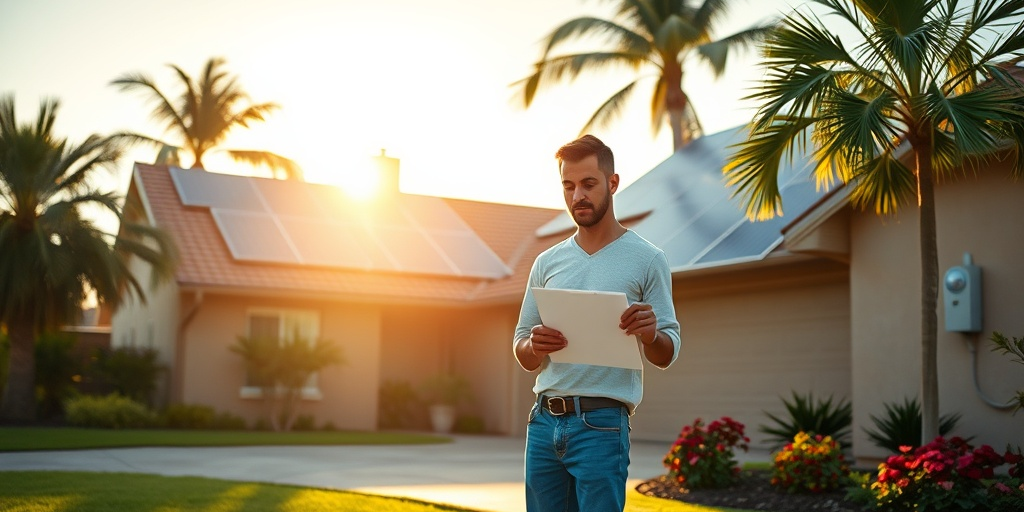
As energy costs continue to rise, Florida homeowners are increasingly looking for solutions to reduce their monthly bills and create a sustainable future. In fact, according to the Solar Energy Industries Association, the number of solar installations in Florida has soared by nearly 200% over the past two years alone, making it one of the fastest-growing solar markets in the country. However, there are critical risks associated with solar panel installation that many contractors often overlook, leading to costly mistakes for homeowners. This article, titled Don’t Overlook These Critical Risks of Solar Panel Installation, will guide you through essential precautions that can ensure your project is a success and protect your investment.
As we enter 2025, an urgency looms over the solar landscape, particularly in Florida. With new incentives on the table for renewable energy and the threat of grid instability, it has become more important than ever for homeowners to educate themselves on both the benefits and pitfalls of solar energy. Throughout this comprehensive guide, I’ll share five critical areas to consider:
- Deep Dive into Real Risks of Installation
- Essential Factors to Consider: A Checklist
- Debunking Common Myths About Solar Power
- Florida-Specific Insights and Local Focus
- Technical Considerations: Understanding Your System
By the end of this article, you will have a robust understanding of the risks involved and the best practices to mitigate them, ensuring that your investment into solar power yields both financial and environmental rewards. Let’s dive deep into the vital aspects of solar panel installation!
Understanding Risks in Solar Panel Installation
As the popularity of solar power continues to surge, so do the risks associated with solar panel installation. What many homeowners don’t realize is that improper installation practices can lead to inefficiencies, reduced system lifespan, and even dangerous hazards. Consider the tale of the Thompson family from Fort Lauderdale, who eagerly jumped into a solar panel installation project. Excited by glossy marketing materials, they signed a contract with a seemingly reputable company. However, they soon discovered a host of problems: panels that weren’t positioned optimally, inadequate warranties, and most alarmingly, a fire hazard due to poor wiring.
To prevent disasters like the Thompsons’, here is a checklist of critical considerations:
- Research Your Installer: Look for a company that is licensed and has positive customer reviews. SolarReviews.com reports that about 70% of homeowners experience issues due to inadequate installer knowledge. Always check references!
- Understand Panel Quality: Not all solar panels are created equal. Check their efficiency ratings and warranties; products from reputable manufacturers often have warranties covering 25 years or more.
- Site Assessment: Make sure your installer performs a thorough site analysis before installation. This includes checking roof integrity, shading, and orientation, which are crucial for maximizing power output.
- Electrical Configurations: Consult with your installer about the electrical setup of your home. Ensure they use high-quality inverters and connectors to prevent safety hazards.
- Permits and Codes: Verify that your installer is knowledgeable about local building codes and has pulled all necessary permits, as failing to do so can lead to future complications.
In Florida, failing to comply with these regulations can lead not only to penalties but to safety hazards as well. For example, in 2019, over 1,500 installations in Florida were cited for insufficient permitting, showcasing how crucial it is to partner with reputable installation providers (Florida Solar Energy Center).
Moreover, let’s address some common myths that can put consumers at risk:
- Myth #1: Solar Panels Will Always Save You Money: While solar panels can reduce utility bills, they require a significant upfront investment that may not pay off if the system is not properly designed or installed. Understanding your energy needs and choosing the right system will make the difference.
- Myth #2: All Installers Are the Same: This is far from the truth. Just as with any service, the quality and expertise of contractors can vary widely. Don’t settle for the first option; shop around and choose wisely.
- Myth #3: Maintenance Isn’t Necessary: Regular maintenance is essential to ensure your system operates efficiently and safely. When neglected, minor issues can escalate into costly repairs.
For any home solar system, understanding the quality of panels, installation best practices, and the reality of local incentives and regulations is crucial. Researchers project that Florida will see its solar energy capacity grow by two-fold by 2025, and taking the right steps now can help homeowners enter this exciting future without regret (SEIA.org).
Essential Factors to Consider: A Checklist
Every successful solar installation starts with a checklist of essential factors to consider. Following these steps can help you avoid critical missteps:
- Step 1: Audit Your Electric Bill: Understand your current energy usage and how much you’d like to offset with solar. This helps you calculate the size and capacity of the system you’ll need. Most Florida homeowners can significantly reduce their dependency on the grid.
- Step 2: Know Your Roof: Assess the current state of your roof. A roof that is 10 years old or older may need repairs or even a replacement before installing solar panels, especially if your warranty will not cover it.
- Step 3: Research Financial Incentives: The federal solar tax credit will be available until 2025, allowing homeowners to deduct 26% of their system cost from federal taxes. Additionally, some local governments in Florida have their financial incentives to reduce upfront costs.
- Step 4: Choose the Right Financing Option: Understand the differences between purchasing outright, financing through a loan, or opting for a lease/PPA. Each comes with its intricacies regarding long-term savings.
- Step 5: Review Insurance Implications: Consult with your insurance agent to ensure your policy adequately covers solar panel installations. Some homeowners fail to account for changes resulting from their new energy systems.
Engaging with a certified expert is crucial for navigating these steps effectively. At floridaelectricandsolar.com, our knowledgeable team can assist you through the process, helping to avoid the pitfalls many homeowners fall into.
Debunking Common Myths About Solar Power
Many misconceptions surround solar power that lead to hesitation and poor decisions among prospective buyers. It’s vital to myth-bust these ideas to clear the air for Florida homeowners looking to capitalize on this renewable energy source.
- Myth #1: Solar Panels Don’t Work in Cloudy or Rainy Weather: This is incorrect. Even in cloudy weather, solar panels can produce energy, albeit at reduced levels. Modern solar technologies have improved efficiency even in less-than-ideal conditions.
- Myth #2: It Takes Too Long to Recoup Costs: With rising energy costs, many homeowners find recouping their investment to be quick—often in as little as 5-7 years depending on system size and electricity prices. Early adopters can find themselves saving money sooner than anticipated.
- Myth #3: You Have to Buy Solar Panels Outright: With financing options and leasing programs, many homeowners can install solar systems with little to no upfront cost, making it more accessible than ever.
- Myth #4: All Solar Panels Look the Same: There is a wide variety of solar panels available today, offering different aesthetics and efficiencies. Homeowners can choose options that fit their home’s style.
In Florida, public reception to solar energy remains significantly high, with a 2022 consumer survey showing that over 80% of Floridians support solar expansion in their communities (Florida Power & Light). Educating yourself and dispelling these myths can lead to informed decisions that can enhance not only your property but also contribute positively to the environment.
Florida-Specific Insights and Local Focus
When considering solar energy, local factors can have a significant impact on decisions made in Florida. The state offers unique incentives and programs designed to promote solar energy use. As we approach 2025, understanding these incentives becomes paramount.
- Incentives and Rebates: Florida has several financial incentives, including the Property Tax Exemption for Solar Energy Systems, which means homeowners don’t have to pay taxes on the increased value of their property due to solar installation. That can result in substantial savings.
- Interconnection Standards: Florida’s interconnection standards govern how homeowners connect their solar systems to the local utility grid, providing guidelines that help streamline link processes and minimize delays.
- Net Metering Laws: Florida offers net metering, allowing homeowners to receive credit for excess power generated. This policy allows them to offset costs during times when they draw energy from the grid.
- Local Solar Momentum: The state has seen unprecedented growth, with over 18,000 jobs created in the solar sector as of 2023. Budding entrepreneurs and established businesses alike are taking advantage of this growth, showcasing a vibrant local solar economy.
Engaging the services of local professionals who are well-versed in Florida’s solar framework enables homeowners to navigate these opportunities effectively, making for a seamless installation (DSIREUSA.org).
Technical Considerations: Understanding Your System
As you step closer to solar ownership, understanding the technical aspects of solar systems is critical for avoiding pitfalls. Here’s a crash course on what to expect from your solar installation:
- Solar Panels: The most visible part of your solar system, choose quality panels that feature high efficiency and durable design. Research brands and warranties closely to ensure they match your goals.
- Inverters: Functioning as the heart of your solar system, inverters convert sunlight into usable electricity. Opt for inverters known for reliability and strong manufacturer support.
- Battery Storage: Consider whether you want battery storage for your solar system. This feature allows you to store excess energy for use at night or during outages, enhancing energy independence.
- Installation Quality: The skill of your installer dramatically influences system performance. Utilize your checklist to vet potential contractors rigorously.
- Monitoring Systems: Implement a monitoring system that allows you to track and analyze usage, maximizing efficiency and identifying issues early.
Knowing the technical details leads to making educated choices during installation and enhances the long-term performance of your solar system. Engage with certified professionals to maximize the efficiency and productivity of your energy investment and ensure a brighter future for your home.
Next Steps for Florida Solar Buyers in 2025
Now that you have learned the critical risks associated with solar panel installation and best practices, it’s essential to have a clear action plan moving forward. Here’s a checklist of next steps specifically for prospective solar buyers in Florida:
- Step 1: Audit Your Electric Bill: Review your current energy usage to identify your needs and find the right size and type of solar system that will suit your home.
- Step 2: Research Local Installers: Take the time to search for reputable local solar installers. Check their certifications, reviews, and past projects before making a choice.
- Step 3: Explore Financial Options: Speak with your financial advisor to assess the various purchasing options available to you, weighing the benefits of loans, leases, and outright purchases.
- Step 4: Check Local Incentives: Familiarize yourself with federal, state, and local incentives that might be available to you as a Florida homeowner going solar.
- Step 5: Commit to Installation: After thorough research and considerations, it’s time to commit and schedule your installation. Monitor the process closely to ensure all standards are maintained throughout.
Taking these steps will significantly reduce friction in your journey toward solar energy ownership. Being proactive can safeguard you against common risks and help you maximize your savings and environmental impact even in 2025 and beyond.
In conclusion, embracing the solar power movement can bring considerable benefits, but it’s essential to approach it with an informed and cautious mindset. Understanding the critical risks enables you to safeguard your investment while enjoying the fruits of renewable energy. With rising costs and the advantages of solar incentives, now is the perfect time to invest in your future. Your journey to energy independence can begin today, and we’re here to help make that happen.
Ready to start your solar journey in 2025? Connect with a certified expert at floridaelectricandsolar.com today.
Related Articles
More insights about Solar Panel

Florida Homeowners: Why Solar Panel Maintenance Is Essential

7 Essential Steps for Solar Panel Installation Success

Expert Insights: Key Factors Influencing Solar Panel Lifespan
Ready to Go Solar?
Have questions about solar energy? Our experts are here to help you make the switch to clean, renewable energy.