
Don’t Overlook These Critical Risks of Solar Panel Installation
Share:
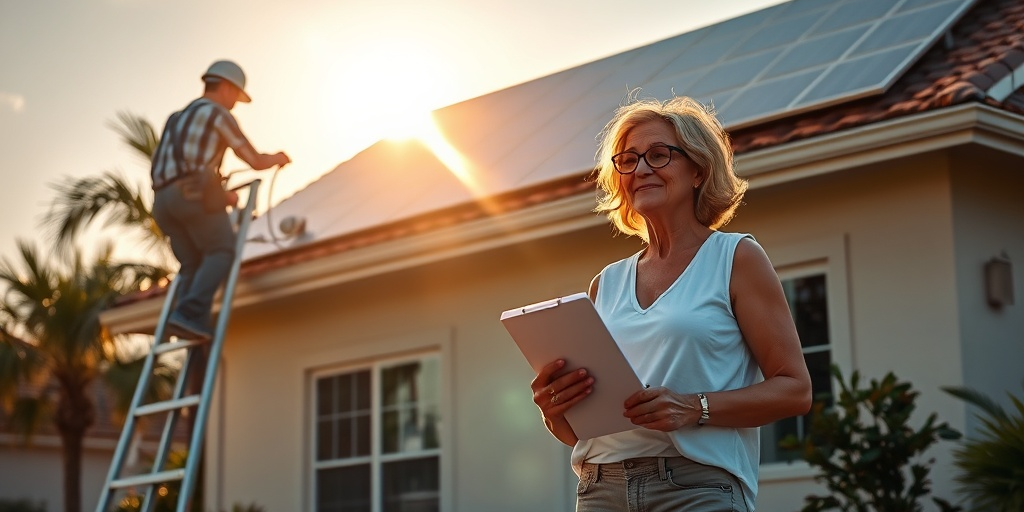
Are you aware that more than 50% of homeowners in Florida consider going solar, yet many overlook critical risks associated with solar panel installation? This statistic sheds light on a pressing issue: while solar energy presents an opportunity for significant savings, it also comes with potential pitfalls that can hinder your investment. In this article, titled Don’t Overlook These Critical Risks of Solar Panel Installation, we will explore the dangers of uninformed solar decisions, from miscalculating expenses to improperly managed installations. With rising energy costs and a growing number of solar incentives emerging in 2025, successfully navigating these risks is more crucial than ever. For instance, according to the Solar Energy Industries Association, the U.S. solar market is projected to grow 29% in 2025 alone, making it imperative to choose the right approach to solar. We’ll cover five essential sections: from a narrative exploring real-life experiences, to a checklist for ensuring you avoid costly mistakes, myth-busting common misconceptions, a deep dive into the local Florida landscape, and finally, actionable steps to safeguard your solar journey.
Understanding the Risks: A Deeper Look into Solar Panel Installation
When Sarah from Fort Lauderdale decided to install solar panels, she was driven by the rising electric bills that were eating away at her savings. Excited about the prospect of saving money, she jumped on the bandwagon, eager to own her power. However, within a few months, she faced unforeseen challenges that could have been avoided. Tragically, her story is not unique in the realm of solar panel installation.
In exploring the risks, let us look through Sarah’s journey, which serves as a case study. First, she was not fully aware of how much energy her household actually consumed and relied on her contractor’s estimates, which led her to order a system that was mismatched to her needs. After installation, she found it insufficient to cover her monthly bills, effectively defeating the purpose of her investment. This mismatch is not merely anecdotal; the National Renewable Energy Laboratory (NREL) states that 30% of homeowners misjudge their energy needs when opting for solar systems (NREL.gov).
As you prepare to make the leap into solar energy, it is pivotal to understand the common risks and avoid costly mistakes. Here’s a checklist of five essential steps that can steer you clear of installation risks:
- Step 1: Conduct a comprehensive energy audit to determine your actual usage.
- Step 2: Research installation companies thoroughly, looking at ratings and reviews.
- Step 3: Get multiple quotes that include detailed breakdowns of system components and warranty options.
- Step 4: Understand all financing options available and their implications for your long-term savings.
- Step 5: Ensure you verify all regulations and permits required for solar implementation in your local area.
In addition to these practical actions, let’s bust some prevalent myths surrounding solar installation that may mislead homeowners, particularly in Florida.
Myth-Busting Common Misconceptions About Solar Installation
Myth #1: Solar panels will only save you money after several years.
In reality, many homeowners start seeing savings on their electric bills within the first month of solar installation, particularly in the sunlight-rich landscapes of Florida, where solar incentives can significantly reduce initial costs.
Myth #2: Solar panel maintenance is time-consuming and expensive.
Contrary to this belief, solar panels require minimal upkeep; a clean once or twice a year is often sufficient, and many service providers offer maintenance packages.
Myth #3: All solar systems are created equal.
This could not be further from the truth. Not only do different brands and models offer variable efficiency levels, but some may also come with lifetime warranties while others offer less coverage. It is essential to compare options carefully.
Myth #4: Installing solar will damage your roof.
Proper installations, especially when conducted by qualified professionals, should not harm roofs. In fact, they can enhance overall property value, provided the installation method complies with building codes.
Myth #5: You need to buy solar panels outright to take advantage of solar energy.
Many financing options, including leasing and power purchase agreements (PPAs), allow homeowners to reap the benefits of solar energy without hefty upfront costs, making solar accessible to more homeowners each year.
While learning more about these misconceptions, it is essential to focus on Florida-specific data that impacts both policy and solar energy adoption. The Sunshine State offers unique advantages for solar users, including net metering policies that allow excess energy production to be credited back to users’ electric bills. In fact, a survey from the Florida Solar Energy Center indicates that over 100,000 Floridians have already taken advantage of solar energy incentives (FSEC.org).
Let’s now transition deeper into the technical aspects of solar energy, such as panels, batteries, and inverters, and why understanding these components can minimize your risks significantly.
Understanding Solar Technology: What Every Florida Homeowner Needs to Know
The world of solar technology is both exciting and complex. For Florida homeowners, understanding this technology can be the key to successful implementation. Start with the solar panels themselves; which type is best suited for your property? There are generally two classes of panels—monocrystalline and polycrystalline—each with distinct efficiencies and costs. Monocrystalline panels tend to occupy less space while being more efficient, but they come at a higher price. On the other hand, polycrystalline panels may be more cost-effective but may occupy more space for a like output.
Next, consider the inverters: the heart of your solar energy system. They convert the Direct Current (DC) generated by your solar panels into Alternating Current (AC) used by your home. There are string inverters and microinverters; while string inverters are typically cheaper, they might not maximize output if panels are shaded or dirty. In contrast, microinverters—though pricier—could lead to higher energy yield under varying conditions.
In addition, battery storage is an essential aspect of solar technology. Systems equipped with batteries allow homeowners to store excess energy for later use, providing a safeguard against fluctuating electricity prices and unplanned outages. In Florida, energy storage systems have gained popularity as they mitigate some of the risks associated with grid unreliability during storms and hurricanes.
To wrap up this section, ensure you address local policies. The Florida Public Service Commission regulates various aspects of solar energy implementation, and understanding any upcoming changes or incentives available in 2025 will help you align your choices accordingly. To further guide you, you can visit floridaelectricandsolar.com for expert advice tailored to your needs.
The Emotional Journey: A Homeowner’s Solar Story
Imagine the day when you stand outside your home, surrounded by gleaming solar panels basking in the Floridian sun. For Mark and Lily from Orlando, this image symbolizes freedom. After years of soaring electricity bills, they committed to going solar but faced challenges along the way. Initially, they imagined the process as a straightforward project but soon discovered that understanding the core components was crucial.
Beginning with a complete energy audit, they found their energy consumption typically spiked during summers due to their air conditioning unit. Working closely with their installation contractor, they customized a system that not only met their current needs but also anticipated future energy demands as their family grew. They learned that energy efficiency practices could reduce their demands further, amplifying their savings.
They invested time understanding how net metering worked, ensuring they optimized every kilowatt produced. Moreover, they dove deep into the reviews for their chosen solar company and insisted on credentials. Their diligence paid off when they avoided potential scams and secured a reputable provider.
As their panels began generating energy, Mark and Lily experienced the satisfaction of reduced bills. With the help of state and federal incentives, their initial investment yielded impressive returns, and they felt empowered to educate their friends about green options. In fact, according to a report from the American Solar Energy Society, Mark and Lily saved over 20% on their annual energy costs (ASES.org).
As you consider your own journey into solar, remember that success involves thorough research and understanding the multiple facets of solar technology, financing tools, and local regulations. Now, let’s clarify the next steps for Florida buyers pursuing solar in 2025.
Your Action Plan: Next Steps for Florida Solar Buyers in 2025
Taking bold action towards solar energy is exciting, yet it requires forethought and planning. Here’s a concise checklist that outlines the steps Florida homeowners should follow.
- Step 1: Audit your electric bill for the last year to understand your consumption patterns.
- Step 2: Research reputable solar energy companies in your area and read customer reviews.
- Step 3: Assess various financing options, whether purchasing, leasing, or utilizing a power purchase agreement.
- Step 4: Confirm all local and state regulations regarding permits and net metering rules.
- Step 5: Engage with an expert in solar energy implementation to tailor a system that meets your needs.
Following these steps will reduce friction and frustration as you embark on your solar journey. Moreover, in a state like Florida where sunny days are frequent and energy production is maximized, an informed choice can lead to overflowing savings and greater satisfaction in owning your power. If you’re ready to seize the opportunity, research more resources at floridaelectricandsolar.com.
As we reach the conclusion, let’s recap the importance of being diligent and educated about solar panel installation risks out there. In this ever-evolving landscape, understanding your personal energy needs and aligning them with local technology and policies can make a significant difference in your bottom line. An investment today in solar not only aligns with the growing trend in sustainability but can also safeguard your financial future. Importantly, as you delve into your solar journey, it will be a commitment to energy independence, emotional satisfaction, and fiscal prudence. Remember, the sooner you act, the sooner you can experience the benefits.
Ready to start your solar journey in 2025? Connect with a certified expert at floridaelectricandsolar.com today.
Related Articles
More insights about Solar Panel

Florida Homeowners: Why Solar Panel Maintenance Is Essential

7 Essential Steps for Solar Panel Installation Success

Expert Insights: Key Factors Influencing Solar Panel Lifespan
Ready to Go Solar?
Have questions about solar energy? Our experts are here to help you make the switch to clean, renewable energy.