
Warning: Don’t Overlook These Solar Panel Installation Risks
Share:
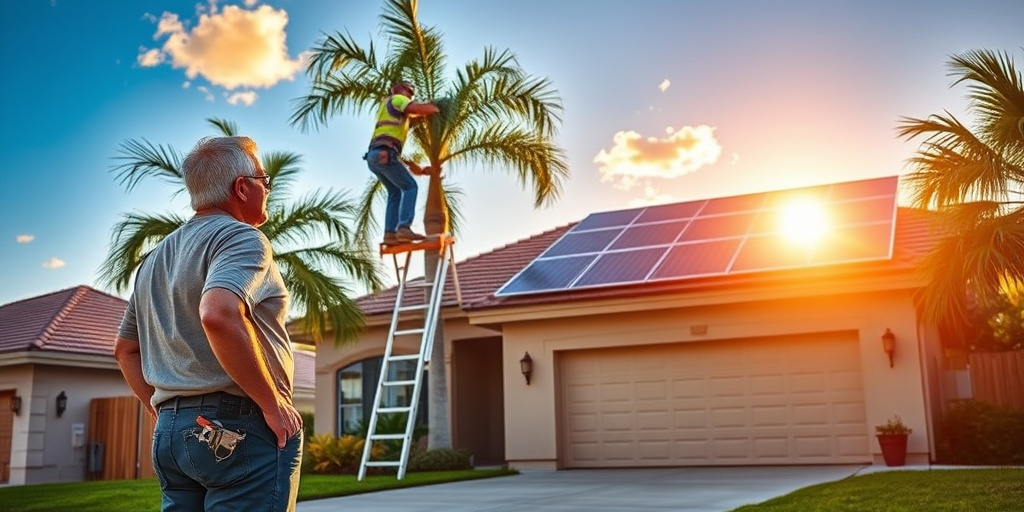
In 2025, the energy landscape in Florida is shifting dramatically, with solar energy roaring to the forefront of home and business energy solutions. Yet, despite a growing awareness and adoption of solar technology, many homeowners and commercial property owners fall prey to a series of risks during the installation process. Did you know that nearly 30% of solar panel installations lead to issues due to oversight or negligence? This statistic raises a crucial question: how can you ensure that your solar panel installation is seamless and effective? Welcome to our article titled Warning: Don’t Overlook These Solar Panel Installation Risks, where we will shine a light on common pitfalls and provide you with the insights you need for a successful solar journey. According to the Solar Energy Industries Association (SEIA), Florida ranks as one of the top states for solar installations, boasting over 2.5 gigawatts of installed capacity. As energy costs continue to rise and incentives for going solar remain plentiful, understanding the risks of installation has never been more urgent. Here’s what we’ll explore in the sections ahead: a detailed dive into the most common installation risks, a checklist for successful installation, myth-busting prevalent misconceptions, an overview of best practices, and actionable next steps tailored for Florida solar buyers in 2025.
Understanding the Hidden Risks: The Most Common Solar Panel Installation Pitfalls
When considering the transition to solar energy, many homeowners envision lower electric bills and a sustainable footprint. Yet, the installation stage holds surprising complexities that can lead to unanticipated risks. Let us take a closer look at these hidden dangers that could turn your solar dreams into a frustrating experience.
Take, for instance, the story of Jane and Tom, homeowners in Orlando, who eagerly installed solar panels to cut their electricity costs. Initially thrilled, they faced delays due to permitting issues and ultimately realized their rooftop installation wasn’t optimized for sun exposure, costing them significant efficiency. This scenario underscores the importance of a proper installation process. To safeguard your investment, consider the following checklist of risks to avoid:
- Improper Sizing of the System: Failing to tailor the size of the solar system to your energy usage can lead to insufficient energy generation.
- Neglecting Permits and Regulations: Each locality in Florida has its own set of codes and regulations. Failing to comply can lead to fines or forced removal of the system.
- Poor Installation Practices: Experience and expertise matter. Incorrectly installed panels can suffer from equipment failure and reduced efficiency.
- Choosing Incompatible Components: Not all solar panels, inverters, and batteries are designed to work together. Compatibility issues can result in performance problems.
- Ignoring Maintenance Requisites: Installation is just the beginning. Neglecting ongoing maintenance can diminish system performance over time.
As you embark on your journey, be prepared to counter these risks head-on. Moreover, if you choose a professional installer, ensure they have a stellar reputation and are well-versed in Florida’s solar landscape. A recent study indicated that homes equipped with professionally installed solar systems see, on average, a 15% higher efficiency compared to DIY setups (NREL.gov).
But it’s not just about the risks. It’s critical to break down these myths surrounding solar installation to truly grasp the stakes.
Common Myths About Solar Panel Installation Debunked
Unfortunately, a number of misconceptions about solar energy persist, keeping many potential users from embracing this transformative technology. Below, we will bust some of these myths and equip you with factual insights to make informed decisions:
- Myth #1: Solar Panels Don’t Work in Cloudy Weather: While it’s true that solar panels generate less energy in cloudy conditions, they still operate efficiently—producing energy even with 20% less sunlight. Florida’s climate ensures plenty of sunny days, making solar an excellent option.
- Myth #2: All Solar Setups Are the Same: In reality, solar panels vary extensively in efficiency, durability, and cost. Researching and selecting systems tailored to local conditions is essential for success.
- Myth #3: Installation Is a DIY Project: Many DIY enthusiasts assume they can install solar panels themselves, but the breadth of local regulations and technical requirements necessitate professional assistance to ensure compliance and effectiveness.
- Myth #4: Solar Panels Are Too Expensive: With federal tax credits and state incentives, the initial cost of solar is more manageable than ever. Florida homeowners can leverage programs that significantly reduce their out-of-pocket expenses.
- Myth #5: Solar Increases Home Value Automatically: While solar can indeed add value, poorly installed or malfunctioning systems can do the opposite—prompting potential buyers to shy away from a home.
By debunking these myths, we hope to clear the path for those contemplating solar energy. Remember, being armed with knowledge is the best prevention against costly mistakes.
Next, let’s focus on the best practices you should follow to enhance your solar installation experience.
5 Expert Solar Installation Tips for 2025
As the climate for energy efficiency heats up, ensuring that your solar installation reflects current best practices will save you both money and frustration. Here are five tips you should consider as you plan your setup:
- Tip 1: Conduct a Detailed Energy Audit: Before installation, assess your energy needs thoroughly. Identifying your peak usage times helps determine the proper system size, ensuring you maximize solar savings.
- Tip 2: Prioritize Quality Over Cost: While budget is a concern, cutting corners can cost you more in the long run. Invest in high-efficiency panels and reputable installation services to ensure longevity and performance.
- Tip 3: Optimize Panel Placement: Ensure panels are installed where they receive maximum sunlight exposure throughout the day. This typically means a southern orientation on a clear rooftop.
- Tip 4: Stay Informed About Regulations: Local regulations vary widely, so stay updated on permits, zoning laws, and any applicable financial incentives. This might also include installation standards enforced by Florida’s Division of State Fire Marshal (DFS).
- Tip 5: Plan for Maintenance: After installation, keep track of your energy output and schedule regular inspections. Ongoing maintenance is key to preventing performance degradation over time.
Implementing these tips can significantly enhance your experience and outcome with solar energy. For instance, those who prioritize quality during installation often benefit from systems that yield, on average, 20% more energy than lower-quality installations (SEIA.org). With best practices in hand, let’s turn our attention to a relatable story that many Florida homeowners may encounter on their solar journey.
A Florida Homeowner’s Journey: The Solar Experience
Meet Marcus—a business owner and a family man living just outside Tampa, Florida. Three years ago, he decided to take the plunge into solar energy after consistently poor experiences with rising energy bills. Overwhelmed by the options available, he initially struggled with which system to choose and how to go about the installation process. Initially hesitant, Marcus engaged a local solar consultant who guided him through the complexities of selection and installation.
As they analyzed Marcus’s monthly utility bills, they discovered he could benefit from a 10 kW solar system, tailored specifically for his family’s energy needs. With a detailed plan in place, Marcus eagerly awaited installation day. However, the company faced unexpected permitting delays, causing frustration. Fortunately, the consultant kept Marcus updated and was actively seeking solutions.
On installation day, everything transpired smoothly. Marcus’s chosen panels were installed at the optimal angle, maximizing the sun’s energy absorption. His maintenance plan, prepared well in advance, included regular inspections and local regulatory checks. Fast forward to today: Marcus’s family has slashed their energy bills by over 60%!
As Marcus’s story illustrates, understanding the full scope of the installation process—including potential pitfalls—can lead to a fruitful outcome. Here are four key takeaways from Marcus’s journey:
- Choosing the right system that matches your energy profile is imperative.
- Professional installation services pay off by optimizing energy output and navigating regulatory requirements.
- Regularly monitor your solar system’s performance to identify potential issues early on.
- Establish an easy communication channel with your installer to address concerns promptly.
This journey confirms how informed decisions lead to positive outcomes. As the solar revolution continues to flow across Florida, we turn towards next steps for solar buyers moving forward into 2025.
Next Steps for Florida Solar Buyers in 2025
As you consider transitioning to solar energy, taking methodical steps can help you mitigate the risks covered in this article and ensure that your experience is rewarding. Follow this actionable plan to make a confident leap into solar energy:
- Step 1: Audit Your Electric Bill: Review your monthly energy usage to understand your actual consumption patterns over the year. This data forms the foundation of your solar needs analysis.
- Step 2: Research Local Solar Companies: Investigate the quality and reputation of local installers. Reviews and ratings can provide vital insights into potential partners.
- Step 3: Secure Necessary Permits: Equip yourself with knowledge about local regulations, zoning codes, and required permits. This long-term planning saves you from installation delays.
- Step 4: Choose Your Solar Components Wisely: Select reliable and efficient solar panels, inverters, and batteries. Ensure your components are compatible and meet industry standards.
- Step 5: Commit to an Ongoing Maintenance Plan: Engage with your installer regarding regular maintenance schedules to guarantee optimal performance.
By following these steps, Florida homeowners will significantly reduce installation risks while maximizing potential savings and efficiencies. For personalized support with any questions on selected solar systems or installation, don’t hesitate to contact us at floridaelectricandsolar.com.
As we conclude our exploration of the various risks associated with solar panel installations, remember that vigilance and informed decision-making are your best tools in navigating this exciting energy transition. In this prime era of solar adoption, your commitment to sustainable living not only cuts your energy bills but also contributes to our planet’s wellbeing. Every decision made today shapes your family’s energy future and positively impacts your community and environment. With the proper groundwork, your solar journey can surely blossom into an enriching experience—both financially and environmentally.
Ready to start your solar journey in 2025? Connect with a certified expert at floridaelectricandsolar.com today.
Related Articles
More insights about Solar Panel

Florida Homeowners: Why Solar Panel Maintenance Is Essential

7 Essential Steps for Solar Panel Installation Success

Expert Insights: Key Factors Influencing Solar Panel Lifespan
Ready to Go Solar?
Have questions about solar energy? Our experts are here to help you make the switch to clean, renewable energy.