
Don’t Risk It: Avoid These Solar Scams to Steer Clear
Share:
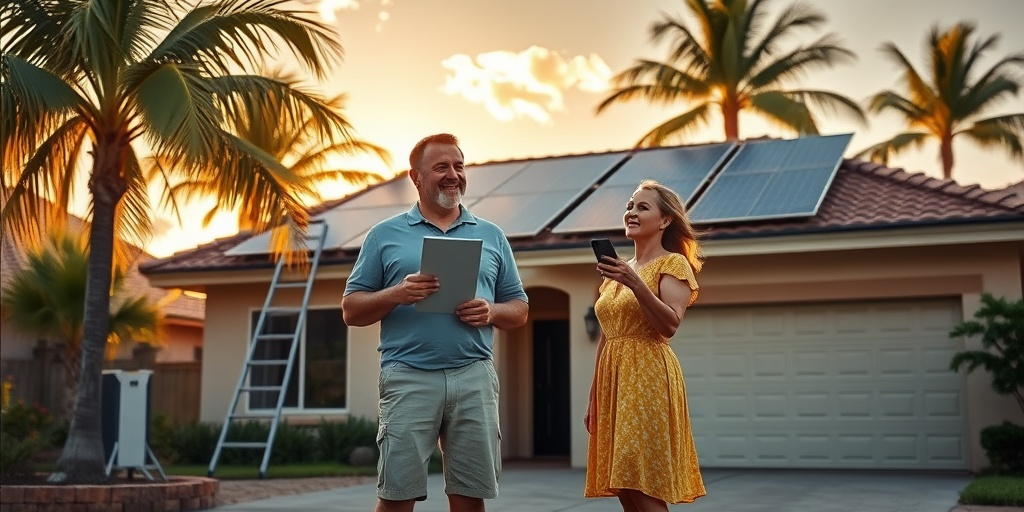
Imagine waking up one morning to a staggering electricity bill. You’ve been living in Florida for years, but the recent surge in energy prices has left you scrambling for answers. Did you know that nearly 1 in 5 solar installations in the U.S. result from misunderstood contracts or hidden fees? This alarming statistic isn’t just a number; it’s a reality for many homeowners who are eager to embrace solar energy. As you embark on your journey toward energy independence, it’s quintessential to educate yourself on potential pitfalls in the industry. In “Don’t Risk It: Avoid These Solar Scams to Steer Clear,” we will expose the common scams that can threaten your investment and empower you to make informed decisions. With solar installations in Florida expected to double by 2025—a result of soaring electricity costs and government incentives—now is the time to arm yourself with knowledge (SEIA.org). This blog will illuminate five critical sections: a case study of a Florida homeowner, a checklist to verify trustworthy providers, common myths that need debunking, local insights unique to your state, and a technical deep dive into your solar system options. Stay engaged as we break down these vital topics, ensuring your pathway to solar energy is not just bright, but secure and profitable.
Unscrupulous Solar Tactics: A Case Study to Learn From
John and Mary, a retired couple living in Sarasota, thought they were making a savvy financial decision by converting their home to solar power. Influenced by aggressive advertising boasting “no upfront costs” and “instant savings,” they hastily signed a contract with a solar company hounded by complaints. A few months later, they discovered unexpected fees for installation, misleading financing options, and shoddy workmanship. Not only did they fall victim to poor quality panels, but John found himself unable to reach customer service for months when trying to resolve issues. Their investment in solar energy turned into a nightmare, threatening their retirement funds.
This situation isn’t isolated. In Florida alone, homeowners face multiple scams, including misleading advertisements, high-pressure sales tactics, and incomplete information. According to recent data, complaints regarding solar projects have risen by over 30% in just a year (SolarReviews.com). To ensure your journey into solar energy avoids such pitfalls, follow these actionable steps:
- Research Thoroughly: Check company reviews and speak to former customers.
- Read the Fine Print: Contract details should be crystal clear, outlining every cost.
- Demand Transparency: Ask for written guarantees on system performance and warranties.
- Verify Credentials: Verify local licenses, certifications, and affiliations with credible associations.
- Utilize Local Resources: Engage with organizations like the Florida Solar Energy Center for advice.
Understanding these principles can save you from the frustrations that John and Mary experienced. Grasp the importance of these proactive approaches to establish a successful solar ownership.
Essential Checklist to Avoid Solar Scams
Your path to solar energy should empower you, not lead you into vulnerability. Here’s a concrete checklist to help you identify red flags during your search for reputable installers. Stay cautious and conduct your due diligence before getting involved with any solar provider.
- Check for Certification: Ensure installers are certified by the North American Board of Certified Energy Practitioners (NABCEP) or similar associations. These certifications showcase professionalism and expertise in the field.
- Review Customer Testimonials: Seek out genuine customer testimonials. Sift through online reviews on platforms like Google and Yelp to gauge overall customer satisfaction.
- Request Multiple Quotes: Don’t settle for the first quote. Homeowners who gather multiple estimates gain a better perspective on average costs and services.
- Understand the Warranty: Look for warranties on installations and equipment to protect your investment. Many products should come with a minimum 25-year warranty on solar panels.
- Escalate Red Flags: If anything seems unclear or too good to be true, insist on clarification. Legitimate companies will have nothing to hide.
Use this checklist not only to arm yourself with the right tools to protect your investment but also to establish a relationship based on trust with your solar provider. Knowledge is your best armor against any underhanded tactics.
Mystifying Myths About Solar Energy
Common misconceptions can lead homeowners down the wrong path regarding solar energy. Let’s debunk some pervasive myths that can skew your understanding and affect your decisions.
- Myth #1: Solar Energy is Only for Sunny States. While Florida is a leader in solar potential, various technologies work efficiently in less sunny conditions. All locations can benefit from solar energy, especially with advancements in storage solutions and panel technology (Energy.gov).
- Myth #2: Solar Panels are Too Expensive. The truth is that prices have dramatically decreased over the past decade. The average price of solar panels per watt has dropped by over 70% since 2010, making solar access more feasible than ever (NREL.gov).
- Myth #3: You Can’t Sell Your House With Solar. In fact, homes equipped with solar panels often sell for more, as awareness and appreciation for renewable energy grow among potential buyers.
- Myth #4: Solar Panels Require a Lot of Maintenance. Modern solar panels come with minimal maintenance requirements, needing only periodic cleaning and occasional checks to ensure optimal performance.
- Myth #5: You Need to be Off-Grid to Have Solar Panels. Many homeowners benefit from grid-tied systems that harness solar power while remaining connected to their local utility network. This approach provides flexibility and reliability.
By busting these myths, you can dispel skepticism surrounding solar energy and feel more confident about transitioning to a cleaner future.
Florida Focus: Local Insights and Regulations
In 2025, the Florida solar market is expected to continue booming, driven by incentives and supportive state policies. However, navigating these waters requires understanding local laws and income-eligible programs designed to encourage solar integration.
The state’s net metering policy allows solar homeowners to sell back excess power to the grid, providing significant financial benefits. Furthermore, the Florida Solar Rights Act protects homeowners from restrictions by homeowners’ associations regarding solar installations, making it illegal for them to prohibit solar panel installations.
Here are three critical points…
- Tax Credits and Incentives: Homeowners can claim a federal solar tax credit, offering a deduction of 26% off the total cost of solar installations. Additionally, Florida has created its own incentives to promote solar growth (DSIREUSA.org).
- Local Solar Rebates: Various utilities in Florida offer rebate programs that can help offset costs, so it’s vital to research what local offerings are available.
- Community Solar Projects: Some Florida towns feature community solar projects that allow residents to purchase a share of a larger solar farm. This concept can be invaluable for those who can’t install panels on their property.
Be sure to take these local insights into account as you navigate the solar landscape in Florida. Understanding regulations and incentives will significantly enhance your solar experience.
The Technical Deep Dive: Understanding Your Solar Options in 2025
The solar industry has witnessed transformative growth, making it pivotal for Florida homeowners to grasp the latest options available in panels, batteries, inverters, and energy management systems. Equipped with scientific advancements, this section will dissect each aspect of your solar system and its implications for your overall experience.
Solar panels come in several types: monocrystalline, polycrystalline, and thin-film. Monocrystalline panels, while pricier, yield higher efficiency rates, meaning fewer panels are needed to achieve your desired output. Understanding these differences allows you to choose the best fit for your property.
The advent of energy storage systems has elevated the reliability of solar power. Batteries enable homeowners to store excess energy produced during the day for use at night or during peak demand when electricity costs soar. Technologies like the Tesla Powerwall have revolutionized how homeowners manage energy usage (EnergyStorage.org).
Exploring the four essential components of a solar system…
- Inverters: These convert the direct current (DC) produced by solar panels into alternating current (AC) suitable for home use. Choosing high-quality inverters can significantly impact your energy efficiency.
- Monitoring Systems: Installing a monitoring system allows homeowners to track energy production and usage in real-time, optimizing performance and facilitating maintenance.
- Battery Storage: As mentioned, battery technologies are advancing rapidly and can be tailored to suit various needs and budgets.
- Financing Options: Various financing structures exist, ranging from outright purchase and loans to leasing and Power Purchase Agreements (PPAs). Evaluating which model aligns best with your financial goals is essential.
Investing time in understanding these technical aspects will enhance your experience with solar energy, ensuring you make informed decisions that serve your needs.
Next Steps for Florida Solar Buyers in 2025
As your understanding of solar energy’s opportunities and challenges unfolds, it’s time to action plan your pathway toward solar ownership. With rising energy costs and increasing awareness of climate concerns, here’s how to set yourself up for success in 2025:
- Audit Your Electric Bill: Review your monthly energy consumption and associated costs over the last year. Identifying these trends will help you understand how much solar energy you need and identify potential savings.
- Research Providers: Use the checklist provided earlier as a blueprint for finding and selecting trustworthy solar installers. Gather at least three quotes for comparison.
- Understand Financing: Assess your financial capacity to purchase or finance solar. Consider long-term savings versus short-term commitments.
- Leverage Incentives: Explore state and federal programs available to you. Eligibility for tax credits or rebates can significantly reduce your investment costs.
- Consult Experts: Engage with certified solar experts at floridaelectricandsolar.com who can guide you through your choices and the installation process.
These actionable steps will minimize obstacles as you navigate your journey into renewable energy.
In conclusion, as we’ve navigated through the potential risks associated with solar energy and established a toolkit of strategies, it is pivotal to remember that knowledge is power. Embracing solar energy not only represents a promise for lower electricity bills but also a commitment to a sustainable future for Florida homeowners. It’s time to reject the myths, understand local nuances, and dive deep into the technicalities of your solar system. Your decision to go solar will resonate well beyond today, impacting your financial health and the environment for generations to come. Ready to start your solar journey in 2025? Connect with a certified expert at floridaelectricandsolar.com today.
Related Articles
More insights about Solar Scams

Warning: Don’t Overlook These Solar Scams to Avoid

Don’t Miss This Critical Alert About Solar Scams

Don’t Ignore These Critical Solar Scams to Avoid
Ready to Go Solar?
Have questions about solar energy? Our experts are here to help you make the switch to clean, renewable energy.