
Don’t Risk These Common Solar Panel Installation Mistakes
Share:
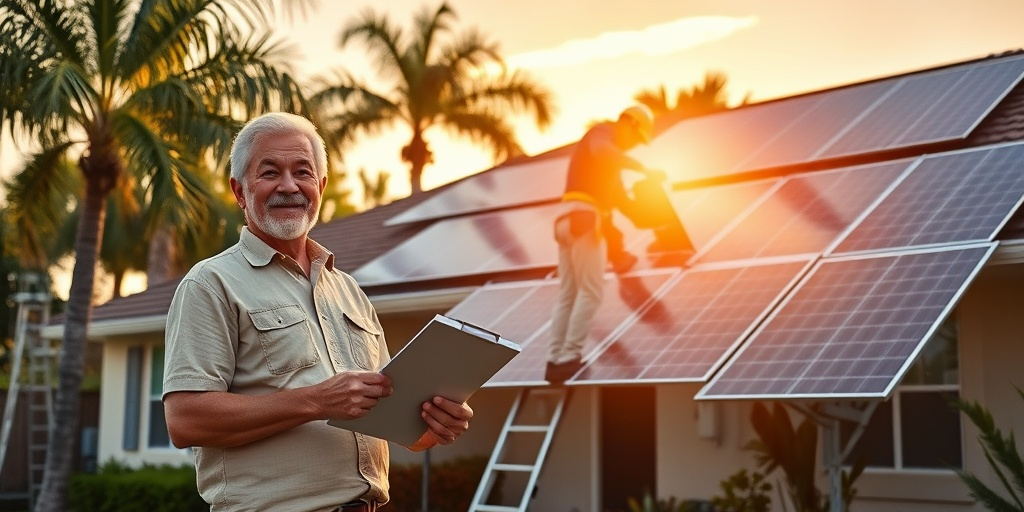
As energy costs continue to soar, homeowners and property owners across Florida are looking for sustainable alternatives to power their lives. With electricity prices rising at an alarming rate, understanding solar energy’s potential to not only safeguard your family’s finances but also protect the planet has never been more pressing. Amazingly, as of 2023, solar energy installations in Florida have jumped by over 25%, fueled by heightened awareness and attractive incentives (SEIA.org). You may be tempted to plunge into the world of solar panels, eager for reduced energy bills and enhanced home value; however, improper installations can lead to costly setbacks. That’s why it’s vital to take a moment to read through “Don’t Risk These Common Solar Panel Installation Mistakes.” In this comprehensive guide, we will explore five sections focused on the perils of missteps in solar installations, the vital steps for mitigating risks, and actionable insights that will empower you to make informed choices as you embark on your renewable energy journey in 2025.
With renewable energy generation becoming a focal point of state policy, and Florida making significant strides toward energy independence, homeowners in the Sunshine State can reap the benefits of solar power. However, the decisions you make now can significantly impact the efficiency of your solar panels and your overall satisfaction in the long run. That’s why understanding the common pitfalls associated with solar panel installation is crucial. This article will help you identify and avoid these mistakes, ensuring your transition to solar is smooth and successful.
In the upcoming sections, we will cover:
-
The High Stakes of Ignoring Installation Mistakes
-
Essential Checklist for Solar Panel Installation
-
Myths Surrounding Solar Panel Installations
-
Florida-Specific Insights for Solar Savvy
-
Understanding the Technical Components of Solar Systems
Let’s dive into the first topic and understand the high stakes involved…
Understanding the High Stakes of Ignoring Installation Mistakes
Imagine this: a Florida family makes the leap to go green, foregoing traditional energy sources for solar panels. Enthusiasm runs high, and they anticipate solar credits, lower bills, and an eco-friendly lifestyle. However, their excitement morphs into despair when they discover inefficiencies caused by poor installation choices. They quickly learn that one fateful decision — a missed evaluation of shading from trees — has resulted in subpar energy production, ultimately costing them thousands of dollars in lost savings.
This scenario is all too common in Florida, a state that is embracing solar energy at an unprecedented pace. In fact, Florida ranks third nationally for installed solar photovoltaic capacity, boasting over 4,000 MW (SolarReviews.com). With this growth comes a wave of rookie mistakes many new solar users make during installation. The financial implications can be dire, and if you’re not careful, you might inadvertently trap yourself in an unfavorable situation.
To safeguard your investment, consider this checklist featuring the top items to assess as you prepare for your solar panel installation:
- Step 1: Conduct a thorough site evaluation. Assess for shading from nearby trees or buildings, and find the optimal location for maximum sunlight exposure.
- Step 2: Research different types of solar panels, inverters, and batteries. Understand how each component works — choosing cost-effective and efficient options is key.
- Step 3: Look for qualified contractors with stellar reviews. A certified installer can help navigate local permitting and inspections.
- Step 4: Review energy consumption trends. Analyzing your past electricity bills will provide insight into your energy needs, helping you select appropriately sized solar systems.
- Step 5: Join the Florida solar community. Connect with local forums and social media groups to learn from other homeowners’ experiences.
Yet, even with careful planning, myths surrounding solar installations can derail your efforts. Let’s tackle some of the most common misconceptions you may encounter…
Myths Surrounding Solar Panel Installations
Clearing the air of misconceptions is critical for making sound solar investment decisions. Believing common myths can dissuade potential solar enthusiasts where energy savings and sustainability await. Here are key myths debunked:
- Myth #1: Solar panels won’t work on cloudy days.
This is false! Solar panels can generate energy even during cloudy or rainy weather, as they capture indirect sunlight. - Myth #2: You need a south-facing roof for solar panels to be effective.
Many panels can perform well on east- or west-facing roofs; strategic placement and tilt help maximize output. - Myth #3: You need a large home to benefit from solar energy.
Even smaller homes can see significant energy reductions by using solar energy, tailoring systems to meet specific energy needs. - Myth #4: Solar installations are too expensive.
While initial costs can be high, incentives like the federal solar tax credit or state rebates can significantly reduce expenses, not to mention long-term savings on electricity. - Myth #5: Solar panels require too much maintenance.
In reality, solar panels are designed to be low-maintenance. Regular cleaning and occasional inspections are generally all that’s needed.
By overcoming these myths, you can step confidently toward solar energy as an option for a cleaner future. But to truly maximize your benefits, understanding local considerations is essential. Here’s what you need to know specific to Florida.
Florida-Specific Insights for Solar Savvy
Being aware of Florida’s unique energy landscape will empower you as you switch to solar power. Given the state’s abundant sunshine, Florida homeowners have the potential to significantly reduce energy bills while also contributing to a more sustainable ecosystem. However, factors such as state regulations and energy consumption trends can impact your installation process.
- Incentives: Florida offers a range of incentives for homeowners, notably the Florida Solar Tax Credit, which is equivalent to 26% of the cost of solar systems (DSIREUSA.org).
- Net Metering: Florida has provisions for net metering, enabling homeowners to receive credits on their utility bills for excess energy generated by their solar panels.
- Hurricane Preparedness: Given the state’s vulnerability to severe weather, solar installations must be securely fastened to withstand storms, and hurricane-proof designs are a must.
- Property Taxes: Installing solar increases property value without raising property taxes, as Florida law protects solar homeowners from tax assessments on the value added by solar systems.
Incorporating these local insights can help you sidestep pitfalls and secure your solar investment. With the right knowledge base in mind, let’s explore the technical specifications needed for successful installations.
Understanding the Technical Components of Solar Systems
Grasping the nuts and bolts of your solar system is fundamental; it enables you to recognize potential issues before they arise. Here’s a closer look at essential components and technical aspects, all of which can impact your solar power experience.
- Solar Panels: Understanding the efficiency ratings and technologies behind various types — like monocrystalline, polycrystalline, and thin film — will help you select a system that meets your needs.
- Inverters: The inverter is the heart of your solar array. Knowing the difference between string inverters, microinverters, and power optimizers can guide you in choosing the best option for your home.
- Batteries: Assess whether battery storage makes sense for your home, considering factors like your energy usage patterns and fluctuations in electricity prices.
- Billing and Financing: Familiarize yourself with how solar ownership affects your electricity bill. Are you opting for a solar lease, loan, or outright purchase? Understanding these financial implications is key.
Equipped with technical understanding, you are now prepared to take your next steps in the solar journey. However, before diving into installation, let’s map out the actionable steps to streamline your process.
Next Steps for Florida Solar Buyers in 2025
Choosing to harness solar energy is a significant step toward lowering energy costs and promoting environmental sustainability. Now that you’re armed with knowledge about common pitfalls, let’s turn these insights into an actionable plan:
- Step 1: Audit Your Electric Bill: Begin by thoroughly analyzing your electric bill from the last year. Note monthly energy usage, peak usage times, and costs associated with fluctuating rates.
- Step 2: Assess Your Home’s Solar Potential: Evaluate your property for sunlight exposure, potential shading from trees, and roof condition. Seek professional evaluation or consult local installation experts.
- Step 3: Research Installation Companies: Look for reputable, licensed contractors with strong customer reviews. Compare quotes and check references to ensure quality service.
- Step 4: Review Financing Options: Consider your financial situation and explore financing or leasing options. Grants and incentives can significantly offset upfront costs.
- Step 5: Monitor Your System: Post-installation, set up monitoring tools to track energy production and consumption, ensuring your panels operate at peak performance.
The journey toward solar energy is one that rewards the prepared homeowner. With proper planning, your installation can lead to a more sustainable, financially savvy future. Now more than ever, it’s essential not to risk these common solar panel installation mistakes.
In conclusion, you’ve learned how to protect your investment, understand the critical components of solar systems, and take actionable steps toward installation success. Remember that choosing a sustainable energy solution is not just about cutting electricity costs; it’s about taking a stand for a brighter, cleaner future.
Ready to start your solar journey in 2025? Connect with a certified expert at floridaelectricandsolar.com today.
Related Articles
More insights about Solar Panel

Florida Homeowners: Why Solar Panel Maintenance Is Essential

7 Essential Steps for Solar Panel Installation Success

Expert Insights: Key Factors Influencing Solar Panel Lifespan
Ready to Go Solar?
Have questions about solar energy? Our experts are here to help you make the switch to clean, renewable energy.