
Don’t Risk Losing Money: Key Solar Panel Installation Mistakes
Share:
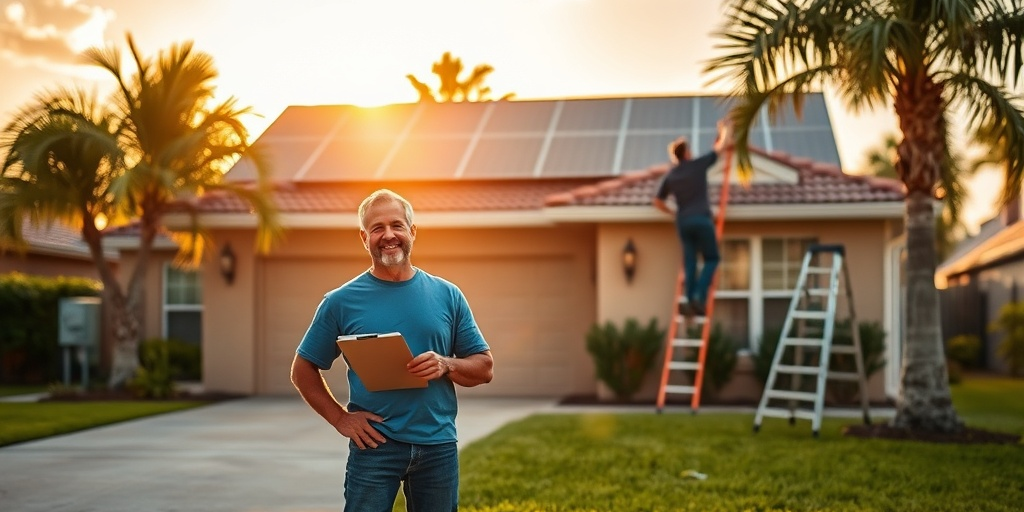
In the sunny state of Florida, the pursuit of solar energy is blossoming. Did you know that rooftop solar installations increased by over 43% in 2022, a surge driven by rising electricity prices and innovative incentives? As homeowners transition to clean energy solutions, it’s crucial to understand the potential pitfalls that can turn a cost-saving endeavor into a financial setback. This is the motivation behind our discussion: Don’t Risk Losing Money: Key Solar Panel Installation Mistakes. Mistakes in the installation process can result in costly consequences that stretch far beyond the initial investment. With energy prices expected to rise by 26% in the next four years, the urgency to get it right has never been greater (Energy.gov). In 2025, Florida’s solar landscape is set to transform further, making it essential for you to approach your solar journey with informed caution. In this article, we will delve into five crucial sections: a case study of a solar mishap, a checklist of common mistakes to avoid, a myth-busting segment that will clarify misconceptions, a local focus to illuminate Florida-specific challenges, and a technical deep dive into the nuances of solar technologies. Together, these insights will empower you to navigate your way through solar panel installation successfully and maximize your savings.
Understanding the Consequences of Poor Solar Panel Installations
Imagine this: the Johnsons, a family residing in Oviedo, recently decided to invest in solar power after soaring electricity bills threatened their budget. They approached a local contractor who promised a low-cost installation without conducting an appropriate site assessment. Feeling confident, they jumped into the project, but were soon met with a slew of issues. The panels were inadvertently installed in a shaded area of their rooftop, reducing output significantly. In just a few months, the Johnsons realized that instead of saving hundreds, they were losing precious dollars. By the end of the year, they had seen a mere 20% reduction in their electricity expenses—not the impressive savings they had envisioned. The combination of poor workmanship and lack of planning led to a problematic installation that cost them more in the long run. This cautionary tale exemplifies the kind of mistakes that many people make when jumping into solar panel installation without due diligence.
It’s essential to consider some factual missteps homeowners regularly make while installing solar panels. Here’s a vital checklist to ensure you don’t make the same regrettable decisions as the Johnsons:
- Neglecting Site Assessments: Before installation, proper evaluation of the roof’s structural integrity and sun exposure is crucial.
- Choosing Inexperienced Contractors: Selecting an experienced installer can dramatically influence the performance and lifespan of your solar panels.
- Overlooking Permits and Regulations: Ignoring local laws can lead to fines and forced removals of the system.
- Wrong Equipment Selection: Failing to select the appropriate solar panel technology can result in subpar performance.
- Not Considering Future Energy Needs: Inefficient planning could leave you stuck with insufficient capacity.
As the Johnsons found out, understanding and mitigating these common pitfalls can help you safeguard your investment in this promising energy transformation. Now let’s delve deeper into some widespread myths surrounding solar installation in Florida.
Myth-Busting: Tackling Common Misconceptions
As more Florida homeowners embrace solar adoption, misconceptions can lead to fewer-than-ideal decisions. Here are some of the most common myths that need debunking:
- Myth #1: Solar Panels Are Only Worth It in Sunny States: While it may seem logical, studies show that solar energy systems can be effective even in less sunny conditions, as the technology has evolved (SolarReviews.com).
- Myth #2: Solar is Too Expensive: The initial investment can be daunting, but incentives like the federal solar tax credit can alleviate some costs. Additionally, financing options have made solar more affordable than ever.
- Myth #3: Solar Installations Will Ruin My Roof: Professional installation can actually prolong your roof’s life. Most panels are designed to create a durable, waterproof layer over your existing roof.
- Myth #4: Solar Power Will Not Work During Power Outages: With the right setup—like battery storage—solar panels can keep your home running even when the grid goes down.
- Myth #5: There’s No Maintenance Needed: Solar power systems do require regular inspections and cleaning to perform at their best. Homeowners should keep their systems in good condition to maximize efficiency.
With these misconceptions clarified, understanding the local context can further shape your decision-making process in solar panel installation. Let’s explore how Florida’s unique attributes impact solar energy solutions.
Localized Insights: Florida’s Solar Landscape in 2025
Florida stands out as a solar oasis in the U.S., with an estimated 1.6 million roofs suitable for solar panel installation. According to the Florida Solar Energy Center (FSEC), the sunshine state has one of the highest potentials for solar energy generation, yet many residents remain unaware of the advantages. A staggering 70% of Florida homeowners are still hesitant about switching to solar, often due to misinformation or fear of the installation process.
Here are four key reasons why it’s essential to focus on maximizing the potential of your solar panel installation:
- Incentives and Rebates: The state continues to offer tax credits and local utility programs that can significantly cut the upfront costs of solar installations.
- Rising Energy Costs: With utility rates in Florida expected to rise significantly by 2025, investing in solar now can serve as a hedge against future energy price increases.
- Net Metering Policies: Florida law supports net metering, allowing homeowners to sell excess energy generated back to the grid, turning unused solar energy into profits.
- Resilience Against Weather Events: Florida’s storm season makes solar energy systems essential for homeowners seeking energy security through battery backup solutions.
By analyzing Florida’s solar potential and staying informed on local regulations and incentives, you position yourself at the forefront of this evolving industry. Now, let’s shift gears and examine some best practices to ensure a successful installation.
5 Expert Solar Installation Tips for 2025
Ready to embark on your solar journey? Ensure your success by following these expert tips for solar panel installation:
- 1. Conduct a Comprehensive Roof Assessment: Understand the structural health of your roof. Any necessary repairs should be made before installing solar panels.
- 2. Choose Reputable Installers: Research and interview multiple contractors to gauge their experience and customer feedback. Partners with certifications ensure quality service.
- 3. Understand Your Energy Needs: Calculate your energy consumption to determine how many panels you’ll need to meet your goals.
- 4. Embrace Technology: Opt for panels that incorporate the latest advancements like microinverters and energy storage solutions to boost output and reliability.
- 5. Stay Informed About Local Regulations: Stay ahead of the game by understanding the permits and inspections required for solar installation in Florida.
Implementing these best practices not only keeps your investment safe but also maximizes solar energy efficiency and savings in the long term. Let’s explore a hypothetical journey of a Florida homeowner transitioning to sustainable energy.
A Day in the Life of a Florida Homeowner Going Solar
Meet Mary, a 39-year-old single mother living in Cape Coral. Facing escalating electricity costs and dreams of a sustainable future, she decided to pivot to solar energy. Eager but anxious, Mary spent time researching online, and attempted to educate herself about solar technologies. After gathering information, she courageously contacted a local installer to request a quote.
During her initial planning session, Mary learned about solar panel placement, local regulations, and options for financing. Her consultant developed a customized plan tailored to her energy needs and home structure. Here’s a snippet of Mary’s journey:
- Evaluating Energy Needs: Mary calculated her average monthly electricity usage and built a plan around it, ensuring that her new solar panels could meet or exceed this demand.
- Assessing Roof Condition: An inspection revealed that her roof needed minor repairs, which she promptly addressed before installing the solar system.
- Choosing High-Quality Panels: After reviewing options, Mary selected a high-efficiency brand that promised durability and a 25-year warranty.
- Listening to Experts: Mary stayed connected to her installer throughout the process, ensuring compliance with all local regulations and building codes.
As the project concluded, Mary reveled in the moment. The solar panels were installed, and after a few weeks of bill reduction, she realized her investment was paying off. Many months passed, and her electricity bills became significantly lower. Mary even qualified for net metering, selling power back to the grid on sunlit days. Her journey transformed not just her home but also her outlook on independence and sustainability.
Mary’s story illustrates the intricate steps needed to transition to solar energy successfully. Let’s now discuss the crucial next steps for interested homeowners.
Next Steps for Florida Solar Buyers in 2025
As you contemplate your solar journey, here’s a detailed action plan to help you navigate the process:
- Step 1: Audit Your Electric Bill: Understand your energy consumption trends and identify key areas for savings.
- Step 2: Research Installers: Gather quotes from multiple trusted solar companies. Look for credentials and customer reviews.
- Step 3: Schedule a Site Assessment: Experts will inspect your roof and provide insights on suitable placements for panels.
- Step 4: Select Your Equipment: Collaborate with professionals to identify the best panels and batteries tailored for your needs.
- Step 5: Prepare for Installation: Complete any necessary repairs and apply for local permits while reviewing financing options.
Your journey into solar power does not need to be fraught with uncertainty; by taking these steps, you’ll ensure a seamless installation and profitability. As you think about going solar, remember the opportunities that await you.
In conclusion, the path to successful solar panel installation in Florida is paved with forethought, education, and careful decision-making. By avoiding common mistakes, debunking myths, and embracing local insights, you position yourself to save money and contribute to a sustainable future. In an increasingly competitive energy landscape, the time to act is now. Don’t let the chance to enhance your savings slip away!
Ready to start your solar journey in 2025? Connect with a certified expert at floridaelectricandsolar.com today.
Related Articles
More insights about Solar Panel

Florida Homeowners: Why Solar Panel Maintenance Is Essential

7 Essential Steps for Solar Panel Installation Success

Expert Insights: Key Factors Influencing Solar Panel Lifespan
Ready to Go Solar?
Have questions about solar energy? Our experts are here to help you make the switch to clean, renewable energy.