
Don’t Risk Losing Savings: Learn About Solar Scams to Avoid
Share:
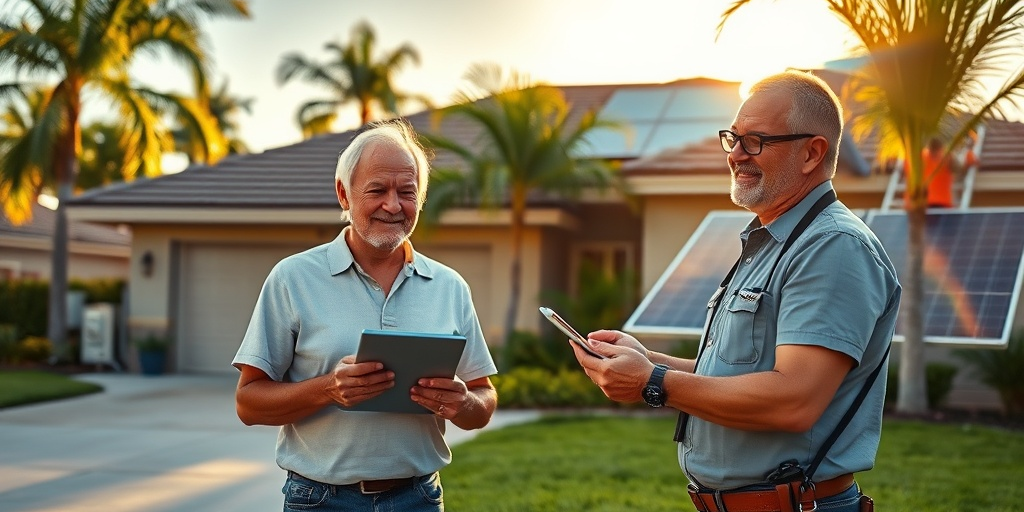
Imagine this: You’ve done your research, decided to invest in solar energy for your Florida home, and you’re thrilled about the impending savings on your electric bill. But then, the unthinkable happens. Instead of reaping the benefits of your smart investment, you fall victim to a solar scam, losing thousands of dollars in the process. This scenario might sound extreme, but unfortunately, it mirrors the reality for many unsuspecting homeowners. In fact, according to the Solar Energy Industries Association, the solar industry has seen rapid growth in Florida, but with that growth comes an increase in scams (SEIA.org). Furthermore, reports reveal that up to 33% of solar buyers face some sort of deception during the purchasing process (SolarReviews.com). This raises a crucial question—how can you ensure that your investment in solar power truly benefits you? In our article titled, Don’t Risk Losing Savings: Learn About Solar Scams to Avoid, we will guide you through identifying and avoiding these scams. As we approach 2025, with rising energy costs and evolving technology, it’s more important than ever to remain vigilant and informed. In this post, we’ll explore various ways to protect yourself, including real-life case studies, a comprehensive checklist, common myths debunked, local Florida-specific insights, and technical aspects of solar installations that you must understand. Let’s dive in!
Identifying Solar Scams: A Cautionary Tale
Meet Jessica, a Florida homeowner with dreams of reducing her carbon footprint and saving on energy costs. After seeing advertisements promising incredible savings with a quick installation process, she eagerly signed a contract with a company that seemed promising. Little did she know, she was choosing a contractor notorious for scamming unsuspecting homeowners. Within months, Jessica’s panels were installed improperly. Not only did they generate less energy than promised, but the company also vanished, leaving her stuck with costly repairs and no recourse. Her story is not unique; thousands of Floridians face similar situations every year.
To avoid heading down the same path as Jessica, keep the following checklist in mind:
- Research the Company: Look for reviews, testimonials, and ratings. Check platforms like the Better Business Bureau and Trustpilot.
- Verify Credentials: Ensure contractors are properly licensed and recognized by official agencies and organizations.
- Read the Contract Thoroughly: Understand all terms, fees, and guarantees. Beware of red flags like hidden costs.
- Get Multiple Quotes: Don’t settle for the first offer. Compare different installations and financing options.
- Consult Local Experts: A local Florida-based company, Florida Electric & Solar, can help guide you through the process and answer your questions.
In a state where solar energy production is expected to rise by over 40% by 2025 (NREL.gov), now is the time for homeowners to remain aware and educated. Don’t let myths cloud your judgment!
Debunking Common Myths: Knowledge is Power
Myth #1: “Solar panels don’t work in cloudy weather.” While it’s true that sunlight is essential for solar energy production, modern solar panels can still generate electricity even on cloudy days. In fact, many Florida homeowners have reported satisfactory energy output during overcast conditions.
Myth #2: “Solar is too expensive.” When considering the long-term savings on electric bills and tax incentives available in Florida, many homeowners find that solar can be cost-effective. The average payback period for solar panel installations in the state has decreased significantly, with many homeowners breaking even within 5 to 7 years (Energy.gov).
Myth #3: “All solar companies are the same.” Solar providers vary widely in service quality, installation expertise, and financial backing. Always ensure you research and compare multiple companies before making a decision.
Myth #4: “You can’t sell your house with solar panels.” Contrary to this belief, homes with solar installations often see increased property value. In Florida, solar panel systems have been shown to raise home values by an average of $15,000 (SEIA.org).
Myth #5: “Government incentives aren’t worth it.” In Florida, various local and federal tax credits and rebates exist, making solar more affordable than ever. Some homeowners can even access low-interest loans to help with costs.
Knowledge is your best weapon against scams! Understanding these myths empowers you to make informed decisions that could save you significant money.
5 Best Practices for a Successful Solar Installation in 2025
Enhancing your solar setup begins before the installation, during the planning phase. Here are five expert tips every Florida homeowner should follow:
- 1. Evaluate Your Energy Consumption: Begin by examining your electricity bills over the past year. Understanding your energy usage will guide you in determining how many panels you need.
- 2. Choose Quality Equipment: Not all solar panels are created equal. Focus on the brand’s reputation and warranty options. Investing in high-quality components will enhance your system’s longevity.
- 3. Use an Experienced Installer: Select a contractor who has numerous successful installations and satisfied clients. Ask for references and check their history with solar installations in Florida.
- 4. Plan for Maintenance: Regular maintenance is key to keeping your solar panels in good condition. Schedule periodic inspections to ensure everything is functioning properly.
- 5. Understand Your Financing Options: With numerous financing avenues available, it’s essential to select the option that works best for you. This could range from cash purchases to loans and leases.
Florida Electric & Solar can offer specific insights depending on your personal circumstances and help you navigate the process smoothly.
A Florida Homeowner’s Journey: The Emotional and Financial Weight of Solar
Let’s take a deeper look into the solar journey of a fictional Florida homeowner named Mark. After years of battling rising energy bills, Mark decided to invest in solar energy for his family home. He quickly realized this was a significant financial decision that would impact his future. The anxiety of picking the right contractor loomed over him like a storm cloud. Was he going to fall victim to a scam?
Mark gathered his friends and family to share their experiences, turning to local forums that discussed reputable Florida solar companies. After thorough research, he contacted a local company and scheduled a consultation. During the discussion, he learned about different systems, installation processes, and maintenance schedules. Mark felt relieved. The fear of making a hasty decision subsided as he realized the importance of continuing his research.
As he moved forward, Mark was introduced to the federal solar tax credit, which offered 26% off of his total installation cost that significantly lightened the financial burden. However, he still kept his guard up against deceptive practices.
During the installation process, Mark remained engaged, asking questions and ensuring his home was treated with respect. The installation went smoothly, and after a few months, he started noticing a drop in his energy bills, averaging $200 in savings every month. The final turning point came when Mark received an unsolicited offer from a scam company promising even more savings. Remembering Jessica’s story, he swiftly declined. However, his vigilance paid off as the savings from his solar panels allowed him to start a college fund for his children, proving that not only did he decrease his carbon footprint, but he secured financial stability for his family.
According to recent studies, homes with solar energy systems can see a 20% average reduction in energy costs (NREL.gov). Mark’s experience demonstrates how being informed, cautious, and actively participating in the decision-making process can save you thousands of dollars while enhancing your quality of life.
Next Steps for Florida Solar Buyers in 2025
Ready to take the plunge into solar? Here’s your actionable 5-step plan:
- Step 1: Audit Your Electric Bill: Review your energy consumption over the last year. This will provide clarity regarding the size and type of solar system you need.
- Step 2: Research Local Solar Providers: Utilize platforms like the Better Business Bureau and Yelp to gather insights and reviews about local solar companies.
- Step 3: Ask for Estimates: Contact multiple companies to obtain detailed quotes. Compare not only prices but the equipment and warranties offered.
- Step 4: Review Financing Options: Examine various financing avenues such as federal tax credits or local incentives. Investigate solar loans or leasing agreements that fit your financial situation.
- Step 5: Verify Your Installation Credentials: Ensure your chosen contractor is licensed and insured. Read previous client testimonials to validate their reliability.
Once you’ve completed these steps, you’ll be well-equipped to invest in solar energy without the fear of scams. For expert guidance throughout the process, reach out to Florida Electric & Solar, your trusted source for solar energy solutions.
In conclusion, as you embark on your solar journey, remember the potential pitfalls that accompany this exciting opportunity. By arming yourself with knowledge about scams and the right steps to take, you can secure your investment and maximize your savings. Transitioning to solar energy offers financial stability, environmental benefits, and peace of mind, ensuring a brighter future for both your family and our planet. Don’t wait! Take action today and ensure you have the empowering energy solution you’ve always dreamed of.
Ready to start your solar journey in 2025? Connect with a certified expert at floridaelectricandsolar.com today.
Related Articles
More insights about Solar Scams

Warning: Don’t Overlook These Solar Scams to Avoid

Don’t Miss This Critical Alert About Solar Scams

Don’t Ignore These Critical Solar Scams to Avoid
Ready to Go Solar?
Have questions about solar energy? Our experts are here to help you make the switch to clean, renewable energy.