
Don’t Risk It: Solar Scams Florida Homeowners Must Avoid
Share:
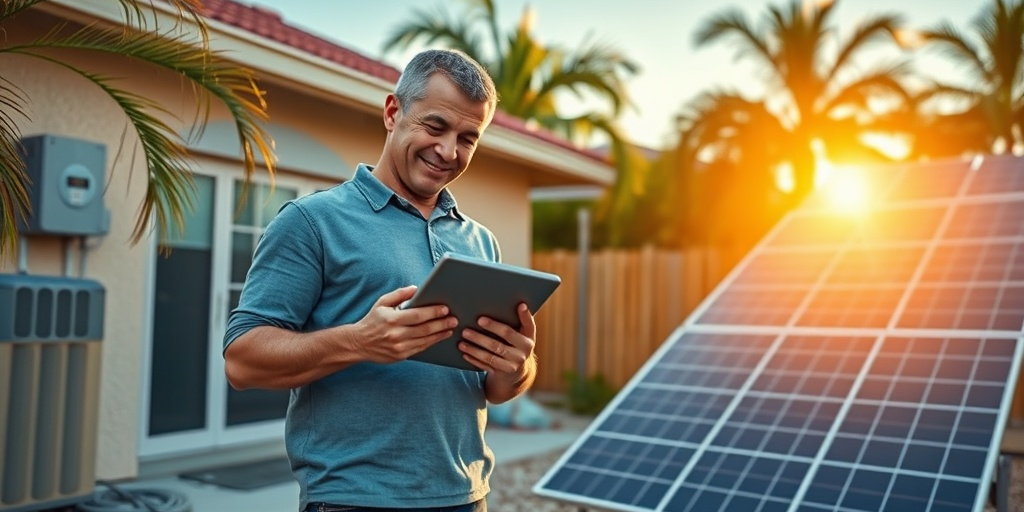
Did you know that 1 in 10 homeowners nationwide have experienced some type of solar-related scam? This alarming statistic highlights the importance of vigilance as Florida’s solar market continues to expand. In the coming years, experts predict that solar energy could power over 8 million homes across the United States (SEIA.org). However, with this growth comes the inevitable increase in deceitful practices targeting unsuspecting homeowners. In this blog post titled Don’t Risk It: Solar Scams Florida Homeowners Must Avoid, we will dig deep into the common scams that prey on Florida property owners, urging you today to remain alert and informed. It’s critical to note that as we step into 2025, rising energy prices, new incentives for solar installation, and regulatory changes make it urgent for homeowners to thoroughly vet their solar providers to avoid falling victim to scams.
As we lead into this explosive era for solar energy, it is vital to recognize the red flags that indicate fraudulent actions. We will explore a range of topics, including a compelling case study to drive home the emotional impact of scams, a checklist homeowners can use to protect themselves, common myths that need debunking, data specific to Florida’s energy landscape, and an intricate technical deep-dive that will empower you with knowledge. Stay with us to ensure that your journey toward renewable energy does not land you in the depths of deception.
Don’t Become a Victim: The Real Risks of Solar Scams
Imagine a disheartened homeowner, Jeff from Orlando, who was eager to harness solar energy to save on escalating power bills. After extensive research, Jeff encountered a “too-good-to-be-true” offer from a solar company promising he could save 75% on his utility bills overnight. Excited by the potential savings, Jeff hastily signed a contract without fully understanding the terms, ultimately falling victim to a predatory scheme. Instead of savings, he was left with mounting debts and unfulfilled promises. Such scenarios are not isolated; they are part of a growing pattern affecting many in Florida. In fact, one recent survey showed that nearly 35% of Florida homeowners felt they had received misleading information about solar power installations (SolarReviews.com).
This harrowing experience is not unique to Jeff. Many homeowners are looking to benefit from solar energy’s advantages, yet they do not fully grasp the nuances of the industry. How can you ensure you’re making informed decisions and avoid being taken advantage of? Here’s a checklist of actionable steps you can take before committing to a solar installation:
- Step 1: Research the company thoroughly. Examine their reputation by checking reviews online and verifying their certifications through reputable sources.
- Step 2: Secure multiple quotes. Compare different solar providers and ensure you understand all facets of the proposal, including installation costs and warranty details.
- Step 3: Ask for references. Speak to past customers about their experiences and the performance of their solar systems.
- Step 4: Review the contract carefully. Ensure there are no hidden clauses or additional fees that can catch you off guard.
- Step 5: Consult an expert. Before finalizing any agreements, seek advice from trusted solar consultants like those at floridaelectricandsolar.com.
Moreover, it is essential to debunk the myths proliferating around solar energy that can lead you to make uninformed decisions. For instance, Myth #1: “All solar panel systems are the same.” In reality, not all systems offer the same efficiency, and opting for cheaper products can result in increased costs in the long run due to lower energy production.
Myth #2: “You won’t save that much.” Studies illustrate that homeowners who switch to solar can save anywhere from 20% to 80% on their energy bills (Energy.gov). Myth #3: “Solar panels will damage your roof.” When installed correctly, solar panels can actually protect your roof from wear and tear, adding value to your home.
Additionally, in our sunny state of Florida, we ought to emphasize our local context. According to the Florida Office of Energy, homeowners are eligible for substantial tax credits and rebates, which can reduce the upfront costs of solar installations dramatically. However, scammers may attempt to misrepresent these incentives, leading you to believe you are getting more than what is actually offered.
Finally, as you make your way through the solar landscape, it is vital to understand the technicalities of the systems being offered. From solar panels and battery storage to inverters and billing practices, knowledge is your best defense against fraud.
With this foundation set, let us transition into exploring further elements of what you need to know as a Florida homeowner.
Understanding Your Options: Keep Your Solar Decision Informed
The first step toward successful solar adoption is awareness of available options in the market. Solar energy needs a diverse approach, and understanding these choices empowers homeowners to avoid scams and select legitimate service providers.
- Equipment Types: There are different types of solar panels, including monocrystalline, polycrystalline, and thin-film options. Each of these has its performance indications and price points (DSIREUSA.org).
- Financing Options: Without a thorough understanding of financing, you can fall victim to deceptive practices where lenders offer high-interest rates disguised as promotional rates.
- Permitting and Regulations: Familiarize yourself with the necessary permits required for installation. Many scammers neglect to inform customers about the legalities involved, leading to complications down the line.
- Incentives and Rebates: Understand the status of local, state, and federal incentives. For example, Florida homeowners can benefit from the Federal Solar Tax Credit.
As your understanding deepens, remember that it’s also important to check local regulations that can affect how you install your system. While seeking to take advantage of savings, ensure that your installation adheres to local laws. For detailed insights, consult resources like floridaelectricandsolar.com, where credible experts can provide accurate guidance.
5 Expert Solar Installation Tips for 2025
With the growing popularity of solar energy in Florida, certain best practices should guide your journey toward a successful installation. Maximizing your investment is crucial, and here are five expert installation tips to keep in mind:
- Engage a Certified Installer: Don’t skimp on quality. Ensure your installer has credentials from industry-recognized organizations like the North American Board of Certified Energy Practitioners (NABCEP).
- Conduct a Site Assessment: A reliable installer will always perform an analysis of your property before suggesting a system. This is crucial for understanding how to maximize sunlight exposure.
- Understand System Compatibility: Make sure the system you choose is compatible with existing structures on your property, including roofing materials and electrical systems.
- Consider Future Expansion: If you plan to add more panels down the line, ensure your initial system is designed to handle additional capacity.
- Inquire About Warranties: Comprehensive warranties can save you from unexpected repair costs. Check the coverage on both panels and installations.
These strategies are more than just suggestions; they are essential pillars of a robust solar adoption strategy. In a world fraught with scams, simple measures can secure your interests as you move toward solar energy.
The Solar Journey: A Homeowner’s Experience
Let’s illustrate the potential benefits and pitfalls of solar energy through the fictional journey of a Florida homeowner named Samantha. After witnessing very high utility bills each summer, she decided it was time for a change. Excited by the prospect of lower energy costs and a sustainable lifestyle, Samantha jumped online to find a reliable solar provider.
- Exploration: During her research, she encountered a plethora of options. Unfortunately, she was dazzled by aggressive marketing tactics promising the lowest prices and resembled the unrealistic offers she had heard about in advertisements.
- Examination: Realizing she needed a second opinion, she consulted an expert who enlightened her on the actual costs and the importance of quality over price.
- Decision: Armed with this newly acquired knowledge, Samantha methodically evaluated multiple company bids, ultimately selecting one known for reliability and stellar customer service.
- Implementation: Installation day came with appropriate precautions taken. Understanding the various components and why they were being placed in specific locations made her feel more secure in her decision.
- Reward: After installation, Samantha watched her electric meter spin backward. She not only felt a sense of accomplishment but also realized the long-term savings over many years. Additionally, she was successful in recommending her provider to friends and family.
Samantha’s path illustrates the value of informed decision-making and how vigilance against scams ultimately led to genuine success. Her experience is a testament to what can be achieved when homeowners prioritize education and due diligence.
Next Steps for Florida Solar Buyers in 2025
As you stand on the brink of a significant transition toward solar energy, understanding the next steps can secure your investment and minimize risks. Here’s a concise action plan tailored for Florida homeowners moving toward solar:
- Step 1: Audit Your Electric Bill: Start by understanding your current energy usage. Analyze your bills for usage patterns and peak consumption times.
- Step 2: Research Local Providers: While it’s tempting to narrow your focus to just a few options, exploring your market will reveal trustworthy providers and give you a baseline for pricing.
- Step 3: Schedule Consultations: Engage with multiple companies to gather a variety of proposals. Ask concerns, verify credentials, and inquire about warranties.
- Step 4: Review Your Financing Options: Consider the implications of loans, leases, and purchases before committing to a financing plan. Ensure it aligns with your budget.
- Step 5: Dispel Misinformation: As you go through this process, keep an eye out for myths or misleading claims. Knowledge is power in your solar journey.
Florida’s transition to solar energy is in your hands. By taking these steps and remaining vigilant, you can avoid falling victim to scams and instead reap the rewards of solar energy.
In conclusion, becoming solar-savvy is essential as we enter 2025. The impending changes and escalating energy prices demonstrate that it’s urgent for Florida homeowners to be proactive. Understanding what scams to avoid, how to authenticate providers, and engaging in knowledgeable conversations will serve you well in your journey towards energy independence. Let your experience reflect the true success of renewable energy—free from deception and filled with savings.
Ready to start your solar journey in 2025? Connect with a certified expert at floridaelectricandsolar.com today.
Related Articles
More insights about Solar Scams

Warning: Don’t Overlook These Solar Scams to Avoid

Don’t Miss This Critical Alert About Solar Scams

Don’t Ignore These Critical Solar Scams to Avoid
Ready to Go Solar?
Have questions about solar energy? Our experts are here to help you make the switch to clean, renewable energy.