
Essential Insights on Solar Panel Installation Financing Options
Share:
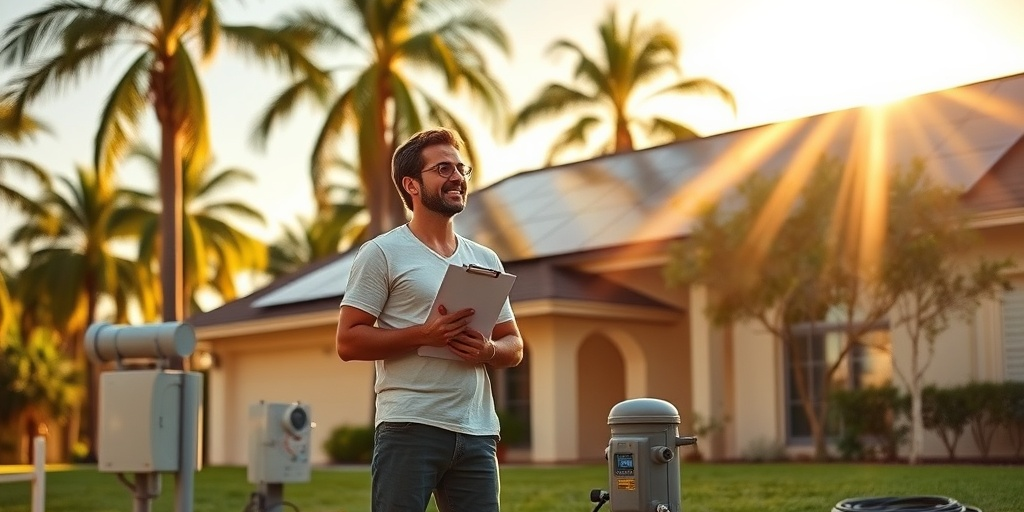
Did you know that in 2022 alone, solar energy helped offset nearly 154 million tons of greenhouse gases in the United States? You might be surprised to learn that Florida ranks in the top five states for solar installations, driving this trend towards cleaner energy and sustainable growth. The boost in solar energy adoption is about more than just going green; it’s a powerful investment opportunity for Florida homeowners and commercial property owners alike. In this piece, titled Essential Insights on Solar Panel Installation Financing Options, we will explore various financing strategies that can help homeowners capitalize on this rapidly expanding market. With rising energy costs and numerous new incentives expected by 2025, now is the perfect time to consider your options. According to a report by SEIA, Florida has seen more than a 50% increase in solar capacity in recent years, reflecting a growing trend towards sustainable energy solutions. This is why understanding financing options for solar panel installation is urgent as we approach 2025. Here’s what you can expect in this article as we delve into five crucial sections: an angled deep dive into the benefits of financing options, a checklist for choosing the right financial plan, common myths debunked, best practices for solar installation, and an action plan tailored specifically for Florida solar buyers.
Unlocking the Value of Solar Panel Installation Financing Options
Imagine Joe and Maria, Florida residents who were overwhelmed by their rising electric bills. Every summer, they watched as costs soared due to surging temperatures and increased air conditioning usage. A few months ago, they decided it was time to explore solar energy options. They reached out to Florida Electric & Solar, and after a thorough consultation, they realized that solar panel installation financing options could fit comfortably into their budget without sacrificing their financial stability.
They opted for a solar loan that allowed them to take ownership of their system immediately. Because their solar panels would start generating energy instantly, they were able to see a decrease in their electric bill from day one. With help from the federal tax credit and state incentives, Joe and Maria were able to recoup a significant portion of their installation costs—an experience that many Florida homeowners find transformative.
When considering solar panel installation options, it’s crucial to explore the various financing paths available, including solar loans, leases, and power purchase agreements (PPAs). The right solution can not only help you immediately reduce your energy expenses, but it can also offer remarkable long-term savings. Here is a checklist to steer you in the right direction:
- Step 1: Determine your budget and how much you can invest initially.
- Step 2: Research available state and federal incentives.
- Step 3: Compare solar loan rates from multiple lenders.
- Step 4: Evaluate leasing versus purchasing options.
- Step 5: Consult with solar experts to understand the long-term benefits.
By following these steps, you’ll gain a better understanding of how to finance your solar project effectively. Interestingly, Florida homeowners can benefit from a growing array of incentive programs, including a state sales tax exemption for solar energy systems and federal tax credits that can total up to 26% of project costs (Energy.gov). The expansion of solar power options and finances makes it an attractive investment for homeowners looking to take control of their energy needs.
10 Financing Options to Compete with Rising Energy Costs
Financing solar panel installation is not just a financial necessity; it’s a strategic move to safeguard against rising utility costs. Here are ten financing options that can help Florida homeowners achieve their goal of installing solar energy systems:
- 1. Solar Loans: These loans are specifically designed to help homeowners purchase solar panels. Most loans offer low-interest rates, allowing for a quick return on investment through energy savings.
- 2. Home Equity Loans: By utilizing the equity built up in your home, this financing option provides significant cash for solar purchases at lower rates compared to unsecured loans.
- 3. Solar Leases: This option allows homeowners to lease solar panels for a fixed monthly rate, which is often lower than their monthly electricity bills.
- 4. Power Purchase Agreements (PPAs): Instead of paying for the solar panels, you agree to buy the energy generated by the system at a set price. This option minimizes upfront costs while allowing you to benefit from solar energy.
- 5. Cash Purchases: Although the highest initial payment, buying your panels outright provides the quickest path to savings and potential profits.
- 6. Federal Solar Tax Credit (ITC): This credit allows you to deduct a significant percentage of the cost of installing a solar energy system from your federal taxes.
- 7. State Incentives: Florida offers several incentives, including rebates and sales tax exemption, helping homeowners to substantially lower their overall project cost.
- 8. Local Utility Programs: Many utility companies offer rebates or special financing programs for solar systems installed within their service area, aiding homeowners in reducing costs further.
- 9. Green Bonds: Specifically designed for financing environmentally beneficial projects, these bonds can be used for solar installations to attract socially-conscious investors.
- 10. Crowdsourced Financing: Platforms that allow individuals to pool financial resources can facilitate the funding of solar projects that might otherwise be out of reach for the average homeowner.
According to Solar Energy Industries Association (SEIA), the cost of solar has dropped over 70% since 2010, making solar power more accessible to all (SEIA.org). Yet, even with these costs on the decline, financing remains a vital avenue for homeowners looking to transition to solar energy without financial strain. Assessing financing options is essential for you to understand how to maximize savings while maintaining financial health.
5 Common Solar Installation Myths Debunked
If you’re contemplating solar energy, it’s likely you’ve encountered several misconceptions. Here are five prevailing myths regarding solar panel installation financing options, along with the truth behind each of them:
- Myth #1: Solar energy is too expensive to install.
The costs have decreased significantly. On average, homeowners will save about 50% on their electricity costs after installation (SolarReviews.com). - Myth #2: I’m not eligible for incentives.
Many financial incentives, including state and federal programs, are available for all homeowners, making transitioning to solar more manageable than ever. - Myth #3: Solar panels require too much maintenance.
Solar panels are incredibly low-maintenance and include warranties that typically cover them for 25 years or more. - Myth #4: Renting or leasing is always the best option.
Although leasing is a solution for some, purchasing your solar system outright often ends with better savings in the long run. - Myth #5: Solar energy is ineffective on cloudy days.
While solar panels are less efficient in cloudy conditions, they still generate power, especially in Florida where sunlight is abundant on most days.
The presence of these myths highlights the need for accurate information dissemination. By debunking these misconceptions, potential solar homeowners can make informed decisions and optimize their investment. Particularly for residents of Florida, there’s an opportunity to capitalize on sun exposure while saving money over time.
5 Expert Solar Installation Tips for 2025
Considering solar installation isn’t merely a financial decision; it’s an opportunity to embrace sustainability while reaping financial benefits. To maximize your solar investment, consider these expert tips:
- 1. Conduct an Energy Audit: Before installing solar panels, evaluate your current energy consumption. This will help you determine the size and power requirements of your solar system.
- 2. Optimize Panel Placement: Ensure solar panels are installed in locations with the maximum amount of sunlight throughout the day, reducing the energy consumption from the grid.
- 3. Research Financing Options: Compare various financing alternatives, as choices like solar loans or PPAs could significantly alter your potential savings.
- 4. Consult with Professionals: Engage with solar energy consultants who understand Florida’s energy landscape, local laws, and incentives to guide you through the process.
- 5. Plan for the Future: Evaluate whether you may want to add battery storage for backup power when required or if you’re planning on expanding your home in the future.
According to recent findings, solar energy has been a game-changer for Florida homeowners, incentivizing smart investments and offering tangible savings through customized energy solutions (Energy.gov). Being well-informed can make all the difference in the effectiveness of your solar journey. Implementing these sage tips can help you transform your energy challenges into opportunities.
Next Steps for Florida Solar Buyers in 2025
If you’re ready to leap into solar energy, here’s a practical action plan to navigate the installation journey effectively:
- Step 1: Audit Your Electric Bill – Understanding your energy profile helps determine what size system you need.
- Step 2: Calculate Potential Savings – Use online calculators to estimate your savings based on your solar configuration.
- Step 3: Research Local Incentives – Familiarize yourself with state incentives that can reduce your overall system cost (SEIA.org).
- Step 4: Get Multiple Quotes – Always obtain estimates from at least three different solar providers to ensure competitive pricing.
- Step 5: Connect with Experts – Reach out to certified teams like floridaelectricandsolar.com to get tailored recommendations based on your needs.
By following these well-structured next steps, you’re not just getting ahead in the solar game; you’re securing a sustainable energy future for your home or business. Making informed decisions guides you in maximizing your solar investment, leading to significant long-term benefits.
As we wrap up this comprehensive guide, it’s clear that investing in solar energy is not only a vote for sustainability but also a smart financial move, especially in the context of surging energy costs and the abundance of state incentives in Florida. Whether you’re inspired by stories like Joe and Maria’s or excited by the data on solar adoption, your decision to go solar in 2025 matters. It is an investment not only in your home but in the future of our planet.
Ready to start your solar journey in 2025? Connect with a certified expert at floridaelectricandsolar.com today.
Related Articles
More insights about Solar Panel

Florida Homeowners: Why Solar Panel Maintenance Is Essential

7 Essential Steps for Solar Panel Installation Success

Expert Insights: Key Factors Influencing Solar Panel Lifespan
Ready to Go Solar?
Have questions about solar energy? Our experts are here to help you make the switch to clean, renewable energy.