
Essential Insights on Solar Panel Lifespan for Florida Homeowners
Share:
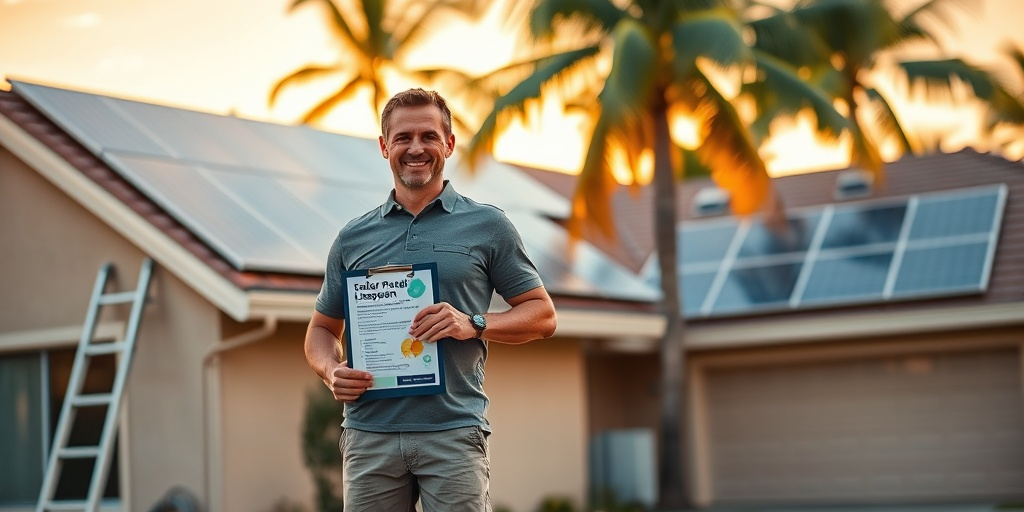
As the sun blazes in the vibrant Florida sky, homeowners across the state are discovering a potent ally in solar energy. In fact, a staggering 1 million solar installations are projected in Florida, highlighting a growing realization: solar energy isn’t just a trend; it’s a transformative solution for rising energy costs and environmental sustainability. With this trend, understanding the essential insights on solar panel lifespan for Florida homeowners has never been more critical. The longevity of solar panels plays a pivotal role in determining the value of your investment, especially with recent reports indicating that solar power systems can last upwards of 25 years (Energy.gov), and the average ROI from durable systems is over 15% (SolarReviews.com). In 2025, with new federal incentives and advancements in technology on the horizon, educating yourself about solar panel longevity could mean substantial savings and energy independence for you and your family.
This blog will delve into five critical aspects regarding the lifespan of solar panels: a deep dive into homeowners’ experiences; a well-structured checklist for evaluating your solar options; busting myths surrounding solar longevity; a spotlight on Florida-centric data and policies; and an in-depth technical exploration of the components involved. By the end, you will have a comprehensive understanding of how to optimize your solar investment and be prepared to harness the full potential of your solar power system.
Why Solar Panel Lifespan Matters: A Deep Dive
Imagine the Johnson family, who, living in Jacksonville, recently installed solar panels on their roof to escape the rising costs of electricity. Initially skeptical, they calculated their electric bills and realized they were spending over $200 a month. They made the investment, and now, after several months, they’re reaping the benefits. Their panels, rated for a lifespan of 25 years, not only promise significant savings—but can return over $30,000 in energy costs over their lifetime (SEIA.org). What makes this story even sweeter is that the family is now contributing to a cleaner environment while building equity in their home. By understanding how long solar panels last, they made a decision that empowers their family’s finances for decades to come.
If you’re a Florida homeowner contemplating solar energy, it’s crucial to assess the following checklist to ensure you maximize your investment:
- Research Panel Quality: Not all panels are created equal. Look for those with high efficiency ratings and a solid warranty of at least 25 years.
- Understand Installation Practices: Effective installation is essential to optimize your panels’ performance. Engage with certified professionals who follow best practices.
- Monitor Regularly: Habitual monitoring of your system’s output will help detect any anomalies, ensuring your panels are working efficiently throughout their lifespan.
- Stay Updated on Incentives: Tax credits and local rebates can significantly influence your solar journey, making it crucial to keep abreast of legislative changes in Florida.
- Consider Battery Storage: For full energy independence, investing in a robust battery system allows you to store energy generated during the day for use at night or during outages.
However, there are myths circulating regarding the lifespan of solar panels. Here are a few common misconceptions worth busting:
Myth #1: Solar Panels Only Last About 10 Years
Many people are misled to believe that solar panels quickly degrade. Modern panels, on the other hand, typically last over 25 years due to advancements in technology and materials.
Myth #2: Solar Panels Stop Working After Their Warranty Expires
While warranties often last around 25 years, solar panels continue to function beyond that period, albeit with a slight efficiency reduction. Most retain about 80% of their efficiency even after 25 years (NREL.gov).
Myth #3: Installing Solar Panels Is Too Expensive
With various financing options, federal incentives, and Florida’s resultant energy savings, the long-term benefits of solar often outweigh the initial investment. These factors contribute to an impressive ROI (SolarReviews.com).
In addition to understanding these myths, let’s shift focus to some key statistics relevant for Florida homeowners. For example, Florida ranks currently as the third-largest solar market in the United States, with approximately 5.6 million residents benefiting from solar energy (SEIA.org). However, as new policies and upgrades are anticipated in 2025, this figure is projected to escalate, making now the ideal time for homeowners to say “yes” to solar.
In conclusion, understanding the factors that impact solar panel longevity could dramatically benefit Florida homeowners in their quest for reduced electric bills and an eco-friendly lifestyle. Coupling quality systems with informed decision-making enables families like the Johnsons to embrace their energy independence with confidence.
Understanding Your Solar System’s Lifespan: Essential Aspects
The longevity of a solar power system encompasses multiple components, from the panels themselves to the inverters and batteries. In this section, we’ll provide a detailed breakdown of essential elements influencing your solar system’s lifespan:
- Solar Panels: Primarily defined by the materials used in their construction and technology, high-quality solar panels have warranties typically spanning 25 years and can last over 30 years with proper care (Energy.gov).
- Inverters: Often the weakest link in a solar system, inverters convert DC electricity generated by the panels into the AC electricity used in your home. They generally last 5 to 15 years, so consider replacing them at least once during your system’s lifecycle.
- Batteries: If you choose to incorporate storage solutions, understand that batteries usually possess a lifespan of roughly 5 to 15 years depending on their use and technology.
- Installation Quality: Qualified installers are key in ensuring your solar panels perform well over time. Poor installations can lead to unexpected damage and degradation.
- Maintenance: While solar panels require minimal maintenance, periodic cleaning and inspections can ensure they function optimally throughout their lifespan.
Statistically speaking, 90% of solar panel degradation occurs in the first few years after installation (SEIA.org), making the initial setup and equipment quality crucial in determining their performance longevity.
As you consider your options, remember that the solar journey begins with an informed choice. Engage with reputable solar installers to assess which systems best fit your needs. For tailored advice on going solar, visit floridaelectricandsolar.com to explore customized solutions.
5 Expert Solar Installation Tips for 2025
If you’re contemplating solar energy, remember that installation is among the most critical steps. Proper installation optimizes efficiency and maximizes your system’s lifespan. Here are five expert tips to guide your installation process:
- Choose the Right Location: Position your solar panels to capture maximum sunlight. South-facing roofs are typically ideal in Florida, but the unique characteristics of your property may dictate alternative orientation.
- Prioritize Quality Over Cost: Opt for high-efficiency solar panels and reliable inverters. Lower upfront costs can lead to higher long-term expenses if the system underperforms.
- Don’t Skimp on Installation: Hiring certified installers ensures that your panels are installed correctly, which significantly affects their performance and longevity.
- Plan for Permitting: Understand local building codes and permitting processes. Having everything in order beforehand can streamline the installation and reduce potential delays.
- Install Monitoring Systems: Monitoring systems allow you to assess output and detect issues early, ensuring maximum efficiency throughout your system’s lifespan.
A study found that Florida homeowners who engage qualified solar professionals see their energy production increase by an average of 20% (NREL.gov). Combining best practices during installation with ongoing monitoring ensures you enjoy the benefits of solar energy for years to come.
For additional resources on solar installation, explore floridaelectricandsolar.com.
A Realistic Solar Journey: The Smiths’ Experience with Solar Power
Meet the Smiths, a fictional yet relatable family residing in Miami, who recently decided to invest in solar energy. After facing escalating energy costs, they made the leap toward sustainability and self-reliance. Their journey can serve as a case study for any Florida homeowner considering solar energy.
- Assessment of Needs: The Smiths reviewed their energy consumption and concluded that an 8kW solar system would suit their needs, enabling them to reduce their electric bill significantly.
- Investigation of Incentives: They explored various state and federal incentives that helped offset installation costs, making their investment more feasible.
- Professional Consultation: Engaging with a certified installer provided them with clarity on panel options, warranties, and installation details. The family signed a contract knowing they were working with qualified experts.
- Execution: The installation took just a couple of days. Their new system was operational in no time, and they felt pride in contributing to the environment’s welfare.
- Ongoing Monitoring: They installed a monitoring system, allowing them to track energy output and savings, ensuring optimal efficiency for years to come.
In fact, the Smiths now enjoy an estimated $150 monthly savings on their electric bills, which translates to about $1,800 annually. With a 25-year life expectancy for their solar panels, the Smiths are set to save more than $45,000 over the system’s lifespan (SEIA.org). Beyond financial benefits, they contribute to reducing their carbon footprint, embodying a sustainable lifestyle.
By analyzing the Smiths’ journey, other Florida homeowners can envision their path to solar energy. Remember, every individual’s experience will differ, but what remains constant is the potential for significant savings and a greener tomorrow.
Next Steps for Florida Solar Buyers in 2025
As we wrap up this journey through the insights on solar panel lifespan for Florida homeowners, it’s vital to focus on action steps if you’re ready to embrace solar energy:
- Audit Your Electric Bill: Begin by understanding your current energy consumption and costs to determine how much you could potentially save with solar.
- Research Solar Options: Dive into available panel types, inverters, and integration options like battery storage to evaluate what will work best for your home.
- Consult with Experts: Connect with certified solar consultants who can provide tailored advice and identify available incentives to maximize your savings.
- Installation Planning: Collaborate with your chosen installation team to schedule the installation at a convenient time while ensuring all necessary permits are secured.
- Monitor Your System: Implement a monitoring solution to gain insights into energy production and performance, while tracking savings as you enjoy your new solar power system.
By following these steps, you can simplify the transition to solar, minimizing uncertainties and maximizing your investment potential. For additional guidance on navigating the solar landscape in Florida, visit floridaelectricandsolar.com.
In conclusion, optimal knowledge of solar panel lifespan is essential for Florida homeowners eager to make informed decisions in 2025. By understanding the longevity of your investment, the best practices for installation, and being aware of real homeowner experiences, you can embrace a sustainable future with confidence. Everyone’s journey is unique, but the rewards of solar energy remain universal—lower electric bills, increased home value, and a commitment to caring for our planet.
Ready to start your solar journey in 2025? Connect with a certified expert at floridaelectricandsolar.com today.
Related Articles
More insights about Solar Panel

Florida Homeowners: Why Solar Panel Maintenance Is Essential

7 Essential Steps for Solar Panel Installation Success

Expert Insights: Key Factors Influencing Solar Panel Lifespan
Ready to Go Solar?
Have questions about solar energy? Our experts are here to help you make the switch to clean, renewable energy.