
Essential Insights on Solar Panel Lifespan for Florida Homeowners
Share:
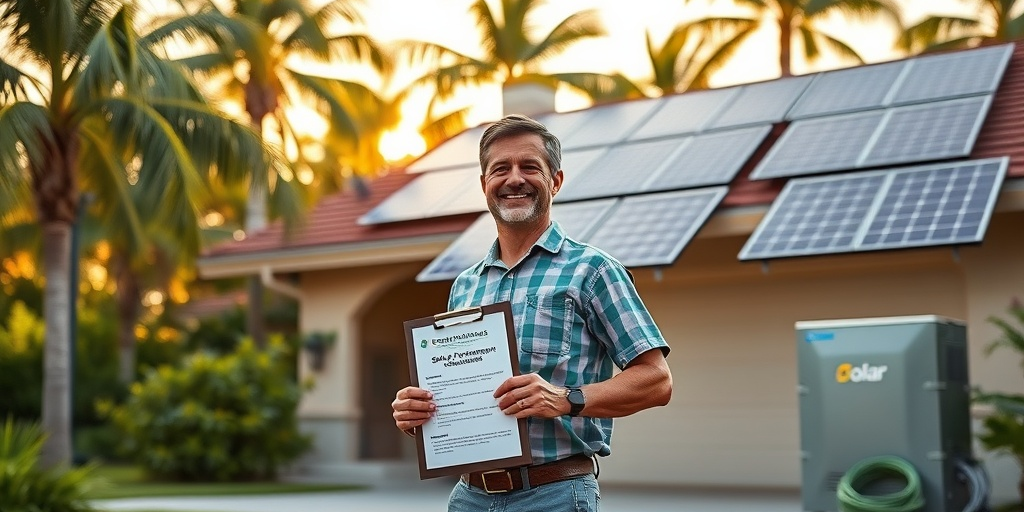
In sunny Florida, the sweltering heat and rising energy costs make solar power a beacon of hope for homeowners and business owners alike. Did you know that Florida ranks third in the U.S. for solar energy production? As energy bills continue to climb, more residents are considering the switch to solar. In fact, according to the Solar Energy Industries Association, the Sunshine State will see a significant solar capacity increase in the coming years (SEIA.org). The real question isn’t whether solar is a good investment—it’s about understanding the intricacies involved, particularly the longevity of solar panels. This is the crux of our discussion in this article titled Essential Insights on Solar Panel Lifespan for Florida Homeowners. As we dive deeper into this topic, we’ll explore not just how long solar panels last, but what that means for your investment, maintenance, and the future of energy in Florida as we approach 2025.
Why does the lifespan of solar panels matter, especially now? With new solar incentives being rolled out in 2025, understanding the longevity of your investment has never been more critical. In Florida, solar panels can last anywhere from 25 to 30 years, depending on various factors including maintenance, installation quality, and technology (Energy.gov). This longevity directly impacts your return on investment; longer-lasting panels mean greater savings and more energy independence. Throughout this article, we will cover the following five main sections:
- The Ins and Outs of Solar Panel Lifespan—Explore case studies and technical details.
- Top Considerations Before Investing in Solar—A comprehensive checklist of what to ponder.
- Common Myths About Solar Panel Lifespan—Debunking misconceptions.
- Why Florida is Ideal for Solar Energy—Grasping the local benefits.
- Steps to Ensure Your Solar Investment Lasts—Best practices for maintenance and care.
By the end of this article, you will be armed with the knowledge needed to make informed decisions when considering solar energy for your home.
Understanding Solar Panel Lifespan: What Florida Homeowners Need to Know
To truly grasp the significance of solar panel lifespan, let’s dive deeper into the technology and real-life implications surrounding it. Picture a family in Miami who decided to invest in solar panels a few years ago. Initially skeptical about the cost, they took the plunge when they learned about available rebates and tax credits, leading to lower energy bills. Fast forward to today; the family not only enjoys reduced electric costs but has also significantly increased the value of their home. Their solar panels are performing well past the expected 25-year lifespan thanks to regular maintenance and quality installation.
Here’s a checklist of essential factors every homeowner should consider about solar panel lifespan:
- Manufacturers and Warranty: Typically, solar panel warranties range from 25 to 30 years. This is a good indicator of the panel’s expected lifespan. Top manufacturers often provide warranties that reflect the quality and durability of their products.
- Installation Quality: Proper installation is critical. Hire experienced professionals to ensure that your solar system is set up correctly, as poor installation can lead to premature system failure.
- Regular Maintenance: Keeping your panels clean and free from debris maximizes their effectiveness. Regular inspections can help identify potential issues before they escalate.
- Location Specifics: Florida’s sunny climate is ideal for solar energy, but localized weather events—like hurricanes—can impact panel longevity. Investing in robust panels that can withstand such conditions is crucial.
- Technological Advances: Solar technology is ever-evolving. Newer solar panel models can offer improved lifespans and efficiencies compared to older systems.
With an average lifespan often stretching to 30 years, the family’s initial investment continues to pay off—and remarkably—over time, the efficiency rate of solar panels does decrease, but not to a level that would render them useless (SolarReviews.com).
Additionally, let’s debunk some common myths surrounding solar panel lifespan:
Myth #1: Solar Panels Only Last a Few Years
This misconception is unfounded. Most premium solar panels are built to last at least 25 years, with many even going beyond that with the right maintenance (NREL.gov).
Myth #2: Solar Panel Efficiency Drops Dramatically Over Time
While panel efficiency does reduce gradually, it’s typically around 0.5% per year, which means even after 25 years, panels can operate at nearly 80% efficiency.
Myth #3: All Panels Have the Same Lifespan
Different panels vary in quality and materials. It’s essential to choose robust and reputable brands that have proven longevity.
Myth #4: Maintenance Isn’t Necessary
Regular maintenance is crucial to ensuring your panels remain operational and effective. Without it, dirt, grime, and small damages can negatively affect performance.
Myth #5: Florida’s Climate is Too Harsh for Solar Panels
On the contrary, Florida’s sunshine provides one of the best environments for solar energy generation, making it an ideal location for solar investments.
As we examine local factors, it’s crucial to highlight that Florida offers unique advantages for solar homeowners. For example, the Florida Solar Rights Act safeguards homeowners wishing to install solar panels, ensuring no HOA can refuse your solar installation (DSIREUSA.org). Additionally, Florida has several competitive financing options tailored for solar projects which can mitigate upfront costs further.
Understanding the factors affecting solar panel lifespan in Florida—including technology, maintenance, and local regulations—can empower homeowners. However, let’s transition into our next section which outlines the essential steps you shouldn’t overlook before investing in solar.
Top Considerations Before Investing in Solar
What you don’t know about solar energy can cost you. Before making this significant investment, it’s essential to weigh your options carefully, so here’s a comprehensive checklist for Florida homeowners.
- Step 1: Assess Your Energy Needs—Review your energy bills for the past year to determine your average usage. Understanding your energy consumption helps shape the size and capacity of your future solar system.
- Step 2: Evaluate Your Roof Condition—It’s vital to ensure your roof is in good condition before installation. Any need for repairs should be addressed to maximize the longevity of your solar panels.
- Step 3: Research Solar Incentives—Stay informed about state and federal solar incentives available for 2025. Tax credits can offset installation costs significantly.
- Step 4: Choose a Reputable Installer—Partnering with a qualified solar company ensures your installation meets local regulations and is executed correctly for maximum efficiency.
- Step 5: Examine Financing Options—Explore financing plans that suit your budget whether it’s through loans, leases, or Power Purchase Agreements (PPAs) for your solar energy system.
For more insights on financing your solar project, refer to floridaelectricandsolar.com.
Additionally, understanding the financial aspects tied to solar investment is paramount. Florida homeowners can benefit from federal solar tax credits amounting up to 26% of the system cost. This incentive, coupled with zero-down financing, can dramatically reduce your financial burden. Make sure to consult with a local professional to realize the best financial strategy tailored to your needs.
Next, let’s tackle some of the prevalent myths about solar panel lifespan that often deter potential solar adopters. It’s important to dispel these misconceptions to pave the way for broader solar adoption in Florida.
Common Myths About Solar Panel Lifespan
The world of solar energy is rife with myths and misconceptions. Understanding the truth about these claims can empower consumers and lead to more informed decisions. Let’s dispel the myths surrounding solar panel lifespan with clear evidence.
Myth #1: Solar Panels Are Not Worth the Investment
Many skeptics believe the upfront costs overshadow the long-term benefits. However, considering the rise in energy prices and available government incentives, the financial forecast favors investing in solar, particularly in sunny Florida. Homeowners can save thousands in electric bills over the lifespan of their solar systems.
Myth #2: Panels Quickly Lose Efficiency
According to data from the National Renewable Energy Laboratory, solar panels degrade at a slow rate. Most studies indicate that after 25 years, solar panels will still produce approximately 80% of their original capacity (NREL.gov). This gradual decline should not dissuade investment in these systems.
Myth #3: Solar Panels Require Constant Care
While occasional maintenance is important, solar systems are generally reliable with little required effort. Most homeowners find periodic cleaning sufficient to maximize performance. The key is to monitor your system’s output regularly and address any issues quickly.
Myth #4: Solar Cannot Work in a Cloudy Climate
Despite Florida’s occasional storms and cloudy days, photovoltaic solar systems still perform effectively. Interestingly, solar panels can harness energy even in overcast conditions, making them well-suited for the Florida climate.
Myth #5: Solar Systems Cost More Than Traditional Power
Initially, the installation of solar systems can seem high. However, the long-term savings, coupled with available incentives, demonstrate solar often results in lower overall energy costs when averaged over decades.
Now that we’ve dismantled these myths, let’s focus on why Florida is an ideal setting for solar energy, and why homeowners should seize this opportunity.
Why Florida is Ideal for Solar Energy
Florida’s climate and regulations create a perfect storm for solar power investment. Homeowners are drawn by the year-round sun and the unique opportunities within the market. Here are standout advantages for solar projects specific to Florida:
- High Solar Potential: Given its position, Florida receives abundant sunlight, and the state’s solar potential is immense. The state’s solar panels receive around 5.5 to 6.5 hours of peak sunlight per day, falling among the top states for solar performance.
- Incentive Programs: Florida offers various financial incentives to encourage solar adoption. Through net metering policies, homeowners can sell excess energy back to the grid, effectively reducing their bills and providing an additional income stream.
- Stable Energy Rates: Florida has relatively stable energy prices, meaning switching to solar can lock in lower rates over time while providing financial security against rising utility fees.
- Strong Local Support: Florida has robust community awareness and support for solar initiatives, evident in the increasing number of community solar projects and local candidates advocating renewable energy legislation.
By understanding these advantages and preparing for the inevitable shifts in the energy landscape, Florida homeowners are well-positioned to invest in solar. According to recent statistics, 60% of Florida voters believe in the power of solar energy as the future of energy solutions in our state (SolarReviews.com). The key to capitalizing on this momentum lies in taking supportive steps moving into 2025.
In our final section, we’ll provide a tangible action plan to ensure your solar investment lasts, safeguarding your family’s future and financial health.
Next Steps for Florida Solar Buyers in 2025
Taking the plunge into solar energy is an expansive yet rewarding journey. For Florida homeowners, planning and executing the right next steps will guarantee that your solar investment thrives for years. Below is an actionable plan to help you tackle this process effectively:
- Step 1: Audit Your Electric Bill—Understanding your average monthly energy costs will help determine your solar energy needs and financial commitment.
- Step 2: Investigate Local Solar Programs—Research available incentives and programs to offset upfront costs and maximize savings in Florida.
- Step 3: Consult an Expert—Engage a certified solar expert to assess your property and guide you through system design tailored to your specific needs and location.
- Step 4: Plan for Maintenance—Schedule routine assessments and maintenance to ensure peak performance. Set reminders for maintenance checks every 6 to 12 months.
- Step 5: Stay Informed—Regularly review your solar energy system’s performance and stay updated about policy changes, new incentives, and technological advances.
For deeper insights and assistance with your solar investments, it’s beneficial to visit floridaelectricandsolar.com. Their experienced team specializes in helping Florida homeowners navigate solar energy options, ensuring you maximize benefits and savings.
In conclusion, investing in solar power is not just a financial decision; it’s an investment in your home, family, and future. As you consider going solar, understanding the lifespan of your solar panels and taking proactive steps is crucial to ensuring long-term gains. With climate challenges looming and energy costs climbing, the urgency to embrace solar technology in 2025 cannot be overstated. Your investment today may unlock a more stable, cost-effective, and sustainable energy future.
Ready to start your solar journey in 2025? Connect with a certified expert at floridaelectricandsolar.com today.
Related Articles
More insights about Solar Panel

Florida Homeowners: Why Solar Panel Maintenance Is Essential

7 Essential Steps for Solar Panel Installation Success

Expert Insights: Key Factors Influencing Solar Panel Lifespan
Ready to Go Solar?
Have questions about solar energy? Our experts are here to help you make the switch to clean, renewable energy.