
Expert Insight: Critical Factors for Solar Panel Installation Efficiency
Share:
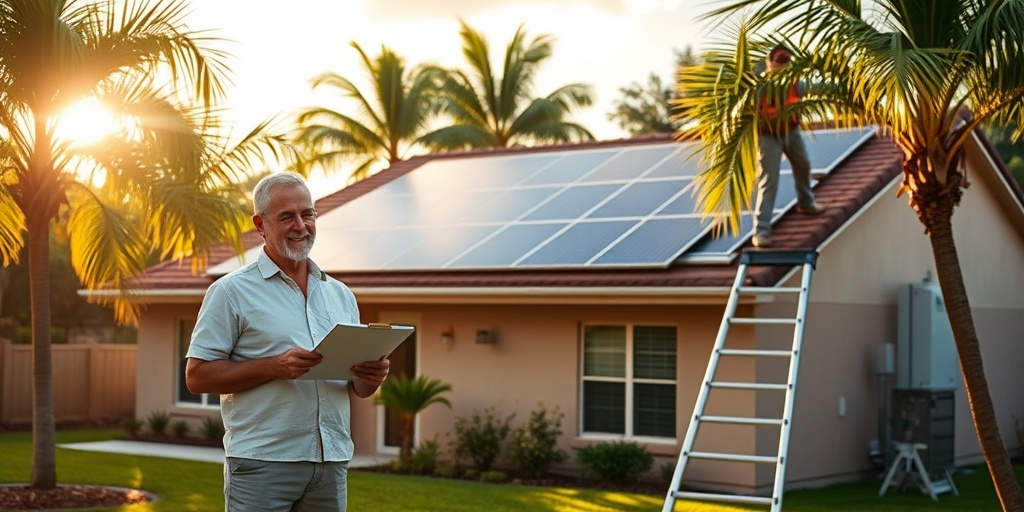
Every year, thousands of Florida homeowners embark on the journey to energy independence with solar power. In fact, the Sunshine State ranks among the top in the nation for solar installations, with over 260,000 homes harnessing the sun’s energy as of 2023 (SEIA.org). Yet, amidst this growth, many still question: what truly makes for an efficient solar panel installation that maximizes both performance and savings? In our article titled Expert Insight: Critical Factors for Solar Panel Installation Efficiency, we will delve into this pivotal question that can shape the experience of every solar buyer in Florida. As energy costs continue to rise, and groundbreaking solar incentives emerge in 2025, understanding the nuances of efficient installation has never been more pressing.
Did you know that homeowners who opt for robust solar systems can shave off nearly 90% from their electric bills by 2030 (Energy.gov)? This means an upfront investment in the right installation techniques could yield significant savings in the long run. As we move forward, it’s essential to address the five critical factors impacting solar panel efficiency. First, we will share a case study from a Florida homeowner who successfully navigated the solar landscape. Second, a practical checklist of actionable steps for prospective solar buyers will follow. We’ll then debunk some common myths surrounding solar energy that confuse many potential adopters. Fourth, we will anchor our discussion with Florida-specific insights, and lastly, we will offer a technical deep-dive into the mechanics of solar systems. By the end of this article, you will have a comprehensive understanding of how to embark on your renewable energy journey effectively.
Understanding Solar Panel Efficiency: A Deep-Dive Case Study
Let’s start with the story of Julie, a central Florida homeowner, who installed solar panels on her home in 2024. Faced with soaring electric bills after the summer heat wave, Julie decided to explore solar. The decision wasn’t just about cutting costs; she wanted to invest in an environmentally friendly energy source that would benefit her community.
After conducting thorough research, she discovered that different installation practices could significantly impact her solar system’s efficiency. **Step one** was selecting a reputable solar installation company. Here are the criteria she used:
- Check for certifications and industry experience.
- Evaluate customer testimonials and ratings.
- Compare warranty offerings and post-installation support.
Julie narrowed her choices down to a local firm known for its stellar reputation among Florida homeowners. They educated her on the importance of solar panel orientation and placement, maximizing sunlight exposure throughout the day. They told her that even a small deviation in angle could reduce efficiency by 10% or more (NREL.gov).
Through this process, Julie learned about the importance of installing optimized inverters, which convert solar energy into usable power. The technicians advised her to invest in a micro-inverter system, which allowed each panel to operate independently, enhancing overall efficiency in partially shaded conditions.
By the time installation was complete, Julie’s system was running at peak efficiency, generating 85% of her family’s electricity needs. She now enjoys a lower monthly electric bill, while also feeling good about her eco-friendly decision. This case illustrates that successful solar installations hinge on educated decisions and good practices.
Five Essential Steps for Efficient Solar Installation
Ready to embark on your solar journey? Here’s a handy checklist to keep in mind throughout the process:
- Step 1: Assess Your Energy Needs. Before making any commitments, calculate your average monthly energy usage to size your solar system appropriately.
- Step 2: Research Local Incentives. Florida offers various tax credits and rebates that can significantly reduce your installation costs—research these if you haven’t already!
- Step 3: Choose the Right Solar Components. Opt for high-efficiency panels and inverters tailored to withstand Florida’s weather for maximum performance.
- Step 4: Optimize Installation Placement. Work with your installer to ensure panels are optimally positioned and receive maximum sunlight exposure.
- Step 5: Plan for Maintenance. Establish a routine for regular maintenance check-ups to guarantee your system remains efficient over time.
As you can see, following these critical steps will lead to a smoother installation process and ensure your solar system operates effectively. For additional tips on solar systems, visit floridaelectricandsolar.com.
Myth-Busting Common Misconceptions
Now, let’s tackle some common misconceptions that often deter Florida homeowners from investing in solar:
- Myth #1: Solar Energy Only Works on Sunny Days. While it is true that solar panels are most effective under direct sunlight, they can still generate electricity on cloudy days—about 25% of their potential.
- Myth #2: Solar Panels Are Too Expensive. With tax credits, rebates, and financing options, many homeowners find that they can afford solar installations with minimal upfront costs.
- Myth #3: Solar Energy Is Not Reliable. With the implementation of battery storage solutions, homeowners can store excess energy produced during the day for use at night or during cloudy periods.
- Myth #4: Solar Panels Will Damage Your Roof. Provided they are installed correctly by professionals, solar panels should not harm your roof; in fact, they can protect it by providing a shield against the elements.
- Myth #5: You’ll Need a Lot of Space for Solar. Many modern solar options, including high-efficiency panels, require minimal space to generate adequate power for households.
These myths often cloud judgement and prevent potential buyers from seizing the opportunity of solar energy savings. Based on my insights and those from industry analysis, awareness of these realities is essential in moving forward.
Florida-Specific Insights for Solar Adoption
Understanding the solar landscape in Florida deepens your ability to make informed decisions. According to the Florida Solar Energy Center, the state ranks second in solar energy generation nationwide, making it an opportune place for prospective buyers.
Here are some Florida-specific factors to consider:
- State Permitting Process: Florida uses a streamlined permitting process, which can make acquiring permits easier than in other states.
- Net Metering: This policy allows homeowners to receive credits for excess electricity they send back to the grid, making solar installation even more appealing.
- FDOT Solar Initiative: The Florida Department of Transportation is implementing solar panel integration along its highways, which could significantly increase overall capacity.
Additionally, the diversity in Florida’s local climate—from coastal regions to inland areas—affects installer recommendations. Knowing the implications of local weather can yield a dramatically efficient installation.
The Technical Deep-Dive: Understanding Solar Systems
To get the most out of any solar panel installation, understanding the components of a solar power system is imperative. Let’s analyze some of the critical components:
- Solar Panels: The heart of the solar energy system, panels convert sunlight into electricity. High-efficiency panels can increase energy output significantly.
- Inverters: These devices convert the direct current (DC) electricity generated by solar panels into alternating current (AC) electricity, which is what powers your home.
- Batteries: Energy storage systems allow for the accumulation of electricity generated during the day, allowing usage even at night or during outages.
- Monitoring Systems: Installed either by your solar provider or chosen separately, these systems track energy production, helping you understand consumption patterns.
Modern systems maximize performance through advanced technology integration. Cloud-based monitoring services can send alerts about energy usage and production, allowing timely maintenance interventions that preserve system efficiency and longevity (SolarReviews.com).
The Road Ahead: Next Steps for Florida Solar Buyers in 2025
As you explore this exciting path toward solar energy, consider the following actionable checklist:
- Step 1: Audit Your Electric Bill. Compare previous bills to understand your energy consumption patterns and costs—this will inform your solar system size.
- Step 2: Research Solar Companies. Look for local installers with proven track records and recent customer testimonials.
- Step 3: Explore Financing Options. Whether it be tax credits or loans, explore various avenues for funding your solar project.
- Step 4: Schedule a Consultation. Get in touch with a solar expert to discuss system options tailored to your unique needs.
- Step 5: Sign the Agreement. Review all components of your contract, including warranties stating what will be done and what you can expect from your system.
By following these steps, you’ll be well-equipped to move forward with confidence. For more personalized guidance, check in with a solar consultant at floridaelectricandsolar.com.
As our journey through the intricacies of solar panel installation touches upon both education and action, let’s recap the essential insights. Navigating the solar landscape involves addressing personal energy needs, busting myths, understanding local laws, and investing in contemporary technology. Embrace the opportunity to transition to renewable energy, which not only reduces your bills but also protects your community and environment.
In 2025, an informed decision can lead to substantial savings, improved energy independence, and a cleaner planet for future generations.
Ready to start your solar journey in 2025? Connect with a certified expert at floridaelectricandsolar.com today.
Related Articles
More insights about Solar Panel

Florida Homeowners: Why Solar Panel Maintenance Is Essential

7 Essential Steps for Solar Panel Installation Success

Expert Insights: Key Factors Influencing Solar Panel Lifespan
Ready to Go Solar?
Have questions about solar energy? Our experts are here to help you make the switch to clean, renewable energy.