
Expert Insights on Maximizing Solar Panel Lifespan for Homeowners
Share:
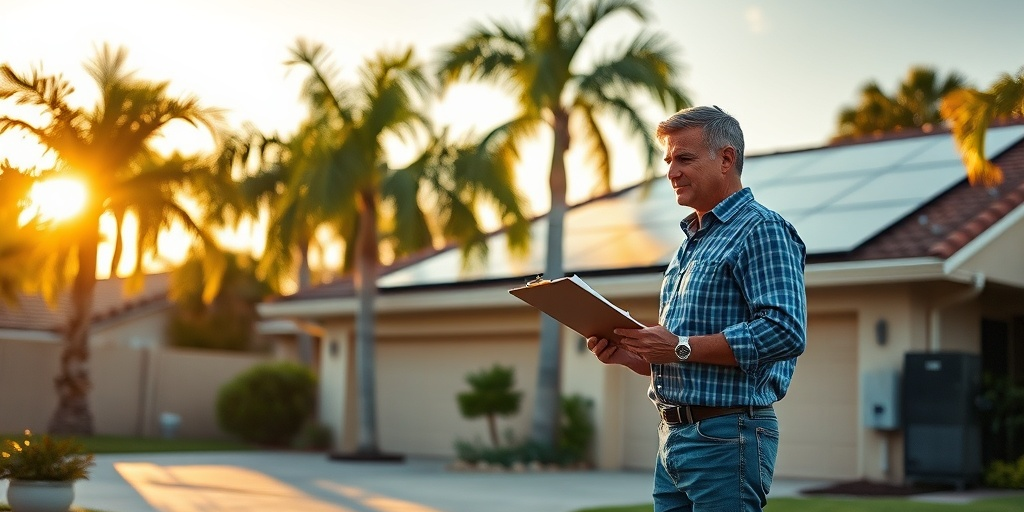
Imagine this: you’re sitting on your porch in beautiful Florida, the sun shining down, and your electric bills are practically nonexistent. Sound too good to be true? Well, it isn’t! According to recent studies, solar panel installations have surged by nearly 200% across the United States in just the last five years (SEIA.org). Even better, Florida ranks among the top states in the nation for solar potential, and many homeowners are reaping substantial rewards by harnessing this abundant resource. However, like any investment, maintaining your solar system is crucial to maximize its longevity and efficiency. That’s where this article, titled Expert Insights on Maximizing Solar Panel Lifespan for Homeowners, comes in. We’ll reveal proven strategies that can extend the life of your solar panels, allowing you to enjoy greater utility bill savings and a reduced carbon footprint.
In 2025, the urgency to transition to solar energy is clearer than ever. Rising energy costs and ongoing concerns about grid instability are pushing homeowners to reevaluate their energy sources (Energy.gov). New incentives for solar adoption are being introduced at both state and federal levels, making this an opportune moment to invest in solar power. We’ll explore five upcoming sections that delve into maximizing your solar panel lifespan by providing a rich blend of case studies, practical checklists, myth-busting segments, local insights, and a technical deep dive into the factors contributing to panel longevity. Stay tuned, as each section will equip you with the knowledge to take charge of your energy future!
Case Study: The Solar Advantage of the Floridian Homeowner
Let’s take a closer look at Sarah, a typical Floridian homeowner and a solar panel enthusiast living in Tampa. Initially skeptical about solar energy, she found herself overwhelmed by the prospect of rising utility bills and periodic outages during hurricane season. After thorough research and consulting with Florida Electric & Solar, Sarah decided to invest in a solar energy system.
Fast forward two years: Sarah’s investment has not only paid for itself but has also contributed significantly to her savings. With the average Floridian household reportedly spending over $1,200 annually on electricity (SolarReviews.com), the financial benefits of solar are undeniable. Sarah’s solar panels now produce more energy than she consumes, allowing her to sell the surplus energy back to the grid! The question now isn’t just about installing solar but essentially about how she can enhance her system’s longevity.
- Perform Regular Cleaning: Dust, debris, and bird droppings can severely impact performance. Sarah ensures her panels are cleaned at least twice a year.
- Monitor Performance: Using a solar monitoring app allows Sarah to track energy output and performance easily, ensuring everything runs smoothly.
- Seek Professional Inspections: She schedules annual inspections with a reputable solar company to evaluate system health and efficiency.
The bottom line is that maximizing Sarah’s system lifespan begins with understanding essential care and attention. According to the National Renewable Energy Laboratory (NREL), well-maintained systems can increase their lifespan by several years, providing homeowners like Sarah with continued savings and less anxiety about energy costs.
Now, as we consider various strategies to extend solar panel life, it’s crucial to distinguish between myths and facts surrounding solar energy. Understanding these representations can empower homeowners to make informed decisions.
Understanding Solar Myths: Clear the Confusion
Myth #1: Solar Panels Don’t Work on Cloudy Days. Many believe that the efficiency of solar panels drops dramatically when it’s cloudy. In reality, while solar panels may generate slightly less power during overcast conditions, they can still produce substantial energy. In fact, solar panels can operate effectively even in indirect sunlight.
Myth #2: Solar Panels Require Frequent Replacement. A common misconception is that solar panels need replacing once every few years. In truth, a well-maintained solar panel system can last up to 25 years or more! Data show that most panels come with warranties that last at least two decades, assuring us they’re built to last (DSIREUSA.org).
Myth #3: All Solar Systems Are the Same. Customization is vital when it comes to solar energy installations. Different properties have varying energy output requirements. Therefore, a generic system may not yield optimal results; working with local experts to tailor solutions ensures the most significant benefits.
As we evaluate these myths, it’s crucial to highlight the importance of local knowledge. Florida homeowners must understand that the weather patterns and sunlight exposure in their regions significantly impact energy generation. Take Sarah again: her system is designed to utilize unique aspects of Tampa’s sunny climate, optimizing efficiency in ways a generic solution never could.
5 Steps to Maximize Your Solar Panel Lifespan
Want to ensure your solar system can stand the test of time? Follow these expert-recommended steps:
- Step 1: Regular Cleaning – Dirty panels can reduce efficiency by up to 25%. Washing your panels biannually helps remove debris and keeps them operating at peak performance.
- Step 2: Schedule Routine Maintenance – Just like any investment, your solar system requires regular check-ups. Schedule at least one professional inspection each year to identify any issues.
- Step 3: Monitor System Performance – Use monitoring apps that display energy generation in real-time. If output drops significantly, take immediate action.
- Step 4: Be Aware of Weather Conditions – Hurricane season in Florida can affect your panels. During strong storms, ensure that installation is secure and consider extra protective measures.
- Step 5: Install Quality Components – Invest in high-quality solar panels and inverters from trusted manufacturers. Quality parts are integral to extending the lifespan of your system.
These five steps provide a solid foundation to protect and extend the lifespan of your solar panels. Florida homeowners should aim to adopt these rigorous practices as part of their energy independence journey.
A Deep Dive into Solar Components and Their Lifespan
To fully maximize the lifespan of your solar panels, understanding the components is key. Solar panel systems consist of several key components:
- Solar Panels: The foundation of your system, typically made from silicon. Understand that a panel’s efficiency can diminish over time. High-quality panels maintain efficiency better than budget options.
- Inverters: These convert the direct current (DC) electricity generated by your panels into the alternating current (AC) used in households. Inverters generally need replacement every 5-10 years.
- Batteries: If your system boasts storage capabilities, it’s important to consider battery lifespan, which can generally range from 5-15 years dependent on usage.
According to research by NREL, the degradation rate of solar panels is roughly 0.5% per year, indicating how gradual wear affects power output over time. Thus, scheduled component checks can alleviate unexpected failures down the line.
In Florida, the sunny climate provides incredible potential for solar energy harnessing, with annual generation potential estimated at over 2,000 kilowatt-hours per panel (NREL.gov). This means increased potential savings for homeowners who adopt a proactive approach to system care and maintenance.
Your Next Steps: An Action Plan for Florida Solar Buyers in 2025
As you navigate your solar journey, here’s an actionable checklist to put you on the path toward energy independence:
- Audit Your Electric Bill: Understand your current energy usage; this knowledge is crucial when considering solar.
- Research Local Incentives: Look for federal and state grants, tax credits, or rebates that can reduce installation costs.
- Speak with Qualified Installers: Connect with experts to create a system tailored to your home’s specific needs.
- Inspect and Maintain Your System Regularly: Put your maintenance schedule in place and adhere to it strictly for optimal performance.
- Engage in Community Education: Join local groups or forums where current solar users share tips and advice.
Ultimately, these proactive steps empower Florida homeowners to not only maximize solar savings but also enjoy your home’s energy independence. Don’t hesitate—start your solar journey by consulting experts who can tailor a plan to your specific needs at floridaelectricandsolar.com.
In conclusion, understanding how to maximize solar panel lifespan not only benefits individual homeowners but also contributes to a larger goal of sustainable energy in Florida. With rising energy costs and evolving policies favoring renewable energy, there has never been a better time to invest in solar. Whether it’s regular cleaning, scheduled inspections, or understanding the technology behind solar, prioritizing your system’s health translates to substantial long-term savings on your utility bills. Don’t wait any longer to enhance your energy independence!
Ready to start your solar journey in 2025? Connect with a certified expert at floridaelectricandsolar.com today.
Related Articles
More insights about Solar Panel

Florida Homeowners: Why Solar Panel Maintenance Is Essential

7 Essential Steps for Solar Panel Installation Success

Expert Insights: Key Factors Influencing Solar Panel Lifespan
Ready to Go Solar?
Have questions about solar energy? Our experts are here to help you make the switch to clean, renewable energy.