
Expert Insight: Maximizing Utility Bill Savings with Solar Energy
Share:
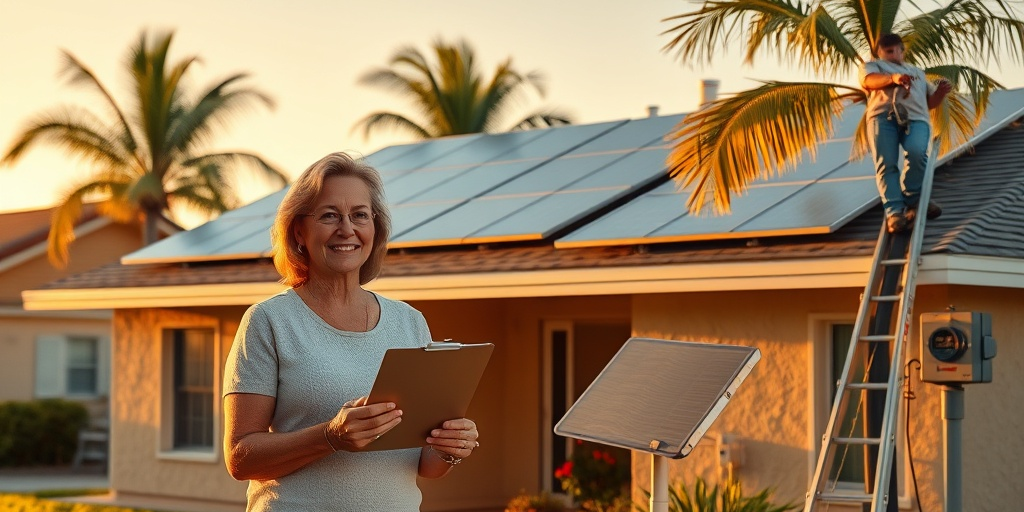
As the sun shines brightly over Florida, its golden rays carry not just warmth but an opportunity—one that could dramatically transform your electricity expenses. Did you know that most homeowners can save between 50% to 80% on their utility bills by investing in solar energy? This figure isn’t a mere statistic; it’s a financial reality that is increasingly drawing Florida residents towards renewable energy solutions. In fact, the Solar Energy Industries Association (SEIA) reports that Florida is now the third-largest solar market in the United States, with over 1.3 million homes harnessing solar power. And yet, many homeowners remain hesitant, often plagued by doubts about solar energy costs and efficiencies. That’s precisely why this blog post, titled “Expert Insight: Maximizing Utility Bill Savings with Solar Energy”, is crucial for Florida homeowners looking to enhance utility bill savings and optimize their solar investment in 2025.
With the new year upon us, several factors necessitate an urgent transition to solar energy. Energy costs are poised to rise sharply due to inflationary pressures and ongoing supply chain constraints, making it essential for homeowners to explore reliable and cost-saving options. Additionally, new incentives and policies are emerging in 2025, compelling homeowners and commercial property owners in Florida to seize this unique moment. By understanding the benefits and mechanisms behind solar energy systems, they can not only cut their bills but also contribute to a sustainable future.
This post will navigate through five insightful sections designed to empower you with expert knowledge: we will explore a compelling case study demonstrating real-world savings, present a comprehensive checklist of actionable steps for homeowners, debunk common myths surrounding solar energy, provide localized insights specifically for Florida’s market, and culminate with a technical dive into the nuts and bolts of solar installations. With a focus on maximizing utility bill savings through effective strategies, this guide aims at transforming passive readers into informed advocates for solar energy.
Unlocking the Power of Solar Energy: A Real-World Success Story
Meet Sarah Thompson, a typical Florida homeowner who once dreaded the arrival of her electric bill each month. Navigating the throes of rising energy costs, Sarah decided to investigate solar power after learning that her neighbor had significantly reduced their electricity expenses. Intrigued by the potential savings, she engaged with Florida Electric & Solar, embarking on a journey that would forever change her financial outlook.
After a thorough consultation, it was determined that a 10-kilowatt solar panel system installed on Sarah’s rooftop could generate approximately 12,000 kWh annually. The cost of installation, aided by available tax credits and state incentives, came down to a manageable figure, and Sarah chose to finance the system through a low-interest loan. The transformative result? A staggering 75% reduction in her monthly electric bill—what was once $200 a month was now only $50. Additionally, she will recoup her initial investment within 5 years, thanks to savings and incentives (SolarReviews.com).
Now that we’ve looked at a real success story, let’s pivot towards creating your own effective solar strategy. Below are five actionable steps to maximize your utility bill savings with solar energy:
- Step 1: Assess Your Energy Needs – Review your past utility bills to understand your consumption patterns. This evaluation helps identify the right size solar system for your energy needs.
- Step 2: Research State and Federal Incentives – Take advantage of solar tax credits, rebates, and incentives offered by the government and local Florida utilities.
- Step 3: Choose the Right Installer – Selecting a certified solar installer is crucial for ensuring quality installation. Look for customer reviews and industry certifications.
- Step 4: Optimize Panel Placement – The location and angle of your solar panels can significantly impact their efficiency. Keep this in mind during installation.
- Step 5: Monitor Your Energy Production – Post-installation, utilize monitoring tools to track your system’s performance and ensure it meets expected outputs.
With these steps, just like Sarah, you can trim down your monthly expenditure and invest in your home’s future.
Common Misconceptions About Solar Energy Debunked
Misinformation surrounding solar energy often leads to hesitation among homeowners. Let’s set the record straight by addressing some prevalent myths:
- Myth #1: Solar Energy Is Too Expensive – While the upfront cost of solar installations can be significant, various financing options and incentives have made it more accessible. The average cost of solar has decreased by over 70% since 2010 (SEIA.org).
- Myth #2: Solar Energy Only Works in Sunny States – Solar panels can still generate electricity on cloudy days, as they rely on light, not heat. Many cloudy regions have thriving solar installations.
- Myth #3: Solar Energy Systems Require Extensive Maintenance – Solar installations are designed for durability, requiring minimal maintenance. Regular cleaning and an annual inspection are often sufficient.
- Myth #4: You Must Own Your Home to Go Solar – Renters can still capitalize on solar through community solar programs or by negotiating solar installations with landlords.
- Myth #5: Solar Battery Storage Is Unaffordable – While battery systems like Tesla Powerwall do add initial costs, they provide long-term savings by allowing homeowners to store energy for later use, especially during outages.
Having debunked these myths, let’s shift our focus to how Floridians can tap into their unique circumstances for solar benefits.
Florida-Focused Insights for Solar Energy Enthusiasts
Florida’s unique geographical and legislative landscape makes it a prime candidate for solar energy investment. The state boasts an impressive average of 237 sunny days a year, providing abundant opportunities for solar energy production. As of 2025, more than 30% of Florida homeowners have installed solar panels, and the number is projected to grow as solar technology continues to evolve and incentives increase.
- Incentives Galore: The Florida Solar and Energy Conservation Act (FSECA) encourages residential solar adoption through tax exemptions and rebates. Homeowners can enjoy benefits such as a 100% exemption on the value added to their property by solar systems (DSIREUSA.org).
- Net Metering: Florida’s net metering law allows homeowners to receive credit for the excess energy they produce and feed back into the grid, further enhancing savings.
- Community Solar Programs: Initiatives throughout Florida empower homeowners without roofs suitable for solar, enabling participation in shared solar facilities, making access more inclusive.
With opportunities at their fingertips, Florida homeowners can indeed capitalize on solar energy as a sustainable and economically sound choice.
5 Expert Solar Installation Tips for 2025
As we move forward, ensure that your solar installation is as effective as possible by following these expert tips for success in 2025:
- Don’t Skimp on Quality: Prioritize quality equipment and certified installers rather than opting for the cheapest available options. Long-term durability is worth the initial investment.
- Consider System Orientation: Optimize energy capture by ensuring panels face south or southwest at a suitable angle for maximum sun exposure.
- Stay Informed on Policy Changes: Regularly keep track of state and federal policy changes for solar energy; adapting to new regulations can unlock further savings.
- Prepare for Permitting: Understand local permitting requirements and work with a knowledgeable installer to navigate the process more efficiently.
- Plan for Future Expansion: If possible, design your current solar energy system with the potential for future expansion, accommodating added energy needs.
By implementing these best practices, homeowners can ensure their solar journey is not only successful but also financially rewarding.
Next Steps for Florida Solar Buyers in 2025
If you’re ready to seize the opportunity and incorporate solar power into your home, here’s a clear action plan to follow:
- Step 1: Audit Your Electric Bill – Review your previous electric bills to determine your average usage and identify savings opportunities.
- Step 2: Research Financial Incentives – Investigate federal and state tax credits, rebates, and financing options that may help offset installation costs.
- Step 3: Schedule Consultations – Connect with reputable local solar installation companies to discuss options tailored to your home and energy needs.
- Step 4: Get Multiple Quotes – Compare quotes from at least three installers to ensure you’re getting the best deal without compromising quality.
- Step 5: Prepare for Installation – Once you select a contractor, prepare your home for installation (ensure access and clear any obstructions to your roof).
Taking these steps prepares you for a seamless transition towards solar energy. For tailored expert advice, consult with professionals to navigate your unique solar journey at floridaelectricandsolar.com.
In conclusion, “Expert Insight: Maximizing Utility Bill Savings with Solar Energy” not only highlights the financial aspects of transitioning to solar energy, but it also emphasizes the importance of informed decision-making. From understanding real-world successes and dispelling common myths to acquiring practical tips and localized resources, Florida homeowners now have the tools to take charge of their energy future. With many incentives at play and a favorable climate, there’s never been a more pertinent moment than 2025. Seize the opportunity to connect with certified experts, ensuring that you not only reduce your reliance on traditional energy sources but also create lasting savings for yourself and future generations. Ready to start your solar journey in 2025? Connect with a certified expert at floridaelectricandsolar.com today.
Related Articles
More insights about Solar Energy

Myth-Buster: Separating Truth from Fiction About Solar Energy Savings

Beginner’s Guide to Solar Energy Independence for Florida Homeowners

How One Florida Homeowner Boosted Their Home Value with Solar Energy
Ready to Go Solar?
Have questions about solar energy? Our experts are here to help you make the switch to clean, renewable energy.