
Myth-Buster: Separating Truth from Fiction About Solar Energy Savings
Share:
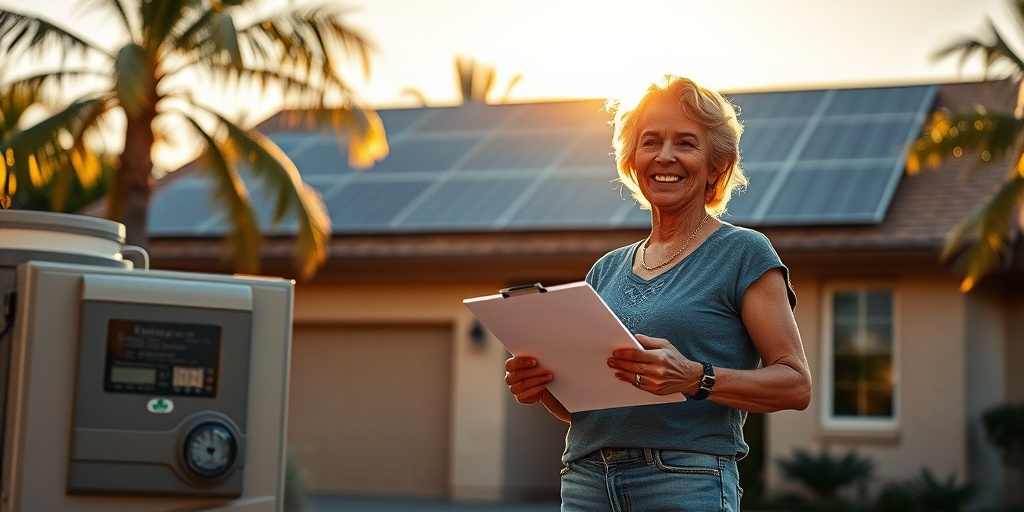
When it comes to solar energy savings, many Florida homeowners face a daunting landscape of myths and misconceptions. Did you know that nearly 90% of Americans overestimate the costs associated with solar installation, impacting their decision-making process about switching to solar power? This widespread misinformation can lead to missed opportunities for substantial savings—an urgent concern as electricity prices in Florida are predicted to rise by as much as 10% in 2025. In this post titled Myth-Buster: Separating Truth from Fiction About Solar Energy Savings, we will delve deep into common myths and illuminate the compelling truths that can empower homeowners to make informed decisions. Moreover, with the introduction of new solar incentives, the time to act is now. We’ll cover five essential sections that include real homeowner case studies, actionable checklists, myth-busting scrutiny, local Florida-specific insights, and a technical deep dive into solar technologies and policies. By the end of this journey, you’ll have clear answers that separate truth from fiction, equipping you for solar success in 2025.
Exploring Solar Energy Savings: The Truth Behind the Myths
First, let’s take a moment to understand the common narratives revolving around solar installations and their cost implications.
Consider the story of Lisa and Mark Robinson, a couple from Tampa who were initially hesitant to invest in solar energy for their home. They believed the pervasive myth that solar systems were prohibitively expensive and would not yield significant savings on their electric bills. After thoroughly researching Florida’s solar incentives and reaching out for professional guidance, they discovered that with state rebates and a federal tax credit, the costs were substantially lower than they had imagined.
Step 1: Understanding the Real Costs. Step 2: Researching Available DC/AC Inverters. Step 3: Finding the Right Installation Partner. Step 4: Analyzing Your Energy Usage Patterns. Step 5: Evaluating Solar Financing Options.
Did you know that Florida ranks third in the nation for installed solar capacity, housing over 1.2 million solar PV panels? The implication is clear: residents are investing in solar with tangible returns, changing the energy landscape. Yet, the myths surrounding solar savings persist. Let’s dissect these common beliefs and expose the truths backed by facts.
The Impact of Myths on Solar Energy Decisions
Myth #1: Solar Panels Are Too Expensive
Many still believe that the initial investment for solar panels is too high, but in fact, the costs of solar technology have plummeted by more than 70% since 2010 (Energy.gov). What’s more, the combination of local incentives and a decreasing cost of equipment makes now a prime time to invest. Residents can often have the system installed with minimal or no upfront costs by financing their solar panel systems effectively.
Myth #2: Solar Panels Don’t Work in Cloudy Weather
A prevalent misconception, especially in Florida, is that cloudy days hinder solar performance. However, solar panels can operate efficiently even in overcast conditions, producing 25-50% of their peak output. This capability is vital in Florida’s variable climate, where sunlight is abundant but not always consistently direct (SolarReviews.com).
Myth #3: You Need to Own a Home to Go Solar
Many renters assume they cannot benefit from solar energy, but several programs allow renters to access solar energy systems through community solar options. Thus, homeowners and renters alike can gain financial savings on solar energy.
Myth #4: Solar Is Only for the Rich
This myth could not be further from reality. With numerous financing options, such as leases and power purchase agreements (PPAs), solar energy is accessible to a broader audience than ever before. In fact, low-income households can qualify for additional state-funded programs that provide solar energy systems at reduced costs (SEIA.org).
Myth #5: Solar Panels Are Not Environmentally Friendly
Some think the manufacturing process of solar panels emits too much carbon, overshadowing the green benefits. However, according to the National Renewable Energy Laboratory (NREL), the lifecycle carbon emissions of solar panels are significantly lower than those of fossil fuels, making them a responsible investment for a cleaner future.
As we can see, with each of these myths dispelled, it becomes increasingly clear that solar energy is a viable and potentially lucrative option for many Floridians. Now, let us dive deeper into actionable steps that can guide you toward a successful solar transition.
5 Actionable Steps to Maximize Your Solar Savings
Are you ready to optimize your solar experience? Here’s a straightforward checklist that you can follow:
- Step 1: Audit Your Electric Bill – Carefully assess your monthly usage and costs, pinpointing peak consumption times. Understanding your energy habits is fundamental before transitioning to solar.
- Step 2: Assess Your Property’s Solar Potential – Analyze your roof for sun exposure and shading issues. Engage local specialists to perform this assessment and verify if your home or business can support solar installations.
- Step 3: Research Trusted Solar Providers – Seek out companies with positive reviews, clear warranty offerings, and strong customer service teams. Florida Electric & Solar, for example, has a proven track record in the region.
- Step 4: Explore Financing Options – Evaluate different financing options that may include leases, loans, or power purchase agreements (PPAs). Often, state and federal incentives can significantly reduce your out-of-pocket costs.
- Step 5: Plan for Maintenance and Monitoring – Keep track of your solar system’s performance and budget for occasional maintenance. Regular check-ups ensure you capture the maximum ROI from your investment.
By diligently following these steps, you take charge of your solar journey and pave the way to reclaiming your energy independence.
Best Practices for Solar Installations in Florida
Planning to install solar panels requires more than just an understanding of the technology—it’s essential to follow best practices. Below are some expert tips for success:
- Don’t Skimp on Panel Placement: The positioning of panels can dramatically affect efficiency. Panels should face south and be installed at a tilt that maximizes sun exposure.
- Consider Quality Over Quantity: Opt for high-efficiency panels that may have higher upfront costs but lead to greater long-term savings.
- Understand Local Incentives: Stay updated on solar programs specific to Florida, such as the Property Assessed Clean Energy (PACE) program and other local rebates, which can impact your financial decision (NREL.gov).
- Monitor Performance Regularly: Implement a monitoring system that allows you to track your energy production and consumption in real-time.
- Engage a Reputable Installer: Thoroughly vet solar installers for experience, credentials, and warranties to avoid common pitfalls.
Following these best practices can not only enhance your solar investment but also help you avoid the common mistakes many first-time buyers make.
A Real-World Journey: The Robinsons’ Solar Experience
Let’s revisit Lisa and Mark Robinson, our Tampa couple, who were initially skeptical about solar power. After understanding the potential of solar energy, they took a leap of faith. They underwent a comprehensive energy audit, which revealed that their electric bills reached above $250 each month during summer months. This was a significant financial burden on their family budget.
After the installation of a solar system and leveraging local and federal incentives, their utility costs reduced dramatically. They scored a federal tax credit of 26% and secured local incentives that lowered their installation costs by a substantial margin. Eventually, they reported saving over $1,500 a year on their energy bills, ultimately recovering the upfront costs within seven years. It’s crucial to highlight that as of 2025, these savings are projected to increase as utility rates climb, making their investment even more astute.
This case exemplifies the tangible benefits that come from a properly managed solar investment. Their ongoing story is one of empowerment, lessening environmental impacts, and enjoying the future of energy autonomy. Take a look at these follow-up steps they took:
- Utilized an electric bill calculator to gauge future savings.
- Participated in community solar programs to support neighborhood initiatives.
- Engaged in local advocacy for continued renewable energy support.
The trajectory of the Robinsons showcases that switching to solar is not just an eco-friendly choice—it’s a financially smart decision that benefits the community and future generations.
Next Steps for Florida Solar Buyers in 2025
Ready to take the plunge into solar energy for your home or business? Here’s a straightforward next steps action plan to minimize friction and maximize your savings:
- Step 1: Perform an Energy Audit – Assess how you use energy in your home to get an understanding of your goals and needs.
- Step 2: Get Quotes from Multiple Installers – Confirm that your chosen solar provider is legitimate, offering competitive pricing and solid warranties.
- Step 3: Review Financing Options – Investigate different loans, leases, and other financing routes available in Florida.
- Step 4: Prepare for Installation – Create an actionable timeline with your installer for installation periods and potential disruptions.
- Step 5: Stay Informed Post-Installation – Maintain awareness of new solar incentives, always looking for ways to optimize your solar investment.
By following this action plan, you can ensure that the transition to solar energy is as seamless and beneficial as possible, aligning with your financial goals while harnessing the sun’s power.
In conclusion, the myths surrounding solar energy can lead to reservations and hesitation among potential users, but armed with the right information, you can confidently navigate this landscape. As we have seen, from dispelling myths to implementing actionable steps, your pathway to solar savings is illuminated. Embrace this opportunity not only for savings but for the broader impact on the environment and future generations. Don’t let misinformation keep you in the dark; let the light of solar energy guide your way.
Ready to start your solar journey in 2025? Connect with a certified expert at floridaelectricandsolar.com today.
Related Articles
More insights about Solar Energy

How Long Do Solar Panels Last in Florida? What to Expect From Your System

Beginner’s Guide to Solar Energy Independence for Florida Homeowners

How One Florida Homeowner Boosted Their Home Value with Solar Energy
Ready to Go Solar?
Have questions about solar energy? Our experts are here to help you make the switch to clean, renewable energy.