
Expert Insight: Key Considerations for Solar Panel Installation in Florida
Share:
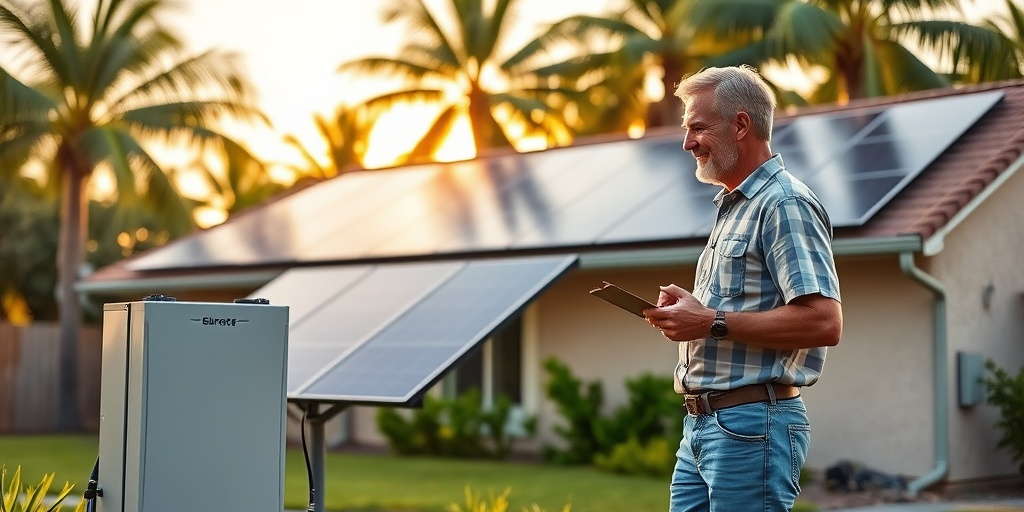
In 2025, Florida homeowners and commercial property owners face a pivotal decision regarding solar panel installation—one that could significantly impact their energy bills and environmental footprint. Did you know that the average Florida homeowner can save more than $20,000 over 20 years by installing solar panels? Or that, as of early 2023, the Sunshine State ranked second in the nation for installed solar capacity, totaling over 4.2 gigawatts? (SEIA.org). In this landscape of rising energy costs and increasing grid instability, understanding the crucial aspects of solar installation is more important than ever. In this article titled “Expert Insight: Key Considerations for Solar Panel Installation in Florida,” we will guide you through the essential factors of your solar panel journey, empowering you to make informed decisions. We’ll explore the wealth of benefits solar energy offers, from tax incentives to environmental impact, emphasizing the urgency of transitioning to renewable energy in the coming year.
This post is organized into five sections designed to address all facets of solar panel installation in Florida. We’ll kick off with an engaging case study of a local homeowner’s experience, followed by a practical checklist to guide you step-by-step through the process. You’ll learn about common myths that could be holding you back from making the leap into solar energy, delve into Florida’s specific solar policies and regulations, and finally, uncover the technical details of what makes a successful solar installation.
A Florida Homeowner’s Solar Journey: A Case Study
Imagine standing on the sun-drenched porch of a quaint Cape Cod-style home in Orlando, Florida, with the gentle hum of air conditioning and the soft shimmer of solar panels glistening above. For the Johnson family, the decision to switch to solar energy was not just about saving money; it was a commitment to a sustainable future. After reviewing their electric bills that surged each summer, they realized that solar could help cut those costs significantly.
By choosing Florida Electric & Solar, they ensured comprehensive support from consultation to installation. The family learned that current federal incentives offered a tax credit of 26%, which will decrease in subsequent years unless extended. This detail was critical in pushing them closer to solar adoption (Energy.gov). The Johnsons decided to invest in a 10-kilowatt (kW) solar system based on their energy consumption, which would generate around 1,500 kWh per month, directly offsetting their electric bills.
- Step 1: Evaluate energy consumption — The family tracked their energy use for a year.
- Step 2: Research solar options — They compared the performance of different panel brands.
- Step 3: Understand financing — They explored options like solar loans versus cash purchases.
- Step 4: Choose a reliable contractor — The Johnsons read reviews and asked for referrals.
- Step 5: Monitor installation — They actively engaged during the installation process.
Once the panels were installed, the Johnsons experienced a dramatic decrease in their utility bills, from over $200 monthly down to $30 with net metering. Their satisfaction fueled their advocacy for solar energy within their community. The real change came as neighbors began to ask questions about solar solutions, leading more families down the path toward clean energy. The Johnsons’ story offers a compelling glimpse into the transformative impact of solar energy and the tangible savings. And it is just one example of how inspired Floridians can take charge of their energy future amidst evolving energy needs.
Essential Checklist: Your Solar Panel Installation Steps
Ready to go solar? Here’s your streamlined path to installation:
- Step 1: Evaluate Your Energy Needs
Start with a comprehensive audit of your energy consumption. Review past electric bills to determine your monthly usage and identify peak consumption months. This helps in sizing the solar system accurately. - Step 2: Research State Incentives
Florida has numerous incentives for solar power, including property tax exemptions and net metering policies. Familiarizing yourself with these options can enhance your savings significantly. Visit floridaelectricandsolar.com for the latest information. - Step 3: Engage with Experts
Look for reputable solar installers in your area. A professional will help tailor a solution that meets your unique energy requirements and guide you through financing options. - Step 4: Design Your Solar System
Work with your contractor to assess the layout of your roof and select the best equipment for your needs. Consider factors such as shading, roof angles, and local weather patterns. - Step 5: Monitor Your System After Installation
After your system is up and running, continue monitoring your energy production and consumption. This will ensure the system works optimally, and you capture all the financial benefits.
Following this checklist can set you on the right path to successful solar adoption. The power is distinctly in your hands. Yet awareness of potential pitfalls is equally paramount for a smooth installation experience.
Myth-Busting: Common Misconceptions About Solar Power
Many Florida homeowners hold misconceptions about solar energy that can deter them from making the switch. Let’s tackle some of the most common myths:
- Myth #1: Solar Energy is Too Expensive
Many people believe solar installations have exorbitant upfront costs. However, with various financing options available, such as solar loans, leases, or power purchase agreements (PPAs), the initial investment can often be zero or minimal. - Myth #2: Solar Panels Only Work in Direct Sunlight
Although it’s true that solar panels perform best in direct sunlight, they can still produce energy on cloudy days or even during rain. In fact, many systems harness ambient light effectively, ensuring year-round energy generation. - Myth #3: Solar Cuts Your Lot Size
A common concern among homeowners is that installing solar panels will take up significant roof space. In reality, modern panels are designed to be efficient, providing substantial energy without the need for massive installations. - Myth #4: You Can’t Go Solar If You Don’t Own Your Home
While homeowners have the advantage, renters, too, have options like community solar programs that allow individuals to invest in shared solar projects and receive the benefits indirectly. - Myth #5: Solar Systems Require Much Maintenance
Solar panels are incredibly durable and require minimal upkeep over their lifespan. Routine cleaning and occasional inspections can keep them functioning optimally for decades.
Clearing up these misconceptions is vital in understanding the real value and benefits of switching to solar energy. By educating yourself about the advancements in solar technology and financing solutions available, you can confidently make the transition that amplifies your lifestyle.
Florida-Specific Solar Landscape: Policies and Best Practices
Florida offers specific advantages that make it a prime arena for solar investment. Understanding the local landscape is crucial to maximizing your solar savings.
Florida’s Net Metering: A Smart Choice for Homeowners
Net metering allows homeowners with solar energy systems to receive credits for excess energy fed back into the grid, effectively lowering their utility bills even further. According to the Florida Public Service Commission, net metering is available for systems up to 2 megawatts (MW) and encourages sustainable energy development by eliminating many financial barriers for homeowners.
- Solar Rights Act: This legislation ensures that homeowners have the right to install solar energy devices on their properties and prohibits restrictions that may hinder solar use.
- Property Tax Exemptions: Florida exempts solar panel installations from property taxes, ensuring that homeowners can enjoy full savings without increasing their tax burden.
- Federal Investment Tax Credit (ITC): The ITC allows homeowners to deduct 26% of their solar system costs from their federal taxes, which plays a pivotal role in making solar adoption feasible and financially advantageous.
The educational momentum around solar power in Florida is rapidly increasing, as more homeowners recognize the long-term savings and environmental benefits. By acting now, you can leverage these existing incentives before changes occur, including any potential policy adjustments that may alter the financial landscape.
Understanding Solar Technology: Panel System Options & Performance
With decisions made regarding installation, it’s essential to examine the technologies that will power your solar system. Understanding how different components work can help you choose wisely and guarantee optimal performance.
Solar Panels: The heart of the system, panels convert sunlight into electricity. Various options such as monocrystalline, polycrystalline, and thin-film have unique efficiency ratings and lifespan expectations. For instance, monocrystalline panels are often the best performers for space-constrained homes, achieving efficiencies above 20%, while polycrystalline panels are a more cost-effective option but typically have lower efficiency ratings between 15-20% (Energy.gov).
- Inverters: These devices convert the generated direct current (DC) to alternating current (AC), which is what you use in your home. Choosing a high-quality inverter impacts overall system performance.
- Batteries: Energy storage allows you to maximize solar savings by storing surplus energy for use during nights or cloudy days, reducing reliance on grid energy.
- Monitoring Devices: Incorporating technology to monitor your system performance ensures that your solar panels continue producing energy at optimum efficiency.
Learning about these elements can help you appreciate the intricate mechanics behind solar panel systems and better communicate your needs to your solar installer. Understanding the fundamental workings of your solar system empowers you to make informed decisions, ensuring that your home operates as sustainably as possible.
Next Steps for Florida Solar Buyers in 2025
Equipped with the necessary knowledge, it’s time to take proactive steps toward your solar journey. Here’s your action plan to eliminate friction and maximize efficiency:
- Step 1: Audit Your Electric Bill
Review your electricity consumption to determine your energy requirements and understand potential savings. - Step 2: Set Your Budget
Determine how much you can afford. Consider financing options that suit your financial situation without straining your budget. - Step 3: Seek Multiple Quotes
Contact several solar companies for detailed proposals. Compare the costs, warranties, and equipment specifications to make the best choice. - Step 4: Check Reviews
Read customer reviews and testimonials about different solar installers to gauge their reliability and service quality. - Step 5: Ready to Install
Choose your installer, finalize your design, and prepare for a smooth installation process. Make sure to communicate with your contractor to ensure all your questions are addressed.
Taking these steps will position you for seamless solar adoption. Knowledge is your foundation, and proper preparation will ensure your investment in solar energy pays off.
In conclusion, navigating the solar landscape in Florida has never been more critical. Armed with essential knowledge about solar technology, local policies, and common misconceptions, you have the power to make informed decisions that will profoundly impact your energy future. As energy costs continue to rise and sustainability becomes increasingly vital, the time to act is now. By investing in solar energy, not only will you cut down on expenses, but you’ll also contribute to a cleaner, greener future for generations to come. Remember, opportunities like federal tax credits and contributions to sustainability can help maximize your savings.
Ready to start your solar journey in 2025? Connect with a certified expert at floridaelectricandsolar.com today.
Related Articles
More insights about Solar Panel

Florida Homeowners: Why Solar Panel Maintenance Is Essential

7 Essential Steps for Solar Panel Installation Success

Expert Insights: Key Factors Influencing Solar Panel Lifespan
Ready to Go Solar?
Have questions about solar energy? Our experts are here to help you make the switch to clean, renewable energy.