
Expert Insight on Solar Panel Installation Financing Options
Share:
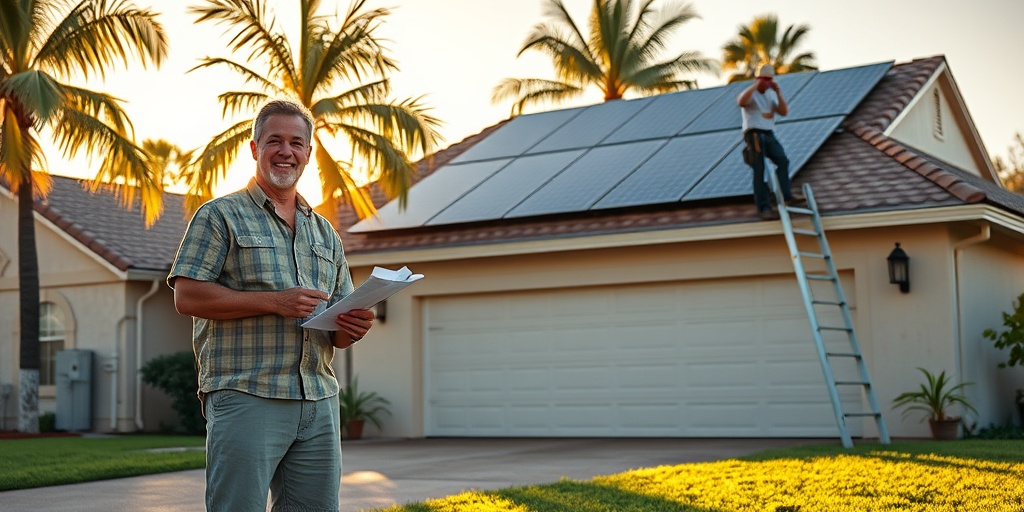
Did you know that as of 2023, the average household in Florida spends nearly $4,400 annually on electricity? With energy costs climbing at an unprecedented pace, now is the time for homeowners to take control. Investing in solar energy not only reduces electric bills but also offers a pathway to financial freedom. In our blog titled Expert Insight on Solar Panel Installation Financing Options, we will dive into how financing options can make transitioning to solar power easier and more affordable for you. In 2025, new incentives will become available, potentially saving Floridians thousands of dollars. According to the Solar Energy Industries Association, Florida ranks third in the nation for solar installations, making it a prime location for homeowners looking to harness solar power (SEIA.org). This topic is incredibly relevant as more property owners in Florida explore ways to benefit from solar panel installations. In this blog, we will cover five key sections: a deep dive into financing options, actionable checklists, common myths, specific insights into Florida’s solar landscape, and an in-depth look at the technical aspects of solar installations.
Exploring Solar Financing Options: A Comprehensive Deep Dive
The transition to solar energy can seem daunting, but knowing your financing options makes it much easier. Case in point: the Johnson family in Orlando faced increasing utility bills and wanted to reduce their expenses while contributing to a cleaner environment. After thorough research, they learned about several financing options available for solar panel installations, such as solar loans, leases, and power purchase agreements (PPAs).
Case Study: The Johnson Family Journey
When the Johnsons first considered going solar, they were overwhelmed by the costs and financing options available. After consulting with a trusted solar advisor, they discovered solar loans, which offer an affordable way for them to pay off the cost of their system over time with fixed payments. The idea of owning the system appealed to them, as it would allow them to benefit fully from the 30% federal solar tax credit and the ongoing savings from reduced electric bills.
They also explored leasing versus purchasing. While leasing would have lowered their upfront costs, the Johnsons ultimately chose to own their system, knowing they would see greater long-term financial benefits. Over 20 years, they projected savings exceeding $30,000 after accounting for inflation. This journey highlights the importance of being informed about your choices.
- Step 1: Assess your budget. Calculate how much you can afford for a down payment and your monthly budget for solar financing.
- Step 2: Research your options. Consider solar loans, leases, or Power Purchase Agreements (PPAs) to see which best fits your financial situation.
- Step 3: Consult with reputable solar providers in Florida. They will guide you through the financial landscape based on local laws and incentives.
- Step 4: Identify applicable incentives. Stay informed on federal and state tax credits, which can significantly lower your installation cost (SEIA.org).
- Step 5: Evaluate your potential energy savings. Use an online calculator or consult with a solar expert to visualize how much you could save!
Myth Buster: Common Misconceptions in Solar Financing
Myth #1: “Solar panels are too expensive.” It’s important to remember that financing options make solar accessible to a wide range of budgets. Many providers offer low-interest loans that can be paid off alongside your utility costs.
Myth #2: “You need to pay for the entire system upfront.” While upfront payments reduce the total cost, solar loans and leasing options allow you to make manageable monthly payments.
Myth #3: “Solar panels don’t work in cloudy regions.” In Florida, solar panels can be effective even when the sun isn’t shining brightly. The efficiency of modern solar panels makes them capable of producing energy even on overcast days.
Local Focus: Florida-Specific Incentives and Stats
In Florida, homeowners can take advantage of a range of state and federal incentives. Florida offers a property tax exemption for solar equipment, meaning you won’t pay any additional property taxes on the increased home value from solar installations (Florida Solar Energy Center). Furthermore, up to 90% of the costs can be offset through state incentives and rebates.
Technical Deep Dive: Understanding Financing
Solar financing typically includes loans, leases, and PPAs. Solar loans are designed to allow you to purchase your system outright or to spread the cost over several years. These loans typically carry a fixed interest rate and can be paid for with the savings you gain. Leases, on the other hand, require little to no upfront cost, allowing more homeowners to install solar without significant financial limitations. With PPAs, homeowners can essentially buy electricity generated by the solar panels at a lower rate than traditional utility costs, usually without owning the panels themselves.
The savings with these financing options are substantial, as homeowners can leverage state incentives that make solar energy even more affordable. For many Florida homeowners, financing a solar panel installation is an opportunity to gain energy independence without the burden of high upfront costs.
Understanding Solar Financing: Breaking Down Key Options
Securing financing for a solar panel installation is crucial for making this transition seamless. With various options available, understanding them can significantly benefit your wallet and peace of mind. Solar loans, leases, and PPAs are the main pathways and come with their respective pros and cons.
- Solar Loans: This option allows homeowners to pay for their solar systems over time. It’s ideal for those interested in owning the system and reaping the financial benefits long-term.
- Solar Leases: This is where you pay a fixed monthly fee to use the solar system installed on your roof without having the ownership. It’s great for those who want solar but don’t want high upfront costs.
- Power Purchase Agreements (PPAs): Similar to leasing, with a PPA, you pay for the electricity produced by the solar panels instead of the panels themselves. It’s a low-cost entry point into solar energy.
According to a recent study, roughly 60% of new installations in the residential sector are financed, reflecting a growing trend towards utilizing financing options (Energy.gov). For Florida homeowners evaluating their next steps, connecting with professionals who understand these financing frameworks is crucial.
For more details on these financing options, visit floridaelectricandsolar.com to consult with experts who can walk you through the specifics that will work for your financial situation.
5 Expert Solar Panel Installation Tips for 2025
As the landscape of solar energy changes and evolves, many homeowners wonder how they can maximize their investment in solar. Here are five expert tips to help ensure you’re set for 2025 and beyond without risking the quality of your solar installation.
- Choose the Right Installers: Do not skimp on the quality of the installers. Look for licensed and experienced professionals, as their expertise will greatly influence your system’s performance and longevity.
- Invest in Quality Equipment: Opt for high-efficiency solar panels that stand the test of time. Research reputable brands and ensure your system has an appropriate warranty.
- Understand Your Energy Needs: Conduct an energy audit to determine how much energy you use. This will help customize your solar system to meet your specific needs and ensure you aren’t over- or under-investing.
- Stay Updated on Incentives: Solar policies and incentives are continually changing. Always consult with your solar provider to ensure you’re taking full advantage of tax credits and rebates.
- Plan for Maintenance: Routine check-ups and maintenance are essential to ensure your solar panels work efficiently for decades. Set reminders for upkeep.
Florida homeowners who follow these expert tips can position themselves for energy independence, reduced expenses, and increased property values. A well-planned solar installation can yield dividends over many years.
The Story of a Solar Journey: A Fictional Yet Realistic Example of a Florida Family
Meet the Thompson family from Miami. With rising energy costs to manage and a commitment to a greener future for their children, they decided that solar was the right choice for them in 2025. The Thompsons were initially hesitant, worried about costs and complexity.
However, they took the leap when they recognized the long-term savings. The Thompsons began by consulting various solar companies, ensuring they were aware of the available financial options. They chose a reputable provider who guided them through financing—a mix of a solar loan and state incentives that significantly eased the financial burden.
- Initial investment: The family spent $25,000 upfront for a solar array designed to meet their energy needs.
- Incentives applied: They were able to leverage the 30% federal tax credit and Florida’s solar exemptions, bringing their out-of-pocket expense down to around $17,500.
- Projected savings: Over 20 years, the Thompsons projected savings around $50,000 after factoring electric bill reductions and maintenance costs.
- Improved home value: Their home’s value increased by over 5%—a significant return on their investment.
As the Thompsons navigated their journey, they discovered not only financial rewards but also the satisfaction of contributing to a more sustainable future. This compelling narrative reflects the experiences many families in Florida may have as they consider going solar.
Next Steps for Florida Solar Buyers in 2025
If you’re ready to embrace solar and secure your opportunity for energy independence, here are some clear next steps you can take today:
- Step 1: Audit Your Electric Bill: Start by assessing your energy consumption and costs to understand how much you can save with solar.
- Step 2: Research Financing Options: Explore available solar loans, leases, and PPAs that fit your financial situation.
- Step 3: Contact Solar Providers: Find reputable solar installation companies in your area that provide consultations based on your needs.
- Step 4: Evaluate Available Incentives: As mentioned earlier, look for both federal and state incentives. Be informed to maximize these benefits.
- Step 5: Move Forward with Installation: When you’re ready, schedule an installation and take the next step toward energy independence.
For expert assistance with each step of the process, visit floridaelectricandsolar.com and connect with professionals who can make your solar transition smooth and effective.
Conclusion: The Path Towards Solar Energy Independence
Making the decision to install solar panels can lead you towards financial freedom and energy independence, especially with the variety of financing options available. Remember the journey of the Johnsons and Thompsons, who, like many Florida homeowners, seized this opportunity not just for energy savings but for a brighter, greener future for their families.
As you consider your own solar transition, take into account the urgency of rising energy costs and the myriad of incentives coming in 2025. This decision is more than just a financial one; it represents a commitment to a sustainable future that benefits both your family and the environment.
Ready to start your solar journey in 2025? Connect with a certified expert at floridaelectricandsolar.com today.
Related Articles
More insights about Solar Panel

Florida Homeowners: Why Solar Panel Maintenance Is Essential

7 Essential Steps for Solar Panel Installation Success

Expert Insights: Key Factors Influencing Solar Panel Lifespan
Ready to Go Solar?
Have questions about solar energy? Our experts are here to help you make the switch to clean, renewable energy.