
Expert Insight: Discovering Solar Panel Installation Financing Options in Florida
Share:
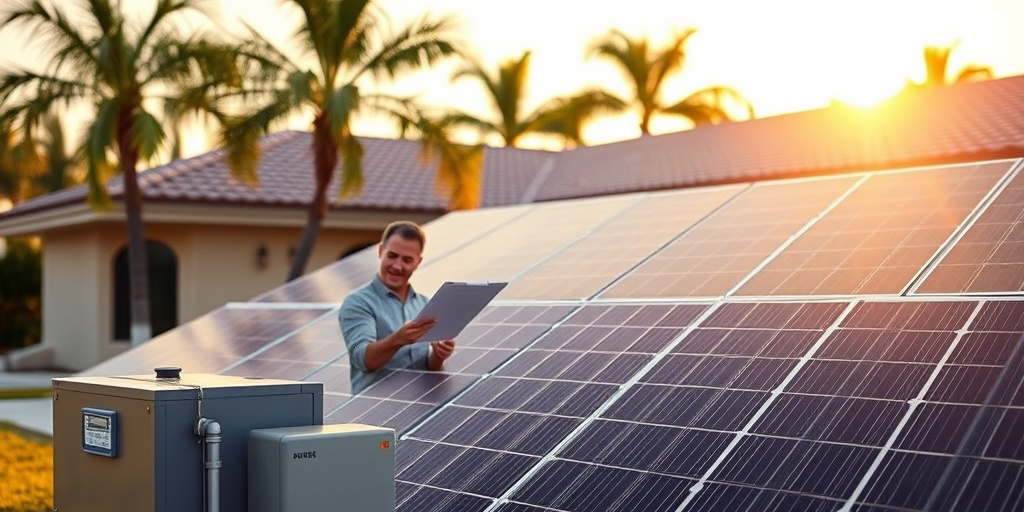
In the Sun Belt of the United States, where residents often endure scorching summer temperatures and high energy bills, one undeniable fact shines through: solar energy presents a practical solution that becomes more essential with each passing year. In fact, according to the Solar Energy Industries Association (SEIA), Florida ranks third in the nation for solar capacity, with over 5,000 megawatts installed and home to more than 1.3 million solar installations as of 2023. As we approach 2025, the urgency for homeowners and commercial property owners alike to explore various solar panel installation financing options in Florida becomes increasingly significant. The upcoming phase-out of federal tax incentives and related financial support highlights the need for timely decision-making (NREL.gov). This confluence of rising energy costs and decreasing incentives necessitates understanding the financing options available, making the topic of our article, Expert Insight: Discovering Solar Panel Installation Financing Options in Florida, particularly timely and relevant.
In this comprehensive guide, we will explore the financing landscape for solar installations, from understanding the types of loans available to debunking common myths surrounding these options. By providing actionable steps, expert insights, and engaging narratives, we aim to empower Florida’s homeowners and business owners to make informed decisions regarding their solar energy investments. In 2025, going solar is not just an option; it’s a necessity for both ecological and financial reasons. The following sections will cover:
-
Case Study: A Florida Family’s Journey to Solar Ownership
-
Checklist: Essential Steps for Securing Solar Financing
-
Myth-Buster: Debunking Solar Financing Misconceptions
-
Local Focus: Analyzing Florida-Specific Solar Incentives
-
Technical Deep-Dive: Understanding Solar Panel Technology
By the end of this article, you will not only be well-informed about the various financing options available for solar panel installation in Florida but also inspired to take the necessary steps towards energy independence and substantial savings.
Case Study: A Florida Family’s Journey to Solar Ownership
Let’s dive into a compelling narrative that illustrates the real impact of financing options on a Florida family’s solar journey. Meet the Carters, a family residing in Orlando, who were tired of dealing with exorbitant summer electric bills reaching over $300 a month. After researching, they discovered that the cost of solar panels had dramatically decreased over the past few years, making it an opportune time to invest in solar energy. However, the upfront costs were still daunting, and they needed to explore financing options that would allow them to adopt solar energy without breaking the bank.
The Carters started by contacting local solar installers and both learned about solar loans, which allow them to spread out the cost of installation over a period of time. They found a solar loan offering low-interest rates tied to their home equity. On a $30,000 system, this option would mean monthly payments of approximately $250, which was manageable compared to their current electric bill. Additionally, they discovered state incentives that would cover 20% of the installation costs, further reducing their financial burden.
But the journey didn’t stop there. The Carters also considered a Power Purchase Agreement (PPA), which allowed them to essentially lease the solar panels, where they would pay only for the energy generated instead of owning the system outright. After discussions and weighing the pros and cons of financing strategies, they decided to go with the solar loan, which gave them full ownership of the system and the benefits of federal tax incentives.
Before installing their panels, the Carters performed thorough research on Florida-based solar policies and financing options, realizing that Florida homeowners can save an average of 70% on their energy bills with the right solar setup (SolarReviews.com). As summer approached, they finally activated their solar panels, and by the end of the season, they noted a staggering reduction in their electric costs. The investment paid off, and with the savings accumulated over the years, they could truly see the impact of solar energy on their financial health.
This case study demonstrates that proper research and commitment to understanding financing options can lead to significant savings and energy autonomy. For any Florida homeowner considering similar investments in solar energy, the steps taken by the Carters serve as a valuable blueprint.
Checklist: Essential Steps for Securing Solar Financing
Financing the installation of solar panels is a critical step for homeowners eager to embrace renewable energy. Here is a straightforward checklist to ensure that you make the most informed financial decision:
- Step 1: Assess Your Energy Needs
Begin by analyzing your current energy consumption to determine the size of the solar system needed. Review your electric bills from the past year for detailed insights.
- Step 2: Explore Financing Options
Understand the types of financing available, including solar loans, leases, PPAs, and cash purchases. Each option has distinct advantages and implications for ownership and savings.
- Step 3: Collect Quotes from Local Installers
Gather multiple quotes from reputable Florida-based solar companies to compare installation costs and financing terms. Look for customer reviews and ratings.
- Step 4: Review Incentives and Rebates
Research local, state, and federal incentives for solar installations. Programs like Florida’s Solar Energy System Incentives can significantly offset costs (DSIREUSA.org).
- Step 5: Consult a Financial Advisor or Solar Expert
Before committing, consult a certified financial advisor or a solar energy consultant who can help you navigate your options and choose the financing model that aligns with your financial goals.
By following this checklist, Florida homeowners can confidently secure financing options for their solar panel installation, paving the way to a sustainable and cost-effective future. If you’re ready to assess your options further, visit floridaelectricandsolar.com today for expert resources and assistance.
Myth-Buster: Debunking Solar Financing Misconceptions
Despite growing awareness about solar energy, several myths continue to cloud homeowner skepticism regarding solar financing. Here, we address and debunk common misconceptions to empower you with accurate information:
- Myth #1: Solar Panels are Too Expensive
This is a prevalent belief, but the reality is quite different. Prices have fallen by nearly 90% over the past decade, making solar systems accessible to a broader range of homeowners (SEIA.org).
- Myth #2: You Must Pay Upfront for the Entire System
Many people think they need to pay for the entire system upfront. While cash purchases are one option, financing plans are widely available, including solar loans and leasing options that require little to no upfront cost.
- Myth #3: Solar Financing Lowers Your Home’s Value
Contrary to popular belief, homes equipped with solar panels often see increased property values. In Florida, homes with solar installations can sell for up to 4.1% more than those without (SolarReviews.com).
- Myth #4: Solar Financing Options Are Complicated
While navigating financing options may seem complex, they are actually straightforward with the right resources. Many installers will provide complimentary consultations to help you understand your options effectively.
- Myth #5: You Cannot Go Solar with Bad Credit
While credit scores do influence financing options, alternative choices like crowdfunding and community solar programs can help low-credit applicants move towards solar adoption.
By dispelling these myths, Florida homeowners can approach solar financing with the confidence and clarity they need to make informed choices. Awareness of facts versus myths is essential for maximizing your potential savings through a solar installation.
Local Focus: Analyzing Florida-Specific Solar Incentives
Florida is a unique state for solar energy, boasting an abundance of sunshine and several attractive incentives designed to encourage homeowners and businesses to adopt solar technology.
As of 2023, Florida offers various incentives that can significantly decrease the cost of solar panel installations:
- Federal Investment Tax Credit (ITC): Homeowners can take advantage of a 26% tax credit for solar installations, but this percentage is set to decrease in 2026. Be sure to act before it drops (NREL.gov).
- Florida Solar Energy System Incentives: Homeowners can qualify for this state-specific program, offering significant cash incentives for grid-connected systems, further enhancing financial feasibility.
- Property Tax Exemption: In Florida, homeowners with solar energy systems can enjoy a complete exemption on property taxes for the value added by the installation, boosting the financial appeal of going solar.
- No Sales Tax on Solar Equipment: Purchases of solar panels and related equipment in Florida are exempt from state sales tax, significantly lowering the upfront cost.
Understanding these local incentives allows Florida homeowners to capitalize on financial opportunities while investing in renewable energy. For those who want to explore these incentives further, the information available at floridaelectricandsolar.com can be invaluable.
Technical Deep-Dive: Understanding Solar Panel Technology
A successful solar panel installation hinges on understanding the technology behind the systems. Let’s delve into the key components that contribute to effective solar energy generation, storage, and management.
- Solar Panels: The heart of any solar installation, these convert sunlight into electricity. Most panels are comprised of photovoltaic (PV) cells made from silicon, harnessing sunlight to create energy.
- Inverters: This technology converts the direct current (DC) generated by the panels into alternating current (AC), which is used to power homes and businesses.
- Battery Storage: An increasingly popular option, battery systems store excess energy generated during the day for use at night or times of low production, enhancing energy independence.
- Net Metering: This billing arrangement allows you to receive credits for surplus energy produced, which can be used to offset future energy bills when your system isn’t producing enough power.
- Monitoring Systems: Solar energy management technology helps track system performance, ensuring maximum efficiency and identifying maintenance needs.
Understanding these components not only reinforces your decision to invest in solar energy but also prepares you for informed conversations with prospective suppliers and contractors. Armed with this knowledge, you can confidently explore financing options tailored to your unique solar setup.
Next Steps for Florida Solar Buyers in 2025
As we conclude our exploration of solar panel installation financing options in Florida, it’s clear how essential it is to stay informed and proactive. Here’s a summary of actionable steps you can take immediately:
- Audit Your Electric Bill: Review previous bills to understand your energy usage and identify how much solar power you actually need.
- Research and Compare Solar Quotes: Contact multiple solar providers to get a variety of quotes. Evaluate both product and service quality.
- Check for State and Federal Incentives: Make sure you understand all applicable incentives that can help offset your costs.
- Analyze Financing Options: Depending on your financial goals, weigh the loans, leases, or PPAs that work best for you.
- Reach Out for Professional Assistance: Connect with a certified expert at floridaelectricandsolar.com to ensure you receive personalized guidance.
Taking these steps will prepare you to initiate your solar journey effectively and efficiently as we approach 2025. Each decision can lead to not just financial gains, but also peace of mind knowing you’re aiding in the transition to a sustainable future.
As we’ve outlined throughout this article, the time to act is now! By embracing solar energy not only for ecological benefits but as a means of substantial savings, you are setting your family or business up for success. The various financing options available are more accessible and flexible than ever, enabling you to own your power and maximize your savings.
Ready to start your solar journey in 2025? Connect with a certified expert at floridaelectricandsolar.com today.
Related Articles
More insights about Solar Panel

Florida Homeowners: Why Solar Panel Maintenance Is Essential

7 Essential Steps for Solar Panel Installation Success

Expert Insights: Key Factors Influencing Solar Panel Lifespan
Ready to Go Solar?
Have questions about solar energy? Our experts are here to help you make the switch to clean, renewable energy.