
Expert Insight: Navigating Solar Panel Installation for Florida Homeowners
Share:
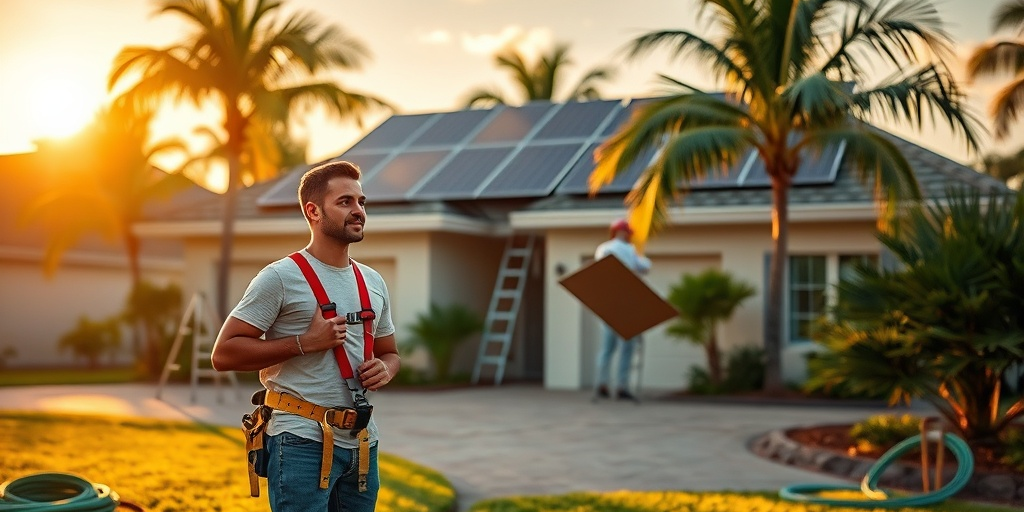
As homeowners in Florida brace for yet another year of escalating electric bills, a revolutionary solution awaits that can not only mitigate these costs but also offer energy independence—solar power. Did you know that Florida boasts one of the highest solar potentials in the nation, with over **1,800 hours of sunlight annually**? It transforms the Sunshine State into a prime candidate for solar energy. In fact, according to the Solar Energy Industries Association, more than **850,000 solar installations** are now on residential rooftops across Florida (SEIA.org). As we look towards 2025, the push for renewable energy has never been more urgent, driven by rising energy costs and the introduction of new incentives that make solar more accessible than ever before. Welcome to **Expert Insight: Navigating Solar Panel Installation for Florida Homeowners**—your comprehensive guide to understanding and maximizing solar savings!
This topic not only matters; it’s imperative for homeowners looking to gain control over their energy expenses in a state that has long been reliant on traditional energy sources. In this post, we will break down the complexities of solar panel installation into actionable segments that will educate, empower, and inspire you to make the leap into solar energy in 2025. Here’s what’s coming up:
- A Deep Dive: Overcoming Common Solar Installation Challenges
- Your Essential Solar Installation Checklist
- Myth-Busting: Dispelling Common Misconceptions About Solar
- A Focus on Florida’s Unique Solar Landscape
- Technical Insights: Understanding Solar Technology and Policies
Your journey into solar energy starts here. Let’s illuminate the path to solar panel installation for Florida homeowners in 2025!
Overcoming Common Solar Installation Challenges
Meet Lisa, a Florida homeowner who transformed her energy bills by making the bold decision to install solar panels. Faced with rising electricity rates and a strong desire for sustainability, Lisa was determined to venture into the solar landscape. However, she was quickly met with a series of challenges that left her feeling overwhelmed. From choosing the right technology to understanding financing options, the road appeared riddled with obstacles.
With the right knowledge and resources, Lisa turned this daunting journey into a successful solar installation. What did she discover? Here’s a checklist to guide you through the process:
- Research Solar Providers: Look for reputable companies with extensive customer reviews, such as floridaelectricandsolar.com, that specialize in Florida solar installations.
- Understand Your Energy Needs: Conduct an energy audit to determine your current usage. Knowing how much energy you consume will help you decide the appropriate solar system size.
- Check Incentives: In 2025, federal and state incentives may significantly reduce your cost of installation. Stay informed about updates regarding the Federal Solar Tax Credit and local rebates.
- Evaluate Financing Options: Explore options including cash purchases, solar loans, and leasing agreements to find a plan that fits your financial goals.
- Understand Installation Timing: Time your installation with the best weather conditions in Florida. March through May is typically ideal for installations.
These steps not only lend clarity to the installation process but also help save time and money. Lisa’s story is a reminder that overcoming the challenges of solar energy is not only possible—it’s advantageous. However, alongside potential benefits like tax credits and lower energy bills exist myths that need to be dispelled.
Myth-Busting: Dispelling Common Misconceptions About Solar
In the journey towards solar energy, several myths can confuse homeowners, leaving them hesitant to make the investment. Let’s debunk some of the most common misconceptions that prevent Florida homeowners from harnessing solar power:
- Myth #1: Solar Panels Won’t Work in Cloudy Weather
While it’s true that solar panels are optimized in sunny conditions, they can still produce significant energy on overcast days. Florida receives ample sunlight, contributing to solar efficiency (SolarReviews.com). - Myth #2: Solar Energy is Too Expensive
Many homeowners assume solar energy systems cost prohibitively high. However, with federal tax credits and state incentives, upfront costs have decreased dramatically, making solar more accessible. - Myth #3: A Rooftop System is the Only Option
Ground-mounted systems and community solar options exist. You don’t have to have a perfect rooftop to take advantage of solar energy. - Myth #4: Solar Panels Require Constant Maintenance
Modern solar systems require minimal maintenance. Regular cleaning and an occasional inspection are usually all that’s needed to keep your system running efficiently. - Myth #5: Solar Systems Lower Your Home’s Value
In reality, homes with solar energy systems often increase in property value. Buyers are increasingly looking for homes with renewable energy sources (Zillow.com).
Dismantling these myths lays a strong foundation for informed decisions about solar energy. Florida’s unique landscape presents excellent opportunities for homeowners to embrace renewable energy. With the myths debunked, let’s look more closely at how Florida’s policies and specific data create a unique playing field for solar installations.
A Focus on Florida’s Unique Solar Landscape
Florida’s climate and regulatory environment foster a conducive atmosphere for solar panel installation. As the third-largest state in the nation for solar capacity, Florida benefits from progressive legislation aimed at expanding solar energy usage. Here’s what makes Florida a beacon for solar:
- Generous Tax Incentives: Florida residents can take advantage of the **Sales Tax Exemption on Solar Energy Systems** and the **Property Tax Exemption** for solar installations, which boosts the investment appeal.
- Net Metering: Florida utility companies offer net metering, allowing homeowners to receive credits for excess energy fed back into the grid, thus maximizing savings.
- Utility Energy Programs: Programs like the **Duke Energy Solar Rebate Program** make solar installations even more attainable, providing rebates to reduce upfront costs.
- Fast Installation Permitting: Florida typically has streamlined permitting processes, speeding up solar installations compared to states with cumbersome regulations (Energy.gov).
The unique benefits of Florida’s solar landscape can significantly influence the decision to install solar panels. Florida homeowners looking into solar may also be interested in the technical aspects of systems and policies that govern installations, which will help demystify the solar power landscape further.
Technical Insights: Understanding Solar Technologies and Policies
Gaining a better understanding of the technology powering solar panels can clarify the installation process and help you make an informed choice. Solar power systems consist primarily of solar panels, inverters, and batteries. Here’s a deeper look at these components:
- Solar Panels: These come in various types—monocrystalline, polycrystalline, and thin-film—each offering different efficiencies and costs. Investing in high-efficiency panels can yield better returns.
- Inverters: The inverter converts direct current (DC) energy generated by solar panels into alternating current (AC), which is used by most home appliances. Consider micro-inverters for improved efficiency, especially if shading is a concern.
- Batteries: Storing energy for use during the night or cloudy days is essential to maximize solar benefits. Lithium-ion batteries are popular, but homeowners should consider capacity and lifespan before selecting a battery system.
- State Regulations: Florida’s regulations favor solar energy. Understanding the legal framework ensures you comply with requirements and can benefit from incentives without unexpected roadblocks.
The key takeaway here is that educated decisions lead to better investments in solar energy. As the solar industry continues to evolve, understanding these pieces will thrive in helping Florida homeowners maximize their benefits. Now that you’ve mastered the technical side, it’s time for actionable steps that will set you on the path toward solar success.
Next Steps for Florida Solar Buyers in 2025
Embarking on your solar journey might feel daunting, but this action plan is crafted to simplify the process and guide you through your solar installation. Here’s your checklist:
- Audit Your Electric Bill: Review at least one year’s worth of utility statements to ascertain potential savings and how much solar capacity you would need.
- Research Local Solar Providers: Connect with local solar companies like floridaelectricandsolar.com that will cater to your specific needs and provide customer testimonials, ensuring you’re making an informed choice.
- Explore Financing Options: Assess your finances and look into loans, leases, or even cash options to determine what best suits your financial landscape.
- Start the Application Process: Once deciding on a provider, they will guide you through the necessary applications and permits needed for your installation.
- Schedule Your Installation: Be strategic in choosing your installation date; typically, installations in early spring will give you time to benefit from the sunlight summer months ahead.
This action plan will guide Florida homeowners towards a successful solar installation and greater energy independence. The transition to solar energy in 2025 offers financial relief, sustainability, and a proactive step into a greener future.
Conclusion
As we navigate the intricacies of solar panel installation for Florida homeowners, we unveil the unparalleled benefits of solar energy—cost savings, increased home value, and an active role in preserving our planet. From overcoming common challenges to understanding technological advancements, you’ve learned how to make informed decisions necessary for successful solar energy adoption.
In an age where electricity rates continue to rise and environmental concerns loom more than ever, transitioning to solar energy is not merely an option; it’s an imperative. Your family, your finances, and future generations will thank you for taking this vital step toward energy independence.
Ready to start your solar journey in 2025? Connect with a certified expert at floridaelectricandsolar.com today.
Related Articles
More insights about Solar Panel

Florida Homeowners: Why Solar Panel Maintenance Is Essential

7 Essential Steps for Solar Panel Installation Success

Expert Insights: Key Factors Influencing Solar Panel Lifespan
Ready to Go Solar?
Have questions about solar energy? Our experts are here to help you make the switch to clean, renewable energy.