
Expert Insights: Solar Panel Installation Mistakes to Avoid
Share:
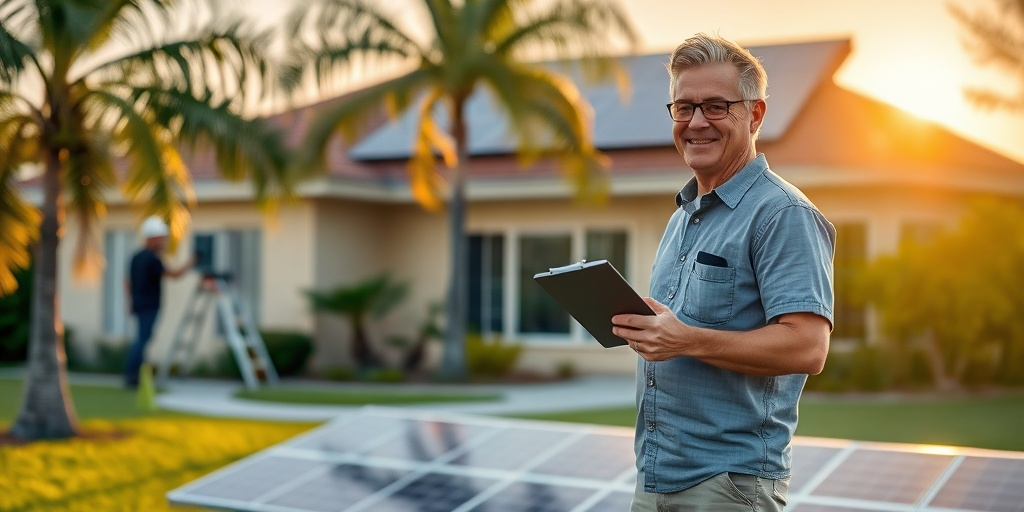
In the sweltering heat of Florida, nearly 88% of homeowners are considering solar energy as a viable option to reduce their rising electricity bills (SEIA.org). But with the ongoing changes in energy policies and the increase in available solar incentives, it’s crucial to navigate smartly through potential pitfalls. What if the difference between a successful solar installation and a costly mistake hinges on understanding common installation blunders? In this blog titled “Expert Insights: Solar Panel Installation Mistakes to Avoid”, we will dive deep into the significant missteps that could derail your solar journey. As 2025 approaches, the demand for renewable energy solutions is expected to surge due to escalating energy costs and increased renewable energy targets set by the Florida government (Energy.gov). Understanding these mistakes now will empower you to maximize your solar investment and transition seamlessly into the world of solar energy.
In this post, you will discover:
- The various installation mistakes that many homeowners experience.
- Actionable checklists to ensure you avoid these traps.
- Myth-busting information surrounding solar installations.
- Local insights tailored specifically for Florida homeowners.
- Technical deep dives into the solar systems that power your property.
Let’s explore how awareness can illuminate the path to successful solar adoption.
Common Installation Mistakes Florida Homeowners Can’t Afford to Make
Imagine Sarah, a Florida homeowner excitedly installing solar panels on her new home. Sarah believed she was taking a forward-thinking step towards energy independence; however, unbeknownst to her, she was overlooking critical factors that led to a less than optimal installation. Within months, her system was underperforming—an unfortunate reality for many solar enthusiasts. According to a report from SolarReviews.com, approximately 30% of homeowners see less electricity savings than expected due to installation mistakes. Being aware of these common pitfalls can help ensure your project is a success.
To help, here’s a checklist of common yet costly blunders to avoid:
- Inadequate Roof Assessment: Before installation, conduct a thorough examination of your roof. Cracks, leaks, and structural issues can compromise panel installation.
- Ignoring Local Weather Conditions: Florida is prone to hurricanes and heavy storms. Ensure your panels are rated for potential wind loads.
- Wrong Panel Placement: Maximizing solar energy production is key. Panels should be positioned carefully to capture optimal sunlight throughout the day.
- Overlooking Energy Consumption Analysis: Understanding your household energy consumption is essential. This data drives the appropriate system size and panel requirement.
- Neglecting Permits and Policies: Missing local regulations or permits can lead to costly fines and reinstallation expenses once your solar setup is complete.
Each of these mistakes highlights a crucial analysis offered by experienced solar installers. For example, it’s vital to consider Florida’s tax incentives and policies while selecting your energy system (FloridaPowerAndLight.com). Did you know that, in 2025, solar energy systems installed in Florida will remain eligible for the federal solar tax credit, helping to alleviate costs upfront? This presents an excellent opportunity for homeowners to invest wisely while understanding how energy output varies by location and time of year.
On to a more engaging exploration of common myths surrounding solar installations: many homeowners enter the solar world with preconceived notions that simply aren’t true.
Myth-Busting: Debunking Solar Installation Misconceptions
Myth #1: DIY Solar Installations Are Cost-Effective. While DIY sounds appealing, professional installations ensure compliance with building codes, safety standards, and access to warranty protections. Half of all homeowners experience significant savings when they hire a professional installer (Energy.gov).
Myth #2: Solar Panels Are Ineffective in Cloudy Weather. A common perception is that solar panels only work in bright sunlight. However, solar technology has improved significantly, and even cloudy or rainy days can produce energy—just not as much as sunny days.
Myth #3: All Solar Panels Are the Same. The quality of solar panels varies dramatically. Pay attention to efficiency ratings, warranty periods, and manufacturer reputation to ensure your investment is worthwhile.
Myth #4: Batteries Aren’t Necessary for Solar. Many homeowners believe that linking solar panels to the grid eliminates the need for battery storage. However, having a battery allows you to store excess energy generated during the day for later use, particularly useful during power outages or peak evening consumption.
Myth #5: Solar Guarantees Energy Independence. Although solar energy reduces reliance on the grid, full energy independence can be unrealistic without the proper battery installation or system setup. Understanding your household’s energy usage is essential for proper scaling.
While demystifying solar energy can sometimes appear daunting, gaining a comprehensive understanding emboldens you to navigate the landscape confidently. Florida’s Community Solar Programs offer exciting new options to explore, even if homeownership isn’t a possibility for the immediate future (DSIREUSA.org).
5 Expert Solar Installation Tips for 2025
As solar installation practices evolve, homeowners must remain vigilant in ensuring optimal outcomes. Here are five expert tips to help you navigate your solar installation wisely:
- Choose the Right Installer: Research installers with certifications, positive feedback, and extensive experience in the local Florida market. Don’t be afraid to ask for references and check their previous work!
- Understand the Financial Incentives: In addition to the federal tax credit, ask your installer about local rebates, grants, or financing options to reduce your upfront costs further.
- Choose Solar Panels Wisely: Investigate various brands and models to ensure you choose panels with higher efficiency ratings. This means more energy production for your investment.
- Plan for Maintenance: After your system has been installed, be aware of maintenance needs, such as cleaning panels and regular inspections to maximize performance.
- Utilize Monitoring Tools: Digital tools and apps can help track your solar system’s performance, providing real-time data to assess energy production and efficiency.
Statistics indicate that a properly designed solar system can save Florida homeowners upwards of $50,000 over 20 years (SolarReviews.com). The importance of understanding your options can lead to maximum solar savings while empowering you to take control of your power generation.
A Florida Homeowner’s Solar Journey: Realizing the Dream
Let us take you on a narrative journey with Emily, a fictional but realistic Florida homeowner. Emily was tired of unpredictable energy costs, especially during the peak summer months. Determined to find a solution, she explored the world of solar energy but quickly became overwhelmed with conflicting information. However, after reaching out to Florida Electric & Solar, she was guided step-by-step through the process.
Throughout the consultation, the expert team assessed her needs thoroughly. Here’s a breakdown of her journey:
- Initial Assessment: They began by auditing her electricity bills and evaluating the efficiency of her existing systems.
- System Design: They discussed multiple options and custom-created a solar plan based on her energy usage and future goals.
- Installation Planning: Emily learned about the permitting process and the necessary inspections required by her local government.
- Post-Installation Support: The experts continued to support her after installation, offering maintenance tips and monitoring tools.
Within a few weeks, Emily’s solar system was up and running, and her energy bills dropped significantly, reinforcing her decision to invest. She had empowered herself by learning from her initial confusion and making informed decisions throughout her journey. Her experience is reflective of many Floridians eager to enhance their energy independence.
Next Steps for Florida Solar Buyers in 2025
As you embark on your solar journey, it’s essential to outline actionable next steps. To reduce installation friction and ensure a seamless transition to solar, follow this simple checklist:
- Step 1: Audit Your Electric Bill: Review your monthly consumption to understand your energy needs and see how much you could potentially save with solar.
- Step 2: Research Installers: Take the time to collect quotes from reputable installers, checking their offerings, warranties, and customer reviews.
- Step 3: Understand Financing Options: Explore loans, leasing, or cash options; consider how various financial arrangements can impact your budget and savings.
- Step 4: Schedule Your Installation: Coordinate with your chosen installer to determine the best installation timelines and ensure you secure necessary permits.
- Step 5: Go Solar!: Empower yourself by learning how to monitor and maintain your solar system for optimal performance.
By actively engaging in these steps, Florida homeowners can ensure their transition to solar power is both smooth and beneficial. Through knowledge and preparation, you’re setting the stage for a sustainable energy future.
As we recap our exploration into the essential insights provided in this guide, it’s critical to remember: awareness of common pitfalls, understanding your unique energy needs, and staying informed about local policies can set you on the right path toward maximizing your investment in solar energy. Moving into 2025, the choice to harness solar energy is more than a financial decision; it’s a lifestyle shift that secures energy independence for you and your future.
Ready to start your solar journey in 2025? Connect with a certified expert at floridaelectricandsolar.com today.
Related Articles
More insights about Solar Panel

Florida Homeowners: Why Solar Panel Maintenance Is Essential

7 Essential Steps for Solar Panel Installation Success

Expert Insights: Key Factors Influencing Solar Panel Lifespan
Ready to Go Solar?
Have questions about solar energy? Our experts are here to help you make the switch to clean, renewable energy.