
Expert Insight on Solar Panel Installation Strategies for Maximum ROI
Share:
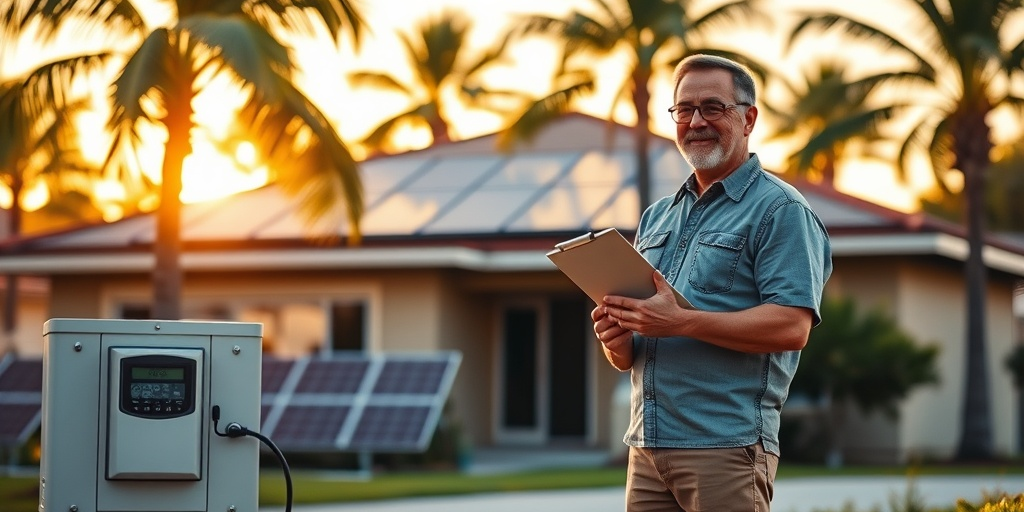
In the sunny state of Florida, the conversation around solar energy is not just growing—it’s transforming how we view energy independence and financial savings. Did you know that the average homeowner can save between $10,000 and $30,000 over 20 years by switching to solar? It’s a staggering statistic that reveals the untapped potential lying within our rooftops. Unfortunately, many homeowners remain skeptical, caught in a web of myths regarding solar panel installation and the return on investment (ROI) they can expect. This is why we proudly present our comprehensive guide, Expert Insight on Solar Panel Installation Strategies for Maximum ROI.
According to the Solar Energy Industries Association, Florida is one of the top ten states for solar installations, with over 1.5 million residential units expected to see solar in the next five years (SEIA.org). With the urgency for renewable energy solutions at an all-time high due to rising energy costs and the introduction of new solar incentives in 2025, now is the perfect time for homeowners to explore their options. Moreover, recent studies have shown that property owners who invest in solar are increasing their home value by an average of 4.1% (Energy.gov).
The year 2025 will bring new solar policies that can redefine the state’s energy landscape. In this blog post, we will delve into five crucial sections:
- An in-depth Case Study that illustrates the real-world impact of a solar investment.
- A practical Checklist for Florida homeowners considering solar panel installation.
- Myth-Busting the common misconceptions surrounding solar energy.
- Local Focus on Florida-specific data and incentives.
- A Technical Deep-Dive into the components that make up a solar energy system.
By the end of this guide, you’ll be equipped with the knowledge to transition smoothly into solar energy, maximizing your savings while securing a sustainable future for your family.
Unlocking the Potential: A Deep Dive into Solar Panel Installation
Consider the story of Helen and Mark, a couple from Orlando who decided to invest in solar energy last year. After spending years wrestling with high electricity bills that consumed up to 20% of their income, they knew it was time for a change. With a little research, Helen stumbled upon Florida Electric & Solar, where they acquired expert insights and found a tailored solar solution that fit their home and budget.
Once installed, their solar panels reduced their monthly electric utility costs by 60%. Helen recalls the excitement of receiving their first true-up bill, revealing their total energy credits had exceeded their energy consumption. Their financial commitment to solar resulted not only in substantial savings but also in a significant boost in their property value (SEIA.org).
Step-by-Step Solar Installation: Your Path to Savings
Now that we’ve inspired you with a relatable journey, let’s break down the actionable steps every Florida homeowner should consider when installing solar panels. Following this checklist can make your solar transition smoother and more effective.
- Step 1: Audit Your Electric Bill
Assess the last twelve months of your electric bills to understand your average monthly usage. This data is crucial to determining the size of the system you’ll need for optimal energy generation. - Step 2: Research Incentives
Florida currently offers tax credits and rebates for solar installations, with the Federal Investment Tax Credit allowing you to deduct 26% of the cost of your system from your federal taxes until the end of 2025 (Energy.gov). - Step 3: Choose the Right Installer
Don’t settle for the first solar company that comes along. Look for firms with strong ties to the community and superior customer reviews, such as Florida Electric & Solar, to ensure quality and reliability. - Step 4: Understand Your Financing Options
Explore different financing avenues—whether it’s purchasing outright, financing through loans, or entering a power purchase agreement (PPA). Each has its pros and cons, so take the time to understand which option best suits your financial situation. - Step 5: Plan for Maintenance
Solar panels require minimal upkeep, but it’s essential to have a maintenance plan in place to ensure lasting efficiency and performance. This can include regular cleanings and inspections.
Executing these steps diligently can pave the way to maximizing your ROI and ensuring your transition to solar energy is astute and beneficial.
Debunking the Myths: Solar Energy Misconceptions
Solar energy is often surrounded by misconceptions that can cloud our judgment. It’s time to debunk these myths and empower Florida homeowners with the truth.
Myth #1: Solar Panels Are Too Expensive
Many people assume solar energy is a luxury, reserved for the wealthy. In reality, with the availability of financing options and state incentives, the cost barrier has significantly lowered. Many homeowners report paying off their systems in less than 7 years (SolarReviews.com).
Myth #2: Solar Won’t Work in Florida During Hurricane Season
Floridians often think their solar panels are at risk during severe weather, but modern solar panels are designed to withstand high winds and extreme conditions, ensuring energy production even after storms (Energy.gov).
Myth #3: Solar Panels Decrease Property Value
On the contrary, homes equipped with solar panels have a proven track record of increased resale value. Studies indicate homes with solar sell for an average of $15,000 more than similar homes without solar (SEIA.org).
Myth #4: I Can’t Go Solar Without Lots of Roof Space
Even small homes can benefit from solar through options like shared solar programs or community solar farms, which allow individuals to invest without needing a large roof area.
Myth #5: Solar Panel Technology Is Monotonous
With constant innovations in solar technology, homeowners can now take advantage of various products, such as solar shingles and building-integrated photovoltaics, highlighting an industry that is rapidly evolving.
These myths hinder progress, but addressing them empowers you to see the real potential of solar energy.
The Florida Advantage: Solar Energy in Your Backyard
Why is Florida often called the “Sunshine State”? It’s not just for tourism. With an average of 237 sunny days per year, the Sunshine State is positioned perfectly for solar energy generation. In fact, Florida boasts one of the fastest-growing solar markets in the U.S., with a staggering 77% increase in installed capacity from the previous year (NREL.gov).
- Net Metering Policies: Most utility companies in Florida participate in net metering, allowing consumers to receive credits for excess energy produced, significantly impacting long-term savings.
- State Incentives: With state tax exemptions on solar equipment and local rebates, Florida homeowners can significantly reduce the upfront investment necessary for going solar.
- Community Solar Projects: Residents without suitable roofs can participate in locally owned solar projects, reaping all the benefits of renewable energy without needing a solar installation on-site.
By leveraging these unique local advantages, you can maximize your investment while backing Florida’s clean energy future.
Understanding Your Solar System: The Essential Tech Overview
For anyone considering solar, a thorough understanding of the technology behind these systems is crucial. This technical deep dive will guide you through the components that define your solar experience.
- Solar Panels: The most visible component, these panels convert sunlight into electricity through photovoltaic cells. Understanding the efficiency ratings and warranties is crucial in evaluating your choices.
- Inverters: These devices convert the DC electricity generated by solar panels into AC electricity, which your home uses. Choosing high-quality inverters can greatly enhance your system’s performance and lifespan.
- Batteries: Energy storage systems allow you to store excess energy generated during peak sunlight hours for later use. This is particularly advantageous during storms or power outages.
- Monitors: Monitoring your solar system’s performance is crucial. It helps you understand your energy generation and consumption, enabling better financial management.
- Interconnection: Understanding how your solar system interconnects with the grid is essential for grasping the net metering arrangements and other financial advantages.
Each of these components plays a significant role in maximizing your ROI and ensuring that you receive the full benefits of solar energy.
Next Steps for Florida Solar Buyers in 2025
Now that you’ve equipped yourself with knowledge, it’s time to take action and solidify your plans for going solar. Follow the steps outlined below to minimize friction and ensure a seamless transition.
- Step 1: Audit Your Electric Bill
Gather your electric bills for the past year to establish a baseline for your energy consumption and the costs involved. - Step 2: Explore Available Incentives
Research federal and state incentives that are available for your new solar installation. Many of these opportunities can significantly lower upfront costs. - Step 3: Get Multiple Quotes
Reach out to several reputable solar installers. Getting multiple quotes will ensure you have a variety of options, helping you to choose the best fit for budget and energy needs. - Step 4: Arrange for a Site Assessment
Have your potential installers conduct site assessments to evaluate roof suitability, shading issues, and optimal panel placement. - Step 5: Secure Financing
Finalize your financing plan based on the potential loan, credit options, or lease agreements that work best for your financial context.
These steps will help propel your solar journey forward, ensuring you take full advantage of your investment.
As we wrap up this exploration into the incredible world of solar energy, remember the journey you will embark on—one that offers you both financial empowerment and environmental stewardship. With the knowledge you’ve gained today, you’re not just transforming your home; you’re embracing a future fueled by renewable energy that benefits both your family and the planet. The choice to go solar is timely and impactful.
So, are you ready to start your solar journey in 2025? Connect with a certified expert at floridaelectricandsolar.com today.
Related Articles
More insights about Solar Panel

Florida Homeowners: Why Solar Panel Maintenance Is Essential

7 Essential Steps for Solar Panel Installation Success

Expert Insights: Key Factors Influencing Solar Panel Lifespan
Ready to Go Solar?
Have questions about solar energy? Our experts are here to help you make the switch to clean, renewable energy.