
Expert Insights on Solar Panel Lifespan You Must Know
Share:
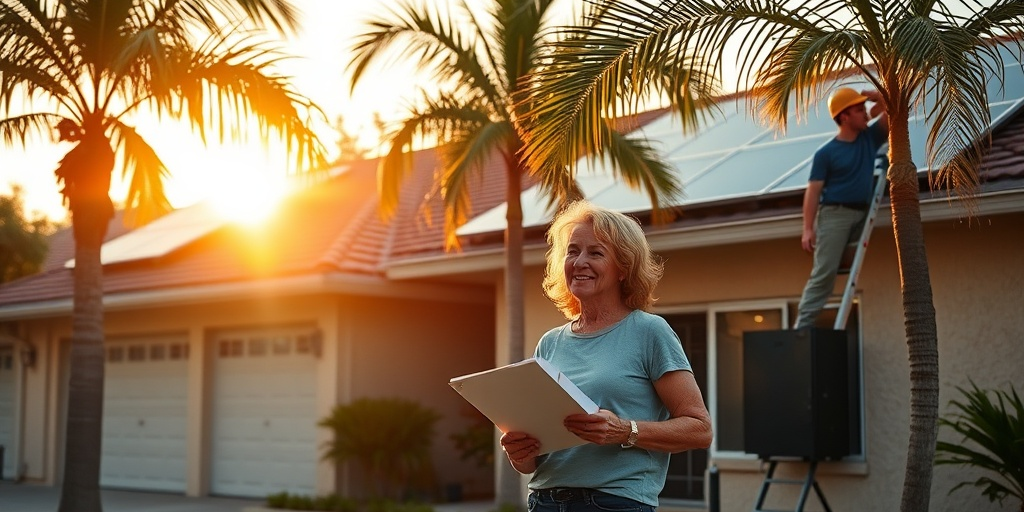
What if your home could generate its own power and remain resilient against rising utility prices? This isn’t just a dream but a reality for many Floridians who have embraced solar energy. In fact, over 500,000 homes across the United States are powered by solar panels, and that number is projected to double by 2025 (SEIA.org). Whether you’re concerned about skyrocketing electricity bills or the desire to contribute to a cleaner environment, understanding the longevity of solar panels is crucial. In our article titled, Expert Insights on Solar Panel Lifespan You Must Know, we will delve into the essential aspects of solar panel longevity—from maintenance to performance variability. With solar incentives on the rise and energy costs continuing to escalate, this information is more pertinent now than ever. In the upcoming sections, we will explore compelling case studies, a practical checklist for maximizing solar power investment, debunk common myths about solar panels, take a local focus on Florida-specific factors, and provide an in-depth technical analysis to ensure you’re informed about what to expect with your solar energy system.
Understanding Solar Panel Lifespan: What You Need to Know
When Rebecca Thompson from Tampa decided to install solar panels on her home, she envisioned reduced electricity bills and an environmentally friendly future. However, she soon discovered that proper maintenance and understanding the expected lifespan of her solar panels played a pivotal role in enjoying those benefits. Solar panels typically last between 25 to 30 years, but this lifespan can be affected by a multitude of factors that Florida homeowners need to consider.
- Annual Cleaning: Dust, dirt, and pollen can accumulate on solar panels, particularly during the hot Florida summers. Regular cleaning ensures optimal performance and prolongs the lifespan of your panels.
- Monitoring and Maintenance: Keeping track of production metrics can help identify issues early. A decrease in energy generation might indicate that your panels need maintenance.
- Quality Matters: Invest in high-quality panels from reputable manufacturers. According to the Solar Energy Industries Association, premium brands often come with better warranties and performance guarantees (SEIA.org).
The upcoming sections will provide you with an in-depth exploration of solar panel longevity. We’ll share a remarkable case study, a detailed checklist to keep your solar investment in check, debunk common myths about solar panel lifespan, focus specifically on Florida’s unique climate and regulations, and conduct an intricate technical analysis of the systems in place.
The Lifeblood of Solar Panels: A Case Study
Let’s take a closer look at the journey of Rebecca, a hypothetical Florida homeowner who decided to invest in solar energy. After researching various companies, she chose Florida Electric & Solar for their sterling reputation and commitment to customer education. Upon installation, she learned not only about the long-term savings but also the best practices for maintaining her system.
Rebecca had noticed her neighbors with older panels experiencing decreased output. Curious, she reached out to her installer for insight. The technician explained that older panels, especially in coastal areas, may suffer from salt damage, impacting their efficiency. This information prompted Rebecca to schedule annual inspections, ensuring her system remained efficient. She also took advantage of Florida’s sunny climate by investing in a smart monitoring system that allowed her to keep track of energy production.
This scenario illustrates the importance of maintaining a robust solar investment. Today, Rebecca’s system continues to generate energy efficiently, contributing to her savings while advocating for solar power in her community. With solar power capable of reducing household carbon footprints by 80% or more, stories like hers underscore the impact of informed decision-making when investing in solar systems.
Checklist for Solar Panel Maintenance in Florida
Ready to ensure your solar investment lasts? Here’s a step-by-step checklist to maximize the lifespan of your solar panels:
- Step 1: Schedule Annual Inspections: Fortify your investment by booking an annual assessment to check for wear and tear that could affect performance over time.
- Step 2: Clean Panels Regularly: Plan a cleaning schedule to remove any debris or buildup from your panels, especially after pollen seasons or heavy storms.
- Step 3: Monitor Energy Output: Utilize monitoring technology to keep track of production metrics and quickly detect any drops in energy generation.
- Step 4: Be Weather-Wise: In areas affected by hurricanes, consider installing protective measures to minimize storm damage.
- Step 5: Consult Local Experts: Regularly engage with a trusted solar provider like Florida Electric & Solar to stay updated on best practices and potential upgrades.
These steps are vital in ensuring your solar panels remain productive and equitable for years to come. Now, let’s dive deeper into some common misconceptions surrounding solar panel longevity.
Myths About Solar Panel Lifespan: Debunking Common Misconceptions
Are you unsure what to believe about solar panels? Let’s tackle some common myths head-on:
- Myth #1: Solar Panels Don’t Last Long Enough: While older solar systems may degrade more quickly, modern panels can last beyond 30 years with proper care, providing a great return on investment (NREL.gov).
- Myth #2: Maintenance Is Too Costly: Routine maintenance can save you money by enhancing efficiency and preventing larger repairs, which are far more costly over time.
- Myth #3: All Panels Are the Same: Product variations exist! Premium panels often feature better resilience to Florida’s unique weather conditions, leading to increased longevity.
- Myth #4: Solar Energy Is Not Reliable: Solar energy reliability is increasing with advancements in battery storage and grid independence; you can utilize stored energy during low production periods.
- Myth #5: Florida’s Sunshine Guarantees Full Production: While sunlight is abundant, factors such as shade or residual storm damage can impact energy output, highlighting the need for diligent monitoring.
Understanding these misconceptions allows homeowners to invest wisely and feel empowered about their choices. As we move into our next section, let’s examine why Florida’s unique attributes can influence solar panel performance.
Florida Focus: Specific Considerations for Solar Power
Florida is nicknamed the “Sunshine State” for a reason—the sun shines over 260 days a year! Yet, solar panel longevity in Florida involves understanding local weather conditions and policies. Here are some Florida-specific insights that every homeowner should keep in mind:
- Heat Exposure: Florida’s high temperatures can accelerate degradation in lower-quality panels, leading to diminished energy output over time. Investing in high-efficiency panels yields better long-term benefits.
- Humidity and Coastal Salinity: Florida homes close to the coast face additional scrutiny; corrosion from saltwater can significantly affect panel materials. Protective coatings or specially designed equipment may be necessary.
- State Incentives: Keeping up with state incentives could influence your maintenance schedule, as availability may change. Tax credits and rebates can incentivize equipment upgrades that improve longevity.
- Hurricane Preparedness: Given the hurricane threat in Florida, securing panels with appropriate mounts or considering impact-resistant options can ensure your investment withstands extreme weather.
Understanding these factors is essential for Florida homeowners considering solar panels. Now, we will transition to a deep dive into the technical aspects of solar energy systems, including how policies, components, and maintenance affect sustainability.
A Technical Deep-Dive: Understanding Your Solar Energy System
To truly grasp how to maintain solar panels, it’s crucial to understand their technical components. Here’s a breakdown to equip you with knowledge for effective solar energy management:
| Component | Function | Maintenance Steps |
| Solar Panels | Convert sunlight into electricity | Clean regularly and inspect for wear |
| Inverter | Converts DC to usable AC energy | Check for alerts; replace every 5-10 years |
| Batteries | Store leftover energy for later use | Test periodically for capacity and charge |
Solar panels operate by harnessing sunlight, which is converted by the inverter into electrical energy for your home. Batteries store surplus energy that can be used when production dips, such as during overcast days or at night. Regular maintenance of these components ensures optimal performance and lengthens the overall lifespan of your system.
Moreover, as legislative efforts toward renewable energy become more favorable, understanding state policies can provide insights on long-term investments. Florida anticipates higher requirements for energy-efficient standards, potentially affecting solar policies over the coming years.
Looking ahead, it’s clear that Florida homeowners deeply invested in solar must be proactive about understanding each component and its role in overall system efficiency. Armed with insights about maintenance and potential upgrades, let’s shift gears to your actionable next steps.
Next Steps for Florida Solar Buyers in 2025
Are you ready to take the plunge into solar energy? Here’s a detailed checklist to prepare your journey:
- Step 1: Audit Your Electric Bill: Identify your average monthly energy consumption to determine what size system you might require. Comparing this with local utility rates can provide insight into potential savings.
- Step 2: Research Local Regulations: Investigate solar policies in your district. Local incentives can significantly influence your decision and overall cost savings.
- Step 3: Schedule Consultations: Meet with several solar companies, like Florida Electric & Solar, to collect quotes and receive tailored information based on your property.
- Step 4: Consider Financing Options: Explore different financing arrangements (loans, leases, power purchase agreements) to find a plan that suits your finances and lifestyle.
- Step 5: Finalize Your Installation: Once you have made your choice, strategize the installation process with your selected provider, keeping open communication about any concerns or preferences.
Following these steps guarantees that you are not only making an informed decision but also maximizing the advantages of investing in solar energy. Your solar journey begins with knowledge, which sets the foundation for a sustainable future.
In conclusion, moving toward solar energy in Florida is not just about decreasing your electric bills. It is about making a commitment to a more sustainable future for yourself and your family. Understanding the nuances of solar panel lifespan, debunking myths, considering local factors, and preparing your investment comprehensively can pave the way for a fruitful experience.
If you want to experience the vibrant benefits of solar energy in your home, there’s no better time than now. Ready to start your solar journey in 2025? Connect with a certified expert at floridaelectricandsolar.com today.
Related Articles
More insights about Solar Panel

Florida Homeowners: Why Solar Panel Maintenance Is Essential

7 Essential Steps for Solar Panel Installation Success

Expert Insights: Key Factors Influencing Solar Panel Lifespan
Ready to Go Solar?
Have questions about solar energy? Our experts are here to help you make the switch to clean, renewable energy.