
Expert Insight on Solar Panel Lifespan and Maintenance Tips
Share:
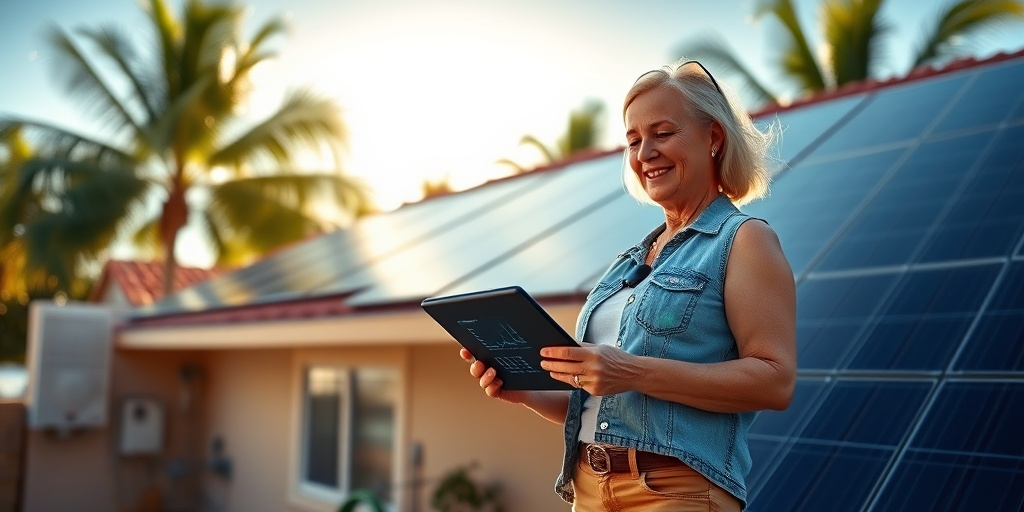
As Florida homeowners and commercial property owners look toward the future, the topic of solar energy has never been more pressing. Did you know that more than 1.5 million U.S. homes now use solar energy systems? That’s a staggering statistic considering that just a decade ago, solar was still largely viewed as a niche option. This dramatic growth is indicative of a larger trend—you can maximize your investment and ensure long-term performance by understanding key components of solar technology, including lifespan and maintenance. This article, titled Expert Insight on Solar Panel Lifespan and Maintenance Tips, is designed to help you navigate this important subject. In Florida, where sun exposure is abundant, the push toward solar power has been further accelerated by initiatives such as the Solar Energy System Incentives (SEIA.org), which offer homeowners financial relief to make the switch. In 2025, as energy costs continually rise and tax incentives become more attractive, understanding the longevity and necessary upkeep of your solar system is crucial. Over the next five sections, we’ll explore how to maximize your solar investment, debunk common myths, highlight essential maintenance practices, share a compelling narrative from a Florida homeowner, and present actionable steps for seamless adoption in 2025.
Understanding Solar Panel Lifespan: Beyond Just the Numbers
When considering your shift to solar energy, it’s vital to grasp how long you can expect your panels to perform based on the type you select. Most solar panels currently on the market are designed to last between 25 to 30 years, which is a considerable lifespan compared to other appliances and energy sources. However, lifespan isn’t just about the potential longevity of your system; it’s also contingent on proper maintenance. Let’s dive into a case study to illustrate this point and explore some actionable steps for maintaining your solar panels effectively.
Case Study: The Johnson Family Goes Solar
Meet the Johnson family from Miami, Florida. Like many Floridians, they struggled with rising energy costs, which were eating into their savings. After much research, they made the decision to invest in solar energy. They installed high-efficiency solar panels in 2021, encouraged by the state incentives and environmental benefits. However, they quickly realized that their experience didn’t end after installation; in fact, it was just the beginning. With an average annual maintenance expense of $200, the Johnsons learned to prioritize keeping their panels clean and performing optimally. They soon discovered that regular maintenance not only extended their system’s lifespan but also improved its efficiency by as much as 20% (SolarReviews.com).
Checklist for Maintaining Your Solar Panels
To ensure that you’re on the path to reaping the full benefits of solar energy, follow this maintenance checklist:
- Regular Cleaning: Dust and debris can accumulate on the panels, reducing their energy output. We recommend cleaning them at least twice a year.
- Inspection of Connections: Regularly inspect the electrical connections and panels for any signs of damage. Connectors should be tight, and there should be no discoloration.
- Monitoring System Performance: Use monitoring software to track your energy production. Most systems offer real-time tracking, alerting you to any declines in performance.
- Check for Shade Obstruction: Ensure no tree branches or buildings are creating shadows on your panels. Trim trees or relocate smaller obstructions as necessary.
- Consult Professionals: Schedule a yearly inspection with a certified solar technician to manage technical work, ensuring everything is as efficient as possible.
By staying proactive and following these steps, families just like the Johnsons can maximize their energy savings while extending the lifespan of their solar investment.
Debunking Common Solar Panel Myths
When it comes to misconceptions surrounding solar energy and its maintenance, several myths are ripe for debunking:
- Myth #1: Solar panels are maintenance-free.
This is simply not the case. Although they require minimal upkeep, regular cleaning and inspections are essential to keeping them operating efficiently. - Myth #2: Solar panels don’t work well on cloudy days.
While they may produce less energy in overcast conditions, solar panels can still function effectively with diffused sunlight. - Myth #3: Only new panels need maintenance.
Older systems especially require evaluations to ensure they are still functioning optimally and may need upgrades or replacements.
Understanding these myths will empower you to make better decisions as you consider a solar transition. In Florida, where solar is rapidly growing in popularity, misconceptions can lead to hesitance towards a highly beneficial resource.
Technical Deep-Dive: The Inner Workings of Your Solar System
The lifespan of your solar panels also depends on several technical factors, including their type, installation, and location. Let’s focus on three critical components:
- Solar Panels: The two most common types of residential panels are monocrystalline and polycrystalline. Monocrystalline panels are known to last longer and are generally more efficient but cost more upfront.
- Batteries: In solar systems that include storage, batteries are critical. Understanding their lifespan (typically 5-15 years) and maintenance can affect your whole setup.
- Inverters: An inverter converts the direct current (DC) produced by solar panels to alternating current (AC). Regularly checking inverter performance can identify faults early.
Being informed about each of these elements will allow you to spot early warning signs and ensure a longer life for your solar system overall. Utilizing techniques to prolong their performance is especially important in Florida, where the sun consistently shines, making solar energy a genuine opportunity for renewable savings.
As we transition to the next section, consider how these aspects of your solar system collectively contribute to a powerful transformation in energy management.
Five Solar Installation Tips for 2025
Our journey continues with insightful tips designed for Florida homeowners venturing into the world of solar power. With 2025 on the horizon, the following recommendations will structure your decisions and elevate your experience:
1. Don’t Skimp on Panel Placement
Strategically place your solar panels to maximize sun exposure throughout the day. Poor placement can lead to significant energy loss.
2. Opt for High-Quality Components
Buying only the best panels, inverters, and batteries can save you considerable hassles down the line. Although they may cost more initially, the long-term gains in productivity and lifespan will outweigh expenses.
3. Research Local Incentives
Florida residents often have access to state-specific solar incentives that can greatly reduce installation costs. Check with your local government and utility for programs that fit your needs.
4. Understand Your Energy Needs
Analyze your energy consumption patterns, as this will help you determine the ideal capacity of your solar system. Awareness of your energy demand will guide you in selecting the appropriate system size.
5. Stay Updated with Technological Advances
Solar technology continues to evolve at a fast pace. Stay informed of new advancements, incentives, and innovations that can further enhance your solar experience.
With the right tips and knowledge at your disposal, your solar journey can be incredibly rewarding. You can connect with expert professionals to simplify your journey and help you make informed decisions.
Sarah’s Solar Journey: A Florida Homeowner’s Story
To illustrate the impact solar power can have on a homeowner’s life in Florida, let’s take a look at a fictional yet realistic scenario involving Sarah, a single mother from Orlando. Overwhelmed by her rising electricity bills, she desperately sought alternatives and ultimately decided to install solar panels in 2025.
Sarah’s Solar Experience
After her installation went live, Sarah received a shockingly low energy bill, dropping by 70%! Initially skeptical about the effectiveness of her investment, she grew increasingly confident as the electricity savings allowed her to allocate funds toward her children’s education. She soon learned about the importance of maintenance and monitoring through neighbor recommendations.
The Benefits of Solar Energy
- Significant Savings: Sarah’s bills plummeted, enabling her to save for a family vacation.
- Environmental Contribution: She’s proud to reduce her carbon footprint and contribute to a greener planet.
- Energy Independence: Solar gives her control over her power usage and expenses.
Sarah’s story encapsulates not just the financial benefits of solar energy but also the social consciousness and empowerment that come with it.
As we conclude, it’s crucial to consider how Sarah’s experience parallels the opportunities available to every Florida homeowner. Innovative technology and incentives make accessing solar power easier than ever before.
Next Steps for Florida Solar Buyers in 2025
Congratulations! You’re now equipped with critical knowledge about solar panel lifespan and maintenance. As you gear up for your solar journey, follow these steps:
- Step 1: Audit Your Electric Bill: Review your current usage patterns to identify how much energy you consume monthly.
- Step 2: Research Solar Options: Look into the various solar solutions available, including panels, inverters, and batteries.
- Step 3: Connect with Local Experts: Engage a certified solar installer like floridaelectricandsolar.com to provide insights on the best options tailored to your energy needs.
- Step 4: Explore Financing and Incentives: Check for federal, state, and local incentives that can decrease your overall expenses.
- Step 5: Schedule Installation: Once you’re well-informed, schedule your solar panel installation, and prepare to enjoy the benefits!
By taking these steps, not only will you maximize savings, but you’ll also contribute to creating a sustainable future for Florida.
Conclusion: Shaping Your Solar Future
As we recap your journey through the rich context of solar panel lifespan and maintenance, remember the potential for savings, energy independence, and environmental stewardship. The transition to solar energy in Florida promises significant benefits in the form of reduced utility bills and increased home value. 2025 presents unique opportunities to adopt this sustainable technology and transform your energy management.
Your family deserves the empowerment and savings that solar can provide. With the tips and insights shared in this article, an informed transition becomes not only possible but enjoyable. Are you ready to start your solar journey in 2025? Connect with a certified expert at floridaelectricandsolar.com today.
Related Articles
More insights about Solar Panel

Florida Homeowners: Why Solar Panel Maintenance Is Essential

7 Essential Steps for Solar Panel Installation Success

Expert Insights: Key Factors Influencing Solar Panel Lifespan
Ready to Go Solar?
Have questions about solar energy? Our experts are here to help you make the switch to clean, renewable energy.