
Expert Insight on Solar Panel Lifespan and Performance Factors
Share:
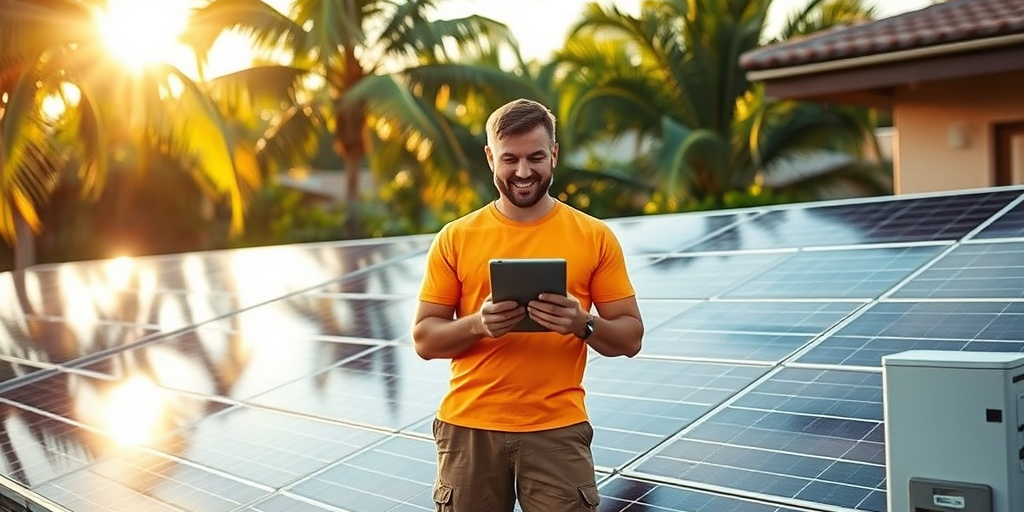
In a world where energy demands are surging and climate challenges are looming, the importance of solar energy has never been more pronounced. For instance, solar power in Florida has the potential to reduce energy bills by 50% or more—an enticing benefit for many homeowners navigating rising electric rates (Energy.gov). But how long can you expect your solar panels to last, and what factors influence their performance? This article, titled Expert Insight on Solar Panel Lifespan and Performance Factors, delves into these crucial questions while equipping both Florida homeowners and commercial property owners with the knowledge needed to make informed energy decisions in 2025 and beyond.
Understanding the lifespan of solar panels is not just about knowing how long they last; it also relates directly to your financial investment and environmental sustainability. Surprisingly, recent studies indicate that high-quality solar panels can last upwards of 25 to 30 years (SolarReviews.com). However, performance can drastically vary based on various factors, from installation quality to maintenance practices. As we approach 2025, it becomes even more urgent to understand how these elements interact, especially given that approximately 1.2 million households in Florida could potentially enhance their energy profiles through solar adoption (SEIA.org).
In this comprehensive guide, we will explore the following sections: First, we will dive deep into the intricacies of solar panel lifespan and factors affecting performance; next, we will provide a checklist of actionable steps you can take to maximize your solar investment. We will then debunk common myths associated with solar energy, followed by a focus on the unique landscape of Florida’s solar market. Lastly, we will conduct a technical deep dive into the components of solar systems to better understand their energy generation capabilities. Let us embark on this illuminating journey together!
Unlocking the Secrets: Solar Panel Lifespan and Performance Factors
When it comes to solar panels, the promise of sustainability and savings is matched only by the reality of their performance over time. Consider Jane, a homeowner in Sarasota, Florida, who invested in solar panels five years ago. Jane was not only seeking to reduce her electric bill; she wanted to contribute to the environment. However, a year in, she noticed a decline in her energy generation. Frustrated and confused, she wondered: “Are my panels failing, or is there something I misunderstood about how they work?” This common scenario highlights the need for every potential solar buyer to understand the various factors impacting solar panel lifespan and performance.
One critical aspect to consider is the quality of the solar panels used. Premium brands, like SunPower and LG, commonly offer more robust warranties of 25 years. Meanwhile, lower-quality panels typically come with shorter lifespans and warranties, setting the stage for a significant impact on your return on investment. A statistic worth noting is that high-quality solar panels can maintain approximately 90% of their efficiency after 25 years, while cheaper alternatives might degrade at a faster pace (NREL.gov).
To ensure your solar investment pays off, consider these essential factors:
- Installation Quality: Proper installation is critical to maximizing performance. Poorly installed systems can lead to inefficiencies that reduce energy production.
- Geographical Location: As a Florida resident, you enjoy ample sunshine, but local weather patterns and shading can also affect performance. Planting trees can be beneficial, but be mindful of their potential impact on panel exposure.
- Regular Maintenance: Just like any home appliance, solar panels require occasional maintenance to ensure optimal functioning. It’s advisable to keep your panels clean and check for damages after major storms.
- Age of Panels: The technology has advanced significantly over the years. Newer models tend to have better warranties, efficiency ratings, and degradation rates.
- System Design: The design of the solar array plays a significant role in energy generation. Understanding the optimal angle and direction can further enhance performance.
By closely examining these factors, you are better equipped to understand how to maximize the lifespan and effectiveness of your solar panels. For example, a well-installed system in a sun-drenched location that undergoes regular professional maintenance can outlast its lower-quality counterparts. Additionally, it’s imperative to stay informed about the advancements in solar technology, especially with potential new incentives and financing options in 2025—such as the Investment Tax Credit (ITC) that currently allows you to deduct 30% of your solar costs from your federal taxes.
As we move on to unravel more insights about solar energy, let’s take the next steps toward becoming astute solar investors.
5 Steps to Optimize Your Solar Investment
Want to ensure you’re getting the most out of your solar energy system? Follow these five actionable steps to maximize performance while minimizing potential issues.
- Step 1: Audit Your Electric Bill
Start by reviewing your electric bills to understand your average consumption. This will help you size your system accurately and target your energy-saving goals effectively. - Step 2: Choose Quality Products
Invest in high-quality solar panels and inverters. Research reputable brands and look for established warranties that guarantee years of performance. Remember, price should not be the only deciding factor; long-term value is key. - Step 3: Hire Experienced Installers
Selecting an experienced contractor can make all the difference. Check reviews, ask for references, and verify their licensing and insurance. An expert installation will reduce the risk of problems down the line. - Step 4: Schedule Regular Maintenance
Don’t neglect your system after installation. Schedule annual inspections to identify any issues early and keep your panels clean for maximum efficiency (especially important in Florida’s hot climate). - Step 5: Monitor Your System Performance
Use monitoring tools to keep an eye on your system’s production. Many systems come with apps that allow for real-time data tracking; make it a point to use these features.
By implementing these steps, you’re not just investing in solar; you’re investing wisely. Properly auditing your usage can lead to reduced energy costs, while hiring qualified professionals guarantees minimal headaches later on. Regular maintenance and monitoring ensure you wouldn’t fall victim to any losses in performance, securing your hard-earned savings.
Now that we’ve laid the groundwork for maximizing returns, let’s debunk some myths that may deter or mislead potential solar adopters.
Debunking Common Solar Myths
As with many technologies, a bit of misinformation can sow seeds of doubt. Here are some widely held myths surrounding solar energy that need to be cleared up for Florida homeowners and business owners looking to invest in solar systems.
- Myth #1: Solar Panels Don’t Work in Cloudy Weather
Reality: While solar panels generate less energy on cloudy days, they can still produce significant power compared to no generation at all. Even in cloudy weather, solar panels can produce around 25-35% of their peak capacity (EnergySage.com). - Myth #2: Solar Energy is Only for Wealthy Homeowners
Reality: Many financing options and incentives are now available, making solar energy accessible for homeowners from all financial backgrounds. Programs like PACE and no-money-down financing can help you significantly lower upfront costs! - Myth #3: Solar Panels Require Constant Maintenance
Reality: Maintenance is relatively straightforward! Most systems require little upkeep—like occasional cleaning and annual inspections, which can usually be performed by local professionals. - Myth #4: Installing Solar Panels Decreases Property Value
Reality: In many cases, properties with solar installations can sell for more than comparable houses without solar panels. Studies have shown homes with solar systems sell faster and at a higher price (SolarEnergy.org). - Myth #5: Solar Panels are Ineffective in Florida’s Humidity and Heat
Reality: Modern solar technology is designed to withstand various environmental conditions. In fact, Florida’s sunny climate is well-suited for solar energy generation, contributing to its reputation as one of the leading states for solar installations.
With these myths debunked, you’re armed with the truth—you’ll feel more confident investing in solar energy, understanding the immense value it can add to your life. But knowing how Florida’s regulatory framework and market works is just as crucial for making the most of your solar journey.
Florida’s Solar Energy Landscape: A Unique Advantage
Florida’s unique solar landscape presents massive opportunities for homeowners and businesses alike. As an example, all Floridians benefit from a clarified policy environment favoring solar adoption. In 2025, those looking to install solar in the Sunshine State may find various incentives enhancing their bottom line. For instance, Florida currently lacks a solar tax, unlike many other states. Therefore, installations can often reflect their true value without the burden of additional taxation (DSIREUSA.org). Moreover, the ongoing transition to clean energy has prompted local governments to embrace solar-friendly practices, including permitting efficiencies.
In addition, the much-discussed trend of net metering plays an essential role in the economics of solar energy. Florida’s net metering allows homeowners to receive credits for surplus energy produced, making solar systems more economically attractive. By generating more energy than you consume, you could offset your future electric costs and potentially earn money back over time.
Here are a few noteworthy elements defining Florida’s solar landscape:
- Incentives and Rebates: Florida offers various state and local incentives designed to reduce initial costs. Homeowners can take advantage of programs that mitigate upfront expenses.
- Community Solar Programs: These programs allow residents to subscribe to larger solar arrays built elsewhere, enabling participation in solar production without installation costs.
- Innovative Financing Options: Options such as solar loans or leasing mean that solar panels can be installed with little to no upfront cost for many homeowners.
- Strong Solar Growth: Florida consistently ranks among the top states for solar capacity. This growth has driven down prices, making solar investments even more attractive to new adopters.
- Educational Initiatives: Local utility companies often run programs educating consumers about solar energy, helping demystify the process and encouraging more Floridians to engage with renewable resources.
The landscape for solar in Florida has never been more inviting, presenting a huge opportunity for homeowners to harness solar energy. As we shift towards examining the technical components of solar systems, remember that understanding these elements directly correlates to informed decisions and higher efficiency.
Understanding Solar Technology: A Deep-Dive into Components
To fully appreciate your solar system’s value, it’s essential to understand its components. Think of your solar energy system as a symphony; each part plays a specific role in the overall performance, and when tuned correctly, they produce a remarkable output.
- Solar Panels: The heart of your system, solar panels convert sunlight into electricity. The most common types are monocrystalline, polycrystalline, and thin-film. Each has its advantages based on efficiency, aesthetics, and cost. For example, monocrystalline panels typically have the highest efficiencies but at a higher price point.
- Inverters: Inverters are often considered the brain of the solar system. They convert direct current (DC) electricity generated by the panels into alternating current (AC), which is what your home uses. High-quality inverters can last 10-15 years, so understanding their role is crucial for maintenance planning.
- Batteries: Battery systems are becoming increasingly popular as homeowners seek energy independence. They store excess energy produced during the day, allowing for usage during nighttime or cloudy weather. Investing in good battery technology can significantly enhance your solar experience.
- Mounting Systems: The mounting system is responsible for securing solar panels to your roof or ground. Proper installation and material choice are critical, as they affect durability and the overall lifespan of your solar array.
- Monitoring Systems: Finally, monitoring systems allow for real-time tracking of energy generation and consumption. Many systems come equipped with mobile apps, empowering homeowners to make informed decisions based on data.
By understanding these components, Florida homeowners can make informed choices around their solar systems. Remember, regular checks on each component will help extend the lifespan of your entire system—ensuring your investment pays dividends for many years. Now that we have navigated the technical side, let’s summarize the essential actions you can take moving forward.
Next Steps for Florida Solar Buyers in 2025
The journey towards solar adoption can feel overwhelming, but breaking it down into manageable steps empowers you to take action without hesitation. Follow this action plan to ensure your solar journey is smooth and rewarding.
- Step 1: Audit Your Electric Bill
Analyzing past bills will help identify your average yearly consumption and design a solar system that meets your needs efficiently. - Step 2: Research Quality Brands and Products
Invest time in comparing brands, products, and warranties to ensure that you pick the best technology that suits your lifestyle and budget. - Step 3: Engage Professional Installers
Interview multiple contractors and select a licensed and insured professional with proven experience in the local solar market. - Step 4: Plan Your System’s Orientation
Work with professionals to determine the optimal angle and direction of your solar panels for maximum energy capture. A south-facing angle with minimal shading is often ideal. - Step 5: Schedule Routine Maintenance and Monitor Performance
Following installation, ensure to regularly check panel performance and schedule maintenance check-ups to avoid efficiency declines.
Following these steps will position you well for a seamless and beneficial solar adoption experience. Are you ready to harness the savings and benefits that come with solar energy? Don’t hesitate: connect with a certified expert at floridaelectricandsolar.com today!
In conclusion, navigating the solar energy landscape is an incredible journey that holds immense benefits for Florida homeowners and commercial property owners alike. From understanding solar panel lifespan and performance factors to debunking myths, you are now equipped with the tools to make a well-informed decision. Maximizing your investment is just as essential as making the initial choice to go solar. With an abundance of incentives, innovative technologies, and a ripe market; 2025 promises to be a game-changing year for those striving for energy independence. So take that step today, and enjoy the myriad of benefits solar energy can bring to you and your family.
Ready to start your solar journey in 2025? Connect with a certified expert at floridaelectricandsolar.com today.
Related Articles
More insights about Solar Panel

Florida Homeowners: Why Solar Panel Maintenance Is Essential

7 Essential Steps for Solar Panel Installation Success

Expert Insights: Key Factors Influencing Solar Panel Lifespan
Ready to Go Solar?
Have questions about solar energy? Our experts are here to help you make the switch to clean, renewable energy.