
Expert Insight: Understanding Solar Panel Maintenance for Longevity
Share:
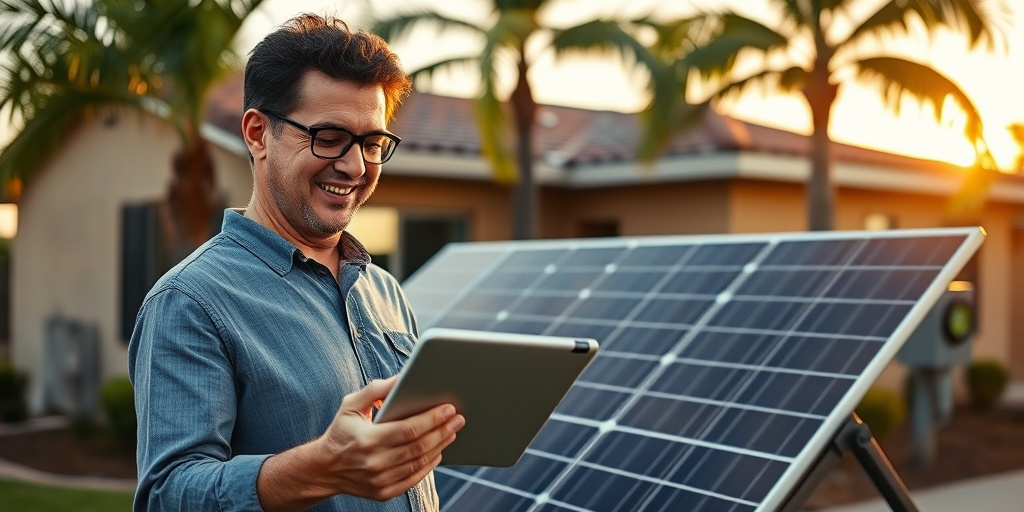
The sun casts its rays over Florida, showering its homeowners with energy and opportunity. Did you know that solar panels can last over 25 years, but without proper maintenance, their efficiency can dwindle significantly? Research shows that maintaining solar panels can enhance their output by up to 20% (SolarReviews.com). Welcome to “Expert Insight: Understanding Solar Panel Maintenance for Longevity,” where we delve into the essential practices that maximize your solar investment, ensuring your sun-kissed rooftop continues to harvest energy effectively. In 2025, as energy costs skyrocket and environmental awareness grows, maintaining your solar panels is more crucial than ever. This guide aims to equip you with the knowledge you need to protect your investment amidst a rapidly changing energy landscape. We will explore five sections: 1) the life cycle of solar panels through emotional case studies, 2) a detailed checklist for routine maintenance, 3) debunking popular myths surrounding solar upkeep, 4) focusing on local aspects relevant to Florida, and 5) a technical deep dive into system components and potential pitfalls. Let’s embark on this enlightening journey to ensure your solar panels shine bright for years to come!
Understanding Solar Panel Maintenance: The Key to Longevity
Picture this: It’s a sweltering summer afternoon in Florida, and the Gonzalez family is enjoying the shade on their porch, oblivious to how much sunlight their solar system is capturing. Just three years ago, they made the switch to solar power, eager to cut energy bills and reduce their carbon footprint. However, one key element that eluded them was proper solar panel maintenance. One autumn, they noticed a significant decline in their energy savings. After consultations, they discovered that neglecting regular cleaning and inspections led not only to decreased efficiency but also put them at risk for costly repairs.
This narrative resonates with many Florida homeowners. The Gonzalez family’s experience highlights a fundamental truth: the longevity of your solar investment relies on routine maintenance. But before we formulate an actionable checklist, let’s first delve deeper into what proper solar panel maintenance entails. Here’s a comprehensive look at essential practices that will keep your system performing optimally.
1. Regular Cleaning: The Importance of a Clean Surface
To maintain efficiency, solar panels should be cleaned regularly to remove dirt, dust, and debris that can inhibit sunlight absorption. A study from the National Renewable Energy Laboratory indicates that solar panels can lose up to 20% of their efficiency due to accumulations of grime and other detritus (NREL.gov). Cleaning your panels can be as simple as using a hose to rinse them off, but in more challenging cases, hiring a professional service may be necessary. Also, be mindful of any unperceived bird droppings or tree sap that can create stubborn stains—these can significantly hinder performance if left unattended.
2. Quarterly Inspections: Routine Checks for Longevity
Conducting a quarterly inspection of your solar panels is vital. Look for cracks, chips, or any signs of discoloration. If you observe any issues with your panels, it’s crucial to contact a certified solar technician right away. The likelihood of elevated maintenance costs down the line increases if minor problems are not addressed promptly. Moreover, check connections—the wiring should remain intact, free from corrosion. This will enhance the life span of your solar system.
3. Structural Maintenance: Beyond the Panels Themselves
It’s essential to evaluate the roof structure and underlying mounts that support your panels during the maintenance process. Heavy Florida rains can cause shifts in mounting brackets, potentially misaligning panels. Therefore, ensuring secure installations will avoid unexpected issues. Routine checks on the structural integrity of your roof, such as after a storm, can prevent costly damages or even dangerous situations.
4. Inverter Health: Keeping a Close Eye on the Heart of Your System
The inverter is pivotal in converting the direct current generated by your solar panels into alternating current usable by your home. Understanding this technical component is vital for maximizing energy production. Inverters should typically be replaced every five to ten years, depending on the brand and model. Pay attention to the inverter display—any warning lights or error codes warrant investigation. Be proactive in tracking the health of your inverter, as well-maintained systems have been shown to operate at increased efficiencies over their life spans (SEIA.org).
5. Documentation: Keeping a Record of Maintenance Activities
Finally, document each maintenance session, noting the date, findings, and any professional assistance rendered. An organized record provides clarity regarding the overall health of your solar system and assists in future system analysis and troubleshooting. This attention to detail not only helps ensure the longevity of your solar panels but also fosters an understanding of intricate energy patterns in your home.
With this broad understanding of what solar panel maintenance entails, we transition to creating an actionable checklist that makes it easier for homeowners. The next step is straightforward, enabling Florida homeowners to take control of their solar maintenance journey.
Your Solar Panel Maintenance Checklist
Step 1: Schedule Regular Cleanings
Make a habit of cleaning your solar panels at least once every six months. In subtropical climates like Florida, which are prone to heavy rainfall, regular cleaning increases efficiency immensely.
Step 2: Conduct Quarterly Inspections
Assess your solar panels for any physical damage, while also checking that wiring connections are secure.
Step 3: Monitor Your Inverter
Keep an eye on your inverter readings and pay attention to error codes, with the goal of getting the system checked or upgraded as needed.
Step 4: Maintain Documentation
Write down observations and any maintenance work executed on your solar panels. Tracking these data points can yield useful insights over time.
Step 5: Schedule Professional Assessments
Most importantly, align with certified professionals to conduct detailed inspections to affirm the overall integrity of your solar panel system.
For expert assistance with your solar panel system, consider visiting floridaelectricandsolar.com to find a trusted partner.
Myth-Busting Solar Panel Maintenance
The landscape of solar energy is rife with myths that can hinder homeowners from understanding maintenance essentials. Here, we dismantle some of the most common misconceptions regarding solar panel maintenance.
Myth #1: Solar Panels Are Maintenance-Free
This is far from true. Solar panels require routine cleaning and inspection to maximize their efficiency and prolong their lives.
Myth #2: Rain Weather Cleans Solar Panels
While rain can help wash away some dust on panels, it may not remove sticky debris or bird droppings. Following rain, a cleaning check should still be scheduled.
Myth #3: DIY Maintenance is Always Sufficient
Though basic cleaning may be manageable, inspections by certified technicians can identify potential issues early on that may go unnoticed by an untrained eye.
Myth #4: All Solar Panels Require the Same Care
Panels differ in type, brand, and efficiency. Understanding the specifications for your particular brand can help you optimize maintenance strategies and systems.
Myth #5: Maintenance Is Too Expensive
In actuality, investing in regular maintenance can save substantial amounts on repairs and lost energy production over time, thus maximizing your overall solar savings.
Florida-Specific Considerations for Solar Maintenance
Living in Florida has unique implications for solar panel upkeep. Let’s navigate through some localized elements influential to solar panel care in this specific region.
1. High Humidity and Salinity
Coastal areas in Florida face challenges due to high humidity and salt air, which can contribute to corrosion of solar components. Regular inspections in these locales are essential to achieve longevity in the system.
2. Extreme Weather Patterns
Florida’s weather can be unpredictable, with hurricanes and tropical storms posing risks to solar panel mounting. Secure installations are vital, ensuring a safety net against high winds.
3. State Incentives for Solar Maintenance
In Florida, various rebates and incentives support solar installations but often require maintained systems to qualify. Staying on top of your maintenance can make financial sense.
4. Applicability of Local Solar Regulations
Local laws can dictate specific installation and maintenance standards in Florida counties. Ensuring compliance with these guidelines can facilitate both safety and performance standards.
5. Unique Wildlife Interactions
Invasive species like iguanas and native birds can damage solar panels. Regular maintenance checks should include assessments of wildlife interactions to prolong effectiveness.
Understanding these Florida-specific considerations allows homeowners to filter out standard practices versus localized behaviors. Next, let’s execute a technical deep-dive, exploring the system components critical to maintain.
Technical Deep-Dive: Understanding Solar System Components
To ensure longevity in your solar panels, it’s pivotal to delve deeper into their various components. Understanding the intricacies of solar technology enables homeowners to appreciate the importance of maintenance.
1. Solar Panels: The fundamental technology harnessing sunlight to produce energy. These panels, composed of photovoltaic cells, remain susceptible to performance losses without adequate upkeep. Newer iterations boast improved efficiency, yet they too are not immune to debris and previously mentioned environmental factors.
2. Inverters: As the core of your solar system, inverters should receive utmost care. Opt for quality inverters built to last, and keep up to date with firmware updates and performance checks to assure optimal functionality over time.
3. Battery Systems: In cases where battery systems are integrated, these components also require maintenance. Batteries need to be checked for performance indicators regularly and replaced after their lifecycle, improving energy stability at your property.
4. Monitoring Systems: Many systems come integrated with monitoring technologies that facilitate performance monitoring. Familiarize yourself with this technology; operators should learn how it functions so they can act when efficiency dips.
5. Connection Mechanisms: The integrity of your wiring can propel or impede the flow of energy. Connections should be resilient, demonstrating no signs of wear and tear to prevent the loss of energy that leads to reduced savings.
This technical analysis elucidates the importance of understanding your solar system beyond mere aesthetics. Conclusively, homeowners equipped with knowledge on component functionality will inherently approach maintenance with greater care and commitment.
Next Steps for Florida Solar Buyers in 2025
Owning solar panels is an environment-altering decision, and ensuring they function at maximum capacity is paramount. Here’s a straightforward plan to take action:
Step 1: Audit Your Electric Bill
Begin your solar journey by examining electric bills closely. This will provide clarity on potential savings from switching to solar and tracking your system’s impact thereafter.
Step 2: Schedule an Initial Inspection
Before any rooftop installations, hire a certified solar professional to inspect your property. An assessment facilitates an informed installation tailored to your energy needs.
Step 3: Organize Scheduled Maintenance
Upon installation, map out a calendar for future maintenance tasks, ensuring regular cleaning and inspections remain a priority.
Step 4: Stay Compliant with Local Rules
Educate yourself on the local regulations that pertain to solar panel installations and maintenance in your area. Compliance will protect your investment.
Step 5: Maximize Available Resources
Utilize resources available through expert websites such as floridaelectricandsolar.com for additional guidance, assistance, and related services.
Conclusion: Embrace Solar Panel Maintenance for a Brighter Future
In conclusion, this comprehensive exploration of solar panel maintenance identifies essential practices to pave the way for longevity and effectiveness. By dispelling common myths, creating actionable checklists, and understanding the specific nuances of maintaining solar panels in Florida, homeowners can take control of their energy independence. Remember, the choice to invest in solar energy is not merely a financial decision but a commitment to environmental stewardship for future generations. As new incentives arise and energy costs escalate in 2025, it remains ever more urgent to care for your solar system to maximize savings and ensure performance.
Ready to start your solar journey in 2025? Connect with a certified expert at floridaelectricandsolar.com today.
Related Articles
More insights about Solar Panel

Florida Homeowners: Why Solar Panel Maintenance Is Essential

7 Essential Steps for Solar Panel Installation Success

Expert Insights: Key Factors Influencing Solar Panel Lifespan
Ready to Go Solar?
Have questions about solar energy? Our experts are here to help you make the switch to clean, renewable energy.