
Expert Insight: Proven Solar Panel Maintenance Tips for Longevity
Share:
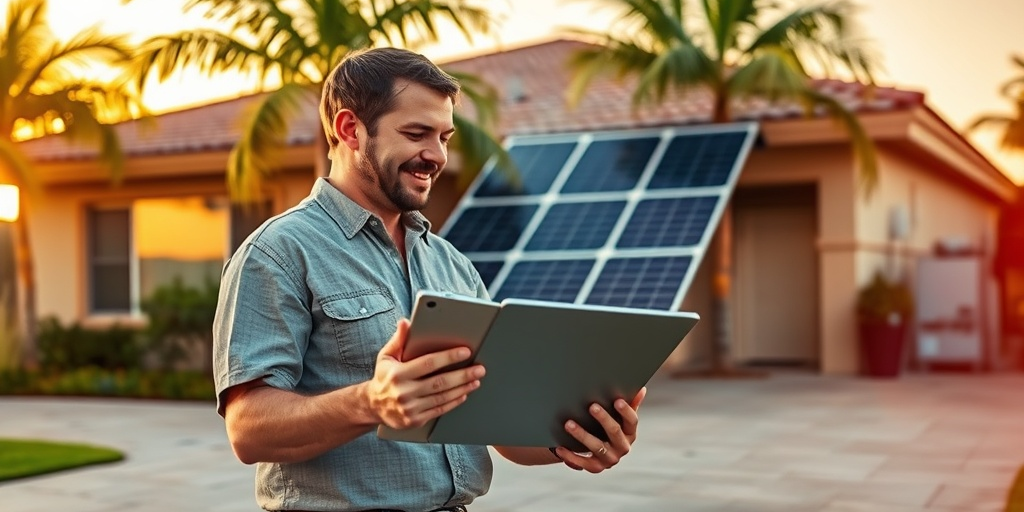
Are you aware that the lifespan of solar panels can exceed 25 years when properly maintained? Solar energy is increasingly becoming the go-to choice for Florida homeowners, with a significant increase in solar installations anticipated in 2025 owing to new state incentives and rising energy costs. In our article, “Expert Insight: Proven Solar Panel Maintenance Tips for Longevity,” we delve deep into essential skills for effective solar panel maintenance. According to the Solar Energy Industries Association (SEIA.org), Florida ranked third in the nation for solar capacity, and this trend is only expected to grow. Understanding the importance of solar panel care is urgent, especially as homeowners look for lasting returns on their investments against the backdrop of potential grid instability and rising electricity prices. In the sections that follow, we’ll explore a compelling case study illustrating maintenance impact, a practical checklist for solar upkeep, a myth-busting segment to correct common misconceptions, local insights specific to Florida, and finally, a technical deep dive into system components. By the end, you’ll be equipped with all the knowledge needed to unlock longevity for your investment, making your solar journey a successful venture.
Maintaining Solar Panels: Real-Life Impact and Strategies
Everyone dreams of a zero-energy home yet fears the associated costs of maintenance. Meet Sarah, a Florida homeowner who made the leap to solar power three years ago. Initially hesitant about the costs and upkeep of solar panels, Sarah now realizes that proper care has significantly affected her long-term savings and system performance. “Knowing I can produce my electricity gives me peace of mind,” she recalls. But it didn’t come without some challenges.
After her installation, Sarah learned about the importance of regular maintenance. Her first step was seeking advice from Florida Electric & Solar, whose expert advice guided her through the essential maintenance protocols. Here’s what she discovered:
- Regular Inspection – Checking for debris, signs of wear, and dirt accumulation is crucial. Auditing her system twice a year allows her to tackle minor issues before they escalate.
- Effective Cleaning – Depending on her location, Sarah regularly cleans her panels to ensure optimal performance. Solar panels can lose a significant amount of efficiency if dust and grime gather—up to 25% in some cases (National Renewable Energy Laboratory).
- Monitoring System Performance – Sarah monitors her energy output and compares it to monthly projections. This helps in identifying irregularities and potential faults in real-time.
- Professional Checks – By scheduling an annual professional examination, she ensures that every component of her solar system functions optimally. These inspections are crucial in uncovering hidden issues.
- Education and Awareness – Staying informed about solar technology advancements gives Sarah the confidence to maximize her system’s longevity.
But maintaining solar panels comes with its myths. Let’s debunk some common misconceptions that may prevent homeowners like Sarah from enhancing their solar experiences.
Common Myths Regarding Solar Panel Maintenance
Understanding the reality of solar panel maintenance is important to maximize your solar savings. Here are five prevalent myths:
- Myth #1: Solar Panels Need Constant Maintenance
Contrary to popular belief, most modern photovoltaic systems require minimal upkeep. Regular inspections and cleaning a couple of times a year generally suffice for optimal efficiency. - Myth #2: Solar Panels Can’t Be Cleaned With Water
Another misconception is that water damage can occur during cleaning. In fact, using water is one of the safest methods to keep panels free of dirt, especially when using soft brushes or squeegees. - Myth #3: Snow or Rain Takes Care of Cleaning
While precipitation can help, relying on it alone can lead to inefficient panels, especially where pollen or dust settles. Areas like Florida experience both humidity and pollen that necessitate manual cleaning. - Myth #4: All Panels Perform the Same
Different panel types have different maintenance needs. Knowing the kinks specific to your model can improve your solar experiences significantly. - Myth #5: DIY Solutions Are Always Best
Homeowners often dive into repairs without professional insight. This can lead to damaging the system further instead of improving it. Engaging experts ensures that repairs and maintenance are tailored specifically to your system’s needs.
Debunking these myths is essential for Florida homeowners looking to invest in long-term solar solutions. Keep in mind that local weather conditions also play a role in maintenance requirements. As solar installations continue to rise in Florida, knowing these facts can empower you to take control of your energy savings and peace of mind.
5 Essential Solar Panel Maintenance Best Practices
Ready to dive deeper? Here are five expert tips to enhance your solar panel performance in 2025 and beyond:
- Tip #1: Schedule Regular Maintenance
Routine maintenance checks help in discovering hidden problems early. Professional inspections should occur at least once a year to guarantee your solar investment remains intact. - Tip #2: Keep Records
Documenting performance metrics of your solar system assists in understanding output fluctuations. This data serves as a reference point for discussions with solar technicians. - Tip #3: Invest in Quality Equipment
Quality matters. Choosing reliable solar panels can influence efficiency and longevity. Manufacturers often provide warranties—select those that offer extended coverage. - Tip #4: Be Mindful of Overhanging Trees
Branches or leaves can block sunlight. Trim trees around your property to ensure uninterrupted solar exposure. - Tip #5: Stay Educated
As technology evolves, so should your knowledge. Stay current with industry trends that can impact solar performance and efficiency.
These practices empower Florida homeowners to maintain their solar panels effectively. Whether you’re a newcomer or an experienced solar user, frequent care can extract the maximum efficiency from your panels.
Next, let’s focus on the unique insights specific to Florida, including how local policies affect solar maintenance practices.
Florida-Specific Insights on Solar Panel Maintenance
The Sunshine State gleams with opportunities for solar energy, but understanding your specific environmental context is crucial for panel longevity. In Florida, the average number of sunny days reaches over 250 each year. While this is fantastic for solar energy production, it brings some challenges:
- High Humidity – The humidity can foster mold growth or cause panel degradation, making regular cleaning essential. Vigilant maintenance helps prevent write-offs, especially for robust 6-10 MW installations.
- Hurricane Season Precautions – Florida experiences hurricanes. Ensuring your panels are secured and assessing any damage after storm events can prevent costly repairs (Insurance Information Institute).
- State Legislation – In 2025, Florida aims to expand property tax exemptions for solar systems. Keeping abreast of these changes can support financial planning regarding solar investments (SEIA.org).
- Local Wildlife – Squirrels and other creatures may damage panels, especially in more suburban contexts. Considering protective measures like mesh screens can mitigate this risk.
- Seasonal Cleaning Needs – Specific seasons may see higher dust accumulation, particularly in spring. Adapting cleaning schedules according to seasonal changes can maintain optimal energy production.
In summary, Florida presents both unique opportunities and challenges for solar maintenance. By proactively addressing local conditions, homeowners can ensure they maximize their investment in solar power for years to come.
Technical Deep Dive: Explore the Components of Your Solar System
Understanding the technical details of solar energy systems can empower homeowners as they maintain their installations. Here’s a closer look at critical components that require regular attention:
1. Solar Panels
Knowing the make and model of your panels can help determine cleaning methods and expected lifespans. Regular assessments of efficiency can identify unwarranted performance drops. Aim for an output decline not exceeding 10-15% over 25 years (NREL.gov).
2. Inverters
Inverters convert solar energy into electrical power for household use. They should be monitored closely, as they have their warranty periods and can require replacement after 5-10 years. Regularly checking inverter performance can prevent disruptions in energy supply.
3. Batteries
If your system incorporates battery storage, regular maintenance is crucial. Inspect connections, ensure proper ventilation, and understand battery life cycles. Good housekeeping in this area can prolong battery efficiency and lifespan, promoting energy independence.
4. Mounting Systems
The mounting system secures your panels. Regular inspections for corrosion or sagging can prevent issues, particularly important in high winds typical of Florida storms. Investing in high-quality mounting solutions contributes to the long-term stability of your solar investment.
5. Monitoring Systems
Many systems now include smart monitoring for performance tracking. Homeowners should regularly check app notifications, which reflect how effectively their panels are functioning. Early identification of issues leads to quicker resolutions and systems remaining at peak productivity.
Acquainting yourself with these technical details can elevate maintenance protocols for anyone looking to optimize the performance of their solar investment. With sustainability at the forefront in Florida, knowledge is key.
Next Steps for Florida Solar Buyers in 2025
As a Florida homeowner considering a transition to solar, having a structured action plan is crucial. Here are next steps that can streamline your solar journey:
- Step 1: Audit Your Electric Bill
Understand your energy consumption to choose the right system size. Engaging professionals can provide tailored recommendations. - Step 2: Research Installation Companies
Compile a list of reputable solar companies. Check their reviews, and ask for detailed estimates. Consider their experience, certifications, and warranties. - Step 3: Evaluate Financing Options
Familiarize yourself with state and federal incentives that apply to solar installations in Florida. Assess financing alternatives, including leases, loans, or cash purchases. - Step 4: Schedule an Installation
Once your company of choice is selected, set the date for installation. Be prepared to discuss utilization, monitoring services, and post-installation support. - Step 5: Ensure Comprehensive System Maintenance
Post-installation, engage in regular maintenance to prolong system life. Schedule your first inspection, and implement a thorough cleaning regime.
*Incorporating these actionable steps will set the stage for a successful solar journey, ensuring a sustainable energy future for your home.*
In conclusion, understanding proven solar panel maintenance tips is vital to ensure longevity, efficiency, and return on investment. With rising energy costs and increasing incentives for solar adoption in 2025, now is the time to take decisive action. By following the guidance shared in this article, Florida homeowners can confidently navigate the solar landscape, maximizing their energy independence while investing in a sustainable future. Ready to start your solar journey in 2025? Connect with a certified expert at floridaelectricandsolar.com today.
Related Articles
More insights about Solar Panel

Florida Homeowners: Why Solar Panel Maintenance Is Essential

7 Essential Steps for Solar Panel Installation Success

Expert Insights: Key Factors Influencing Solar Panel Lifespan
Ready to Go Solar?
Have questions about solar energy? Our experts are here to help you make the switch to clean, renewable energy.