
Expert Insight: Unlocking Solar Panel ROI Breakdown for Homeowners
Share:
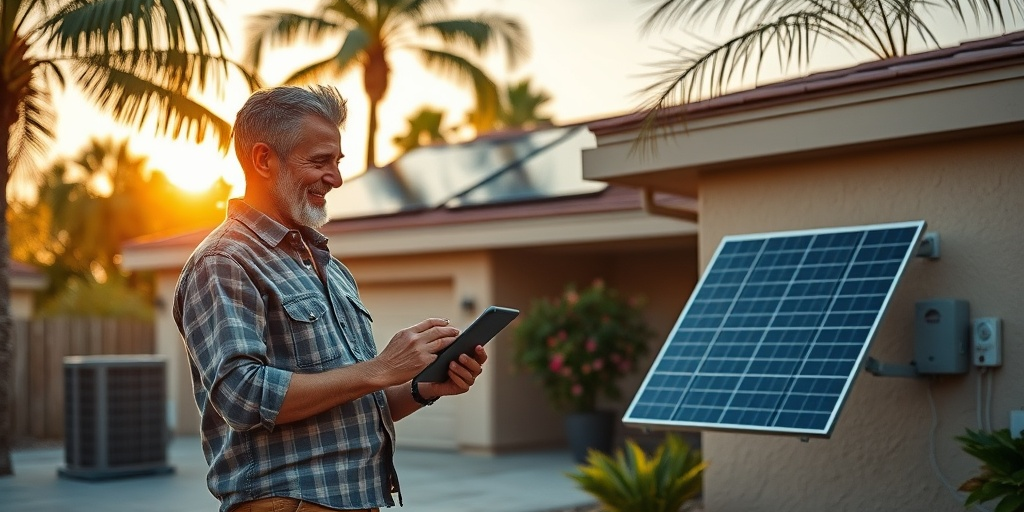
Did you know that more than 98% of Florida homeowners can benefit from solar energy? That’s a staggering statistic, considering the Sunshine State boasts more sunny days than any other state in the U.S. If you’ve been contemplating transitioning to solar, you might be wondering about the best way to unlock value from your investment. In our insightful blog, titled Expert Insight: Unlocking Solar Panel ROI Breakdown for Homeowners, we delve deep into maximizing your solar ROI, guiding you through every step of the way. By 2025, the urgency to act will only escalate due to rising energy costs and enticing new solar incentives. Notably, Florida has the potential to save homeowners an average of 70% on their electric bills, an important consideration for both individual economic health and ecological sustainability (SEIA.org, SolarReviews.com). As we move forward, this blog will help you understand the nuances of solar panel ROI, provide expert insights on how to optimize your investment, debunk common myths, and offer actionable plans for making informed decisions. Here’s what you can expect in the upcoming sections:
- An angled deep dive into the return on investment with a comprehensive case study.
- A detailed checklist to ensure you maximize your ROI.
- Myth-busting some common misconceptions about solar energy.
- A local focus on Florida-specific data and trends.
- An in-depth technical analysis of components and installation.
Understanding Solar Panel ROI: A Deep Dive for Homeowners
Let’s embark on a compelling journey with Emily, a dedicated Florida homeowner who boldly made the switch to solar power. Two years ago, Emily searched for ways to reduce her skyrocketing electric bills. Just like many of you, she was skeptical and inundated with misinformation. Concerned about the cost and effectiveness of solar panels, she hesitated. However, after consulting with industry experts from Florida Electric & Solar and conducting research, Emily discovered the incredible potential behind solar energy.
Her exploration revealed that solar panel installation could not only offset her monthly electric expenses significantly but also provide substantial long-term savings. With the estimated ROI of solar panels averaging over 20% in Florida, she realized that the investment would pay off in as little as 5–7 years (NREL.gov). In pursuit of this knowledge, Emily not only improved her financial situation but also embraced a sustainable lifestyle.
To help you navigate this space like Emily, here’s a checklist, compact yet in-depth:
- Research Local Incentives: Check for tax credits, rebates, or incentives that apply, as they can significantly lower your installation costs. Florida offers several programs to help homeowners make the switch.
- Evaluate Your Energy Needs: Conduct a home audit to understand your energy consumption patterns. Consider appliances, heating/cooling systems, and the total square footage of your home.
- Consult Experts: Seek assistance from experienced local solar companies who understand Florida’s unique climate and regulations. Professionals can help with system design and optimization.
- Get Multiple Quotes: Always compare offers from different contractors to secure the best deal, while ensuring appropriate installation quality and ongoing support.
- Monitor Performance: After installation, keep track of how much energy you generate against your savings. Utilize modern apps to monitor your consumption easily.
As Emily discovered, debunking myths surrounding solar energy can be liberating. Many homeowners often fall prey to misconceptions that hinder their journey toward solar adoption. Let’s clarify a few points:
Myth #1: Solar panels are a luxury for the affluent.
This couldn’t be further from the truth. Thanks to drastically reduced prices of solar equipment and numerous financing options, solar panels are accessible to a broader audience than ever before (SEIA.org).
Myth #2: Solar energy works only in sunny climates.
While Florida is perfect for solar energy thanks to its sunshine, modern solar panels can capture sunlight even on cloudy days, providing energy in varying conditions.
Myth #3: It takes too long to recoup the investment.
With the right system design, Florida homeowners can often see a return on investment in as little as 5–7 years, saving thousands over the life of their system (NREL.gov).
Equipped with the right information, Emily could make informed decisions, placing her trust in technologies that deliver results. For Florida-specific data, homeowners should consider state policies and incentives like the Property Assessed Clean Energy (PACE) program, which allows for financing home improvements with little up-front costs.
Now, let’s conduct a thorough examination into the technical aspects of solar energy systems, their components, and how they integrate with your home. As you venture into solar, it’s essential to understand all parts of the system that directly affect your ROI.
5 Essential Elements of a Solar Energy System
Typically, a solar energy system consists of five crucial components: panels, inverters, batteries, monitoring systems, and installation hardware. Understanding these parts can enhance decision-making when choosing a solar solution.
- Solar Panels: These are the backbone of your energy system, converting sunlight into usable energy. Popular material options include mono-crystalline or poly-crystalline panels, each with its efficiency metrics.
- Inverters: Acting as the brain of the system, inverters convert direct current (DC) from the solar panels into alternating current (AC) suitable for home use. String inverters and microinverters are common inverter types that differ in performance capabilities.
- Batteries: Though optional, batteries can store surplus electricity for later use, providing backup during outages. The trend towards energy independence elevates battery storage as an increasingly attractive component.
- Monitoring Systems: To maximize your output, it’s essential to have tracking systems in place. These can offer real-time insights into energy production and usage, ensuring optimal performance and the early identification of issues.
- Installation Equipment: Essential installation components determine the durability and longevity of your solar system. High-quality racking, mounts, and hardware ensure that your panels remain secure under Florida’s unique weather conditions.
To ensure an optimal solar-generated ROI, working alongside experienced local companies can be invaluable, offering individualized guidance that reflects your specific needs as a Florida homeowner. Let’s take a moment to focus on some best practices for solar installation in 2025.
5 Expert Solar Installation Tips for 2025
Choosing the right solar installation strategy can impact your ROI substantially. Here are five expert tips to consider:
- Don’t Skimp on Panel Placement: The best orientation for your solar panels is capturing the most sunlight (usually south-facing). Incorrect placement can lead to efficiency losses. A professional assessment is key.
- Investigate Smart Technology: Integrate smart technology into your energy system to track performance, monitor use, and maximize savings. Smart home compatibility is on the rise.
- Consider Roof Condition: Before installation, ensure your roof is suitable and structurally sound enough to support solar panels. Consultation with a roofing professional may be necessary.
- Utilize Solar Property Tax Exemptions: Florida homeowners can benefit from property tax exemptions for solar installations. Qualifying improves overall ROI by lowering tax liabilities associated with property value increases.
- Plan for Future Expansion: Think about your home’s energy needs in the future. Consider if you might need to add more panels; planning for growth can provide long-term benefits.
Now, let’s explore a relatable narrative that highlights what a typical Florida homeowner might experience during their journey to embrace solar energy.
A Day in the Life: The Solar Journey of a Florida Homeowner
Meet Carlos and Maria, residents of Sanibel, Florida, who recently embarked on a solar journey. Initially hesitant, they faced the intense Floridian heat and costly electric bills, prompting them to research solar installation. After gathering quotes and voicing concerns to several local energy specialists, they decided to move forward with a system tailored to their family needs.
As they monitored their monthly electric charges post-installation, they were profound impressed! Their solar energy system not only offset over 90% of their energy bill but also provided the peace of mind in knowing that they were significantly reducing their environmental footprint. During the first year, their ROI exceeded expectations, emphasizing the lucrative nature of their investment.
- Carlos and Maria saved approximately $2,500 on electricity costs in the first year alone.
- Their system qualified for a federal tax credit, further boosting their immediate savings.
- Positive feedback from neighbors and community—demonstrating $300 average monthly savings per household in their neighborhood (SEIA.org).
As they continued to refine energy usage habits and incorporate smart technology, their home became even more energy-efficient, ensuring ongoing benefits as the years rolled out. Today, their story serves as an inspiration for their community and neighbors, cementing the idea that solar energy is a sound investment for any Florida homeowner.
Next Steps for Florida Solar Buyers in 2025
You’ve gathered insights, discovered knowledge through narratives, and successfully dispelled myths; now, it’s time to take action. Here’s your definitive checklist for transitioning smoothly into solar energy in 2025:
- Step 1: Audit Your Electric Bill: Assess current electricity charges and consumption patterns to get a clear understanding of your needs.
- Step 2: Connect with Professionals: Consult with local solar companies to learn about installations tailored to your property. Research options from Florida Electric & Solar for personalized service.
- Step 3: Evaluate Financing Options: Determine if a purchase or lease suits your financial situation better. Grants and incentives can ease the transition.
- Step 4: Schedule Installation: Coordinate a timeline for installation based on seasonal efficiency; fall and spring are often optimal in Florida.
- Step 5: Monitor Performance: Ensure to routinely check monitoring systems for energy production; fine-tune usage habits for maximum effectiveness.
As you embark on this exciting solar journey, remember the immense advantages it offers: lowering your monthly bills, contributing to a cleaner environment, and enhancing your property’s value. Let’s circle back to the pressing need to invest in solar energy now, especially as incentives in Florida continue to unfold. By making informed decisions today, you can empower your family’s future tomorrow.
In conclusion, we’ve traversed the landscape of solar energy, explored the intricacies of ROI, and investigated personal journeys of those who dared to step into the solar world. This information paves the way for empowered decision-making and facilitates a deeper understanding of the ROI breakdown for homeowners. The time has never been more ripe, and the shared benefits—environmental stewardship, financial savings, and community resilience—are within reach.
Ready to start your solar journey in 2025? Connect with a certified expert at floridaelectricandsolar.com today!
Related Articles
More insights about Solar Panel

Florida Homeowners: Why Solar Panel Maintenance Is Essential

7 Essential Steps for Solar Panel Installation Success

Expert Insights: Key Factors Influencing Solar Panel Lifespan
Ready to Go Solar?
Have questions about solar energy? Our experts are here to help you make the switch to clean, renewable energy.