
Expert Insight: Top Financing Options for Solar Panel Installation
Share:
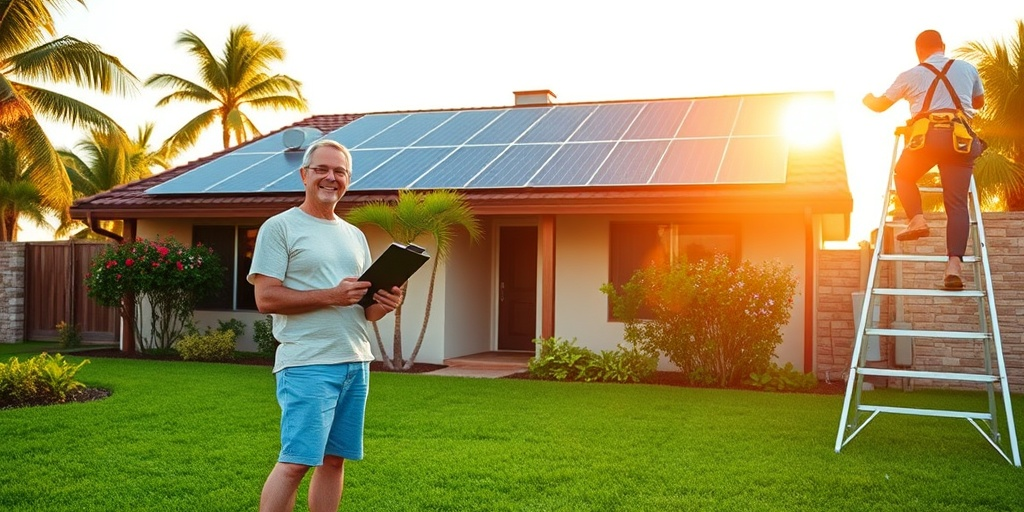
Expert Insight: Top Financing Options for Solar Panel Installation – Did you know that in Florida, homeowners that switch to solar energy can save up to $30,000 over 30 years, according to a study by the Solar Energy Industries Association (SEIA.org)? As electricity prices continue to soar, these figures underscore why financing your solar panel installation is a critical decision for homeowners looking to maximize utility bill savings in 2025. Despite the transformative potential of solar energy, many potential buyers are deterred by initial costs, unaware of the myriad financing options available to them. With new incentives and a national push toward renewable energy, understanding these financial pathways is more crucial than ever. In this guide, we will explore the following five sections: a real-world case study illustrating solar financing options, a detailed checklist of financing strategies, common myths surrounding solar panel financing, unique insights into Florida’s solar landscape, and a deep dive into technical aspects that impact financing choices. As we navigate through this topic, it will become clear that financing your solar journey is not just accessible but can also be incredibly beneficial.
Section 1: Real-World Case Study on Solar Financing
Meet Sarah, a Florida homeowner in Orlando with a passion for sustainability. When she first considered solar panels for her home, she was overwhelmed by the upfront costs, which can average around $15,000 to $25,000 for a fully installed system (SolarReviews.com). After conducting research, Sarah discovered that several financing options could make solar energy attainable.
Determined to maximize her savings, Sarah reached out to Florida Electric & Solar, where she was guided through her options. Here’s the breakdown of her financing journey:
- Cash Purchase: Sarah quickly realized that while a cash purchase would provide immediate savings on her electric bills and full ownership without interest charges, it required significant upfront capital. Not everyone has this amount available, especially young families.
- Solar Loans: After evaluating her budget, Sarah opted for a solar loan through a reputable local bank. With competitive interest rates available to Floridians, she secured financing with a term of 12 years. Her monthly payments became manageable, allowing her to benefit from solar savings right away.
- Leases and PPAs: Sarah also learned that lease agreements and Power Purchase Agreements (PPAs) would allow her to install solar panels without a substantial upfront cost. However, upon analysis, she preferred ownership through financing as it allows for long-term savings and tax incentives.
What resonated with Sarah was the state’s solar tax incentives, which include a 26% federal tax credit applicable in 2025. This credit would reduce her total investment significantly, alleviating the burden of financing. She decided on a hybrid option—a solar loan combined with the federal credit—ultimately saving her thousands of dollars.
The lesson? Homeowners can effectively navigate their financing options by identifying what works best for their unique circumstances. Sarah’s journey exemplifies how financing can make solar energy attainable and financially beneficial. Now let’s dive deeper into financing details with a practical checklist.
Section 2: Actionable Financing Strategies for Solar Buyers
Understanding how to finance your solar installation can feel like deciphering a maze, but here’s a step-by-step checklist to guide Florida homeowners through the process:
- Step 1: Assess Your Financial Situation: Review your credit score, outstanding debts, and savings to understand how much you can afford for upfront payments and monthly installments.
- Step 2: Explore All Financing Options: Consider cash purchase, solar loans, leases, and PPAs. Each has different implications for ownership and savings. Websites like floridaelectricandsolar.com can provide insightful resources.
- Step 3: Investigate State and Federal Incentives: Search for programs specific to Florida, including rebates and tax credits, which can significantly reduce installation costs. The SEIA estimates that homeowners could see between 2-5% savings through various state programs (SolarEnergy.org).
- Step 4: Compare Installers and Their Financing Options: Not all solar companies offer the same financing plans. Research and request estimates from multiple providers to ensure you receive favorable terms.
- Step 5: Lock in Your Financing: Once you have selected the most beneficial option, finalize your agreement, ensuring you understand the total financial commitment—including interest rates and loan terms.
With these steps, Florida homeowners can confidently navigate the complexities of solar financing, ensuring they maximize their savings while making eco-conscious choices.
Section 3: Debunking Solar Financing Myths
Many consumers hold misconceptions about financing solar installations. This section aims to demystify those notions, offering clarity and context for potential buyers:
- Myth #1: Solar Panels Are Too Expensive to Finance: While the initial costs can be considerable, various financing options exist today. With low-interest loans and leasing programs, solar energy becomes financially feasible for many households.
- Myth #2: You Can’t Benefit from Incentives if You Finance: In fact, financing can still allow access to tax credits and rebates. Homeowners can take full advantage of these incentives regardless of their payment method (Energy.gov).
- Myth #3: Leasing Solar Panels Means You Lose All Tax Benefits: By leasing, you may not receive the tax credits directly, but many leasing companies factor those savings into your monthly payment, making the arrangement beneficial overall.
- Myth #4: All Solar Financing is the Same: Financing structures differ widely, impacting overall costs and savings. A comprehensive review of different financing plans is essential to finding the right fit (SolarReviews.com).
- Myth #5: You Have to Own Your Home to Go Solar: Renters can also benefit from solar energy through community solar programs that allow participation without installing panels directly on their homes.
By tackling these myths, we aim to empower Florida homeowners with the truth about financing solar installations, underscoring that numerous financial pathways make solar energy accessible and beneficial.
Section 4: Understanding Florida’s Solar Landscape
Florida presents unique advantages for those looking to go solar, thanks to its robust sunshine and effective policies. Here’s a closer look at the state’s solar incentives and regulations, which can greatly impact financing decisions.
- Net Metering: Florida’s net metering policy enables homeowners with solar installations to receive credit for surplus energy sent back to the grid, effectively lowering monthly electric bills, making financing more attractive. As of 2023, net metering allows for a 1:1 credit rate (NREL.gov).
- Sales Tax Exemption: Solar equipment in Florida is exempt from sales tax, reducing the initial investment cost. This exemption can significantly impact your financing plan by lowering your starting expenses.
- Federal Solar Investment Tax Credit: Homeowners can claim 26% of the total cost of solar installation on their taxes through 2025. This has been a primary motivator for Florida homeowners to invest in solar energy, enhancing affordability (SEIA.org).
- State Rebates: Florida offers various grants and rebate programs to incentivize solar adoption, making it easier to finance installations without breaking the bank. These funds may vary based on local utility companies and should be explored thoroughly.
Understanding these incentives is crucial for potential solar buyers in Florida. By leveraging state and federal programs, financing your solar panels becomes not just manageable, but an intelligent financial decision, creating the foundation for a sustainable future.
Section 5: Crafting Your Solar Action Plan
Now that you’re equipped with valuable insights, it’s time to lay out your solar action plan. The following steps will guide Florida homeowners in their pursuit of solar energy:
- Step 1: Audit Your Electric Bill: Before pursuing solar, analyze your energy usage over the past year. This will help you determine the size of the system you’ll need.
- Step 2: Research Financing Options: Utilize the checklist detailed earlier to explore available financing pathways that match your financial situation and goals.
- Step 3: Consult with Professionals: Speak with solar experts at floridaelectricandsolar.com, who can provide tailored advice and options based on financial capabilities and energy needs.
- Step 4: Compare Installation Estimates: Solicit quotes from multiple solar providers to get a full understanding of the potential costs involved—including financing terms.
- Step 5: Make Your Final Decision: After gathering information, choose the best financing option that fits your lifestyle and budget while maximizing savings.
By following this action plan, Florida homeowners can effectively transition into solar power, ensuring financial confidence while benefitting from renewable energy.
As we wrap up this comprehensive exploration of financing options for solar panel installation, let’s reinforce the main takeaways. Financing your solar system is not just about the cost; it’s about investing in a more sustainable future for both your family and the planet. With careful planning and by utilizing available incentives, you can significantly reduce your electric bills while achieving energy independence. The urgency of adopting solar energy has never been more pressing as energy costs rise and environmental concerns grow. Embrace the potential of solar and take decisive action today.
Ready to start your solar journey in 2025? Connect with a certified expert at floridaelectricandsolar.com today.
Related Articles
More insights about Solar Panel

Florida Homeowners: Why Solar Panel Maintenance Is Essential

7 Essential Steps for Solar Panel Installation Success

Expert Insights: Key Factors Influencing Solar Panel Lifespan
Ready to Go Solar?
Have questions about solar energy? Our experts are here to help you make the switch to clean, renewable energy.