
Expert Insight: Top Mistakes in Solar Panel Maintenance
Share:
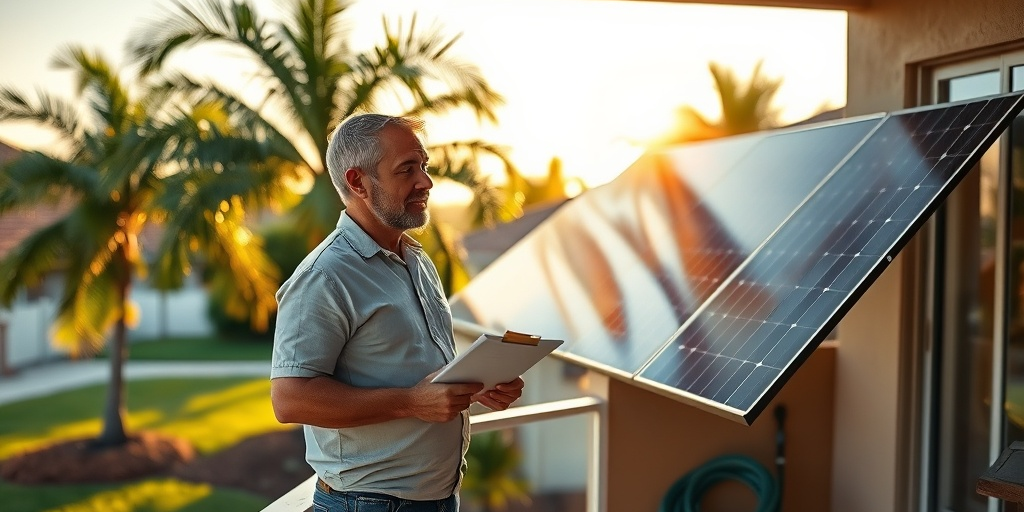
As you bask beneath the warm Florida sun, have you ever considered just how much energy you could harness from those brilliant rays? In the vibrant state of Florida, solar energy presents an extraordinary opportunity for homeowners and businesses alike. In fact, the Sunshine State ranks second in the U.S. with over 8,706 megawatts of installed solar capacity (SEIA.org). However, in the midst of this solar revolution, many fail to recognize the importance of proper solar panel maintenance. As we gear up for 2025, avoiding the common pitfalls will ensure optimal performance of your solar energy system. This insight has inspired our title: “Expert Insight: Top Mistakes in Solar Panel Maintenance.” With energy costs continuing to rise and incentives favoring solar adoption, understanding the nuances of maintaining your solar panels is more crucial than ever.
So why is solar panel maintenance vital for Florida homeowners? A fascinating statistic from EnergySage shows that poorly maintained solar systems can lose up to 20% of their efficiency (EnergySage.com). When energy independence is your goal, every lost watt counts. Whether you’re already a solar power advocate or just considering making the leap, this guide identifies top maintenance mistakes and how to avoid them to maximize your investment. Each section is carefully crafted to provide real insights and actionable steps you can take today.
This blog is structured to provide a comprehensive understanding of solar panel maintenance mistakes:
- Case Study: The Watson Family Experience – Explore the pitfalls that real homeowners like you face.
- Maintenance Checklist – A clear, actionable step-by-step guide to keeping your solar system in check.
- Myth-Buster: Common Misconceptions – Let’s debunk some of the most widespread myths surrounding solar panel care.
- Local Focus: Sunshine State Peculiarities – Insights specific to Florida’s climate and regulations.
- Technical Deep-Dive: Understanding Your Solar System – An in-depth look at components and efficiency factors.
By the end of this post, you’ll be equipped with the knowledge to not only avoid common mistakes but also transform your relationship with your solar energy system, ensuring you harness every bit of power available.
Case Study: The Watson Family Experience
Meet the Watsons—proud homeowners in Tampa, Florida, who made the decision to go solar in 2023. Armed with enthusiasm, they eagerly installed a high-efficiency solar power system. Yet, within a year, excitement turned to disillusionment. As energy bills remained surprisingly high, they began to suspect something was amiss.
After consulting experts, they realized they had fallen prey to several maintenance oversights. Snowstorms had blown debris onto their panels, and seasonal rains had not washed away dirt as expected. As the sun shone upon their roof, the efficiency of their system diminished, leading to a drastic underperformance. Their system’s output dropped by nearly 15% (SolarReviews.com).
This case reflects a broader trend affecting many Florida homeowners. With a growing number of households investing in solar technology, understanding how to care for these systems is paramount to tapping into their full potential. Here are some of the top maintenance mistakes the Watsons experienced:
- Ignoring the impact of nearby trees shading panels
- Neglecting to clean panels regularly
- Failing to ensure proper inverter operation
Step 1: Regular inspections are essential to maintain optimal performance. Homeowners should schedule semi-annual assessments of their solar system, including panel cleanings and checks on inverter functionality.
Step 2: If tree branches are encroaching on your solar panels, it’s time to trim. The best time to do this in Florida is just after the rainy season, keeping shaded areas in check.
Step 3: Consider professional maintenance. Hiring a solar service provider ensures your panels receive quality care from experts who understand the unique considerations for Florida systems.
Maintenance Checklist
Avoiding the pitfalls of solar panel maintenance can be achieved through a clear and actionable Maintenance Checklist. Here are the vital steps every Florida homeowner should adhere to:
- Step 1: Perform Bi-Annual Inspections.
- Step 2: Clean Your Panels Regularly.
- Step 3: Check for Shading Issues.
- Step 4: Monitor Performance Metrics.
- Step 5: Schedule Professional Maintenance.
Check your solar panels and surrounding areas twice a year. Ensure clean surfaces free from debris, dirt, and obstructions.
Dust, pollen, and bird droppings can accumulate over time, impacting efficiency. Clean your panels using a soft brush or hire local professionals if you see significant grime.
Inspect the surrounding landscape or nearby structures for new trees or any tall objects that may create shading throughout the day.
Keep an eye on your solar production metrics through your inverter interface or app. Spot declines in performance immediately.
Engage with a reliable solar maintenance company for thorough inspections and routine check-ups at least once a year.
By following this structured checklist, you’ll empower yourself to ensure your solar system remains operational at peak performance. Notably, many Florida homeowners tend to overlook regular inspections, leading to significant drops in efficiency, sometimes as high as 25% ((DSIREUSA.org)). Staying on top of maintenance can mitigate such losses.
For expert service, consider reaching out to floridaelectricandsolar.com for professional guidance that keeps your solar panels sparkling and productive.
Myth-Buster: Common Misconceptions
In the world of solar panels, misinformation can lead to costly mistakes. Here are five common myths about solar panel maintenance, debunked:
- Myth #1: Solar panels are self-cleaning.
- Myth #2: Solar panels don’t need maintenance.
- Myth #3: Rain will wash away all dirt and debris.
- Myth #4: You cannot operate or maintain solar systems during storm events.
- Myth #5: Solar systems don’t require monitoring.
This tempting belief often leads homeowners to neglect necessary cleaning. In reality, dirt and debris can accumulate over time, reducing efficiency.
Unlike traditional energy systems, solar energy requires regular maintenance checks to ensure that efficiency remains high and any issues, like inverter failure, are addressed promptly.
In Florida, occasional heavy rains may help, but they often aren’t enough. Residual dirt from rainwater or pollen buildup will still need mechanical cleaning.
This assumption may prevent you from performing critical inspections. While supervision is essential during severe weather, safely maintaining panels is achievable under adhered safety measures.
In fact, regularly checking your solar output helps catch inefficiencies before they become significant failures. Monitoring systems alert you to anomalies in real time.
Removing these myths from your solar maintenance mindset prepares you for a more proactive approach. With over 21% of Florida homeowners considering solar as a long-term energy solution, understanding these facts helps secure their investments (SolarEnergyWorld.org).
Local Focus: Sunshine State Peculiarities
In Florida, our unique climate presents specific considerations for solar panel maintenance that may differ from other regions. High humidity and turbulent storms can impact the efficiency and durability of solar systems greatly.
Here are some Florida-specific maintenance guidelines:
- Humidity Considerations: Often, moisture accumulation leads to mold and mildew growth. Regular inspections will help homeowners identify signs early.
- Hurricane Preparedness: Secure your solar panels before hurricane season by utilizing sturdy mounting brackets and similar precautions.
- Local Pests: Check for leaves and material from nearby trees that might provide nesting grounds for birds or squirrels. Nest removal must be handled with care to avoid damage.
- Coastal Adjustments: Homes closer to the coastline should consider extra measures against salty conditions that corrode panels and supporting structures.
As Florida creates policies to enhance solar energy utilization, particularly in low-income communities, it’s imperative that you stay informed of legislation that could affect maintenance standards (Energy.gov).
Technical Deep-Dive: Understanding Your Solar System
Understanding how your solar energy system works is crucial for maintaining optimal performance. Here’s a breakdown of essential components:
- Solar Panels: The heart of your solar energy system, these convert sunlight into electricity. Regular cleaning and inspections ensure that dirt and debris do not interfere with energy capture.
- Inverters: Inverters convert direct current (DC) from your panels into alternating current (AC) that can power your home. Identifying if inverters are functional is paramount; if they show an error, seek immediate service.
- Batteries: If you have a solar battery storage system, ensure that batteries are charging properly during the day and discharging well at night. Battery performance can notably affect overall system efficiency.
- Monitoring Systems: Many homeowners operate their systems with app-based monitoring that displays efficiency metrics, consumption information, and production health. Familiarize yourself with how to read those metrics.
By grasping these components, you can take a comprehensive approach to solar maintenance, informed by solid data on your system’s functions and requirements (NREL.gov). It’s about owning your energy and ensuring efficiency to maximize savings.
Next Steps for Florida Solar Buyers in 2025
With all this knowledge at your disposal, here’s a Next Steps checklist tailored for you:
- Step 1: Audit Your Electric Bills.
- Step 2: Research Local Solar Providers.
- Step 3: Schedule an Initial Consultation.
- Step 4: Prepare Your Home.
- Step 5: Commit to Maintenance Plans.
Understand your current expenditure and projections to see how much solar can potentially save you.
Consult with reputable solar companies that can offer expert insight into Florida’s solar landscape.
Being proactive helps establish trust and clarity before installation.
Ensure that your roof is suitable for solar panels and check for any needed upkeep before installation.
Ask your service provider about ongoing monitoring and maintenance programs to ensure longevity.
Taking these actionable steps will streamline your solar transition journey while putting you in a position of knowledge and power. For further assistance, don’t hesitate to engage with a trusted expert at floridaelectricandsolar.com.
In conclusion, understanding and avoiding the top mistakes in solar panel maintenance is essential for Florida homeowners looking to capitalize on their solar investment. As we approach 2025, prioritizing maintenance yields not just energy savings but peace of mind, knowing you’re taking full advantage of the Florida sunshine. Your solar system isn’t just an installation; it’s a long-term commitment to a greener future.
Ready to start your solar journey in 2025? Connect with a certified expert at floridaelectricandsolar.com today.
Related Articles
More insights about Solar Panel

Florida Homeowners: Why Solar Panel Maintenance Is Essential

7 Essential Steps for Solar Panel Installation Success

Expert Insights: Key Factors Influencing Solar Panel Lifespan
Ready to Go Solar?
Have questions about solar energy? Our experts are here to help you make the switch to clean, renewable energy.