
Expert Insight: Top Financing Options for Solar Panel Installation
Share:
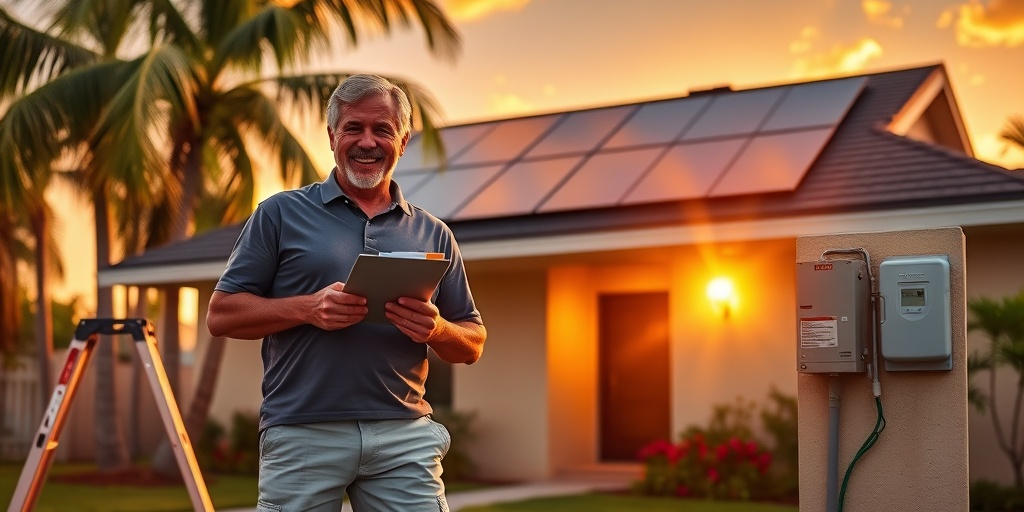
Imagine a future where you no longer worry about rising energy costs or unpredictable utility bills. A future where your energy source is clean, renewable, and can significantly increase your property value. Welcome to the world of solar energy, especially relevant for Florida homeowners and commercial property owners in 2025. In this enlightening blog post titled Expert Insight: Top Financing Options for Solar Panel Installation, we’ll unravel how smart financing can transform your solar aspirations into reality. Did you know that solar panel installations have increased by 167% over the past five years in Florida alone? Additionally, Florida ranks third in the U.S. for total installed solar capacity, providing an immense opportunity for you to join this revolution (SEIA.org). As we step into 2025, with rising energy costs and a host of new financial incentives, it is imperative to understand how to best finance your solar panel installation. This article will walk you through five essential sections: a deep dive into financing options, actionable steps for selecting the best plan, common myths surrounding solar financing, best practices for solar installations, a narrative on a Florida homeowner’s significant journey, and your next steps towards sustainable energy. Let’s embark on this enlightening journey together!
Understanding Financing Options for Solar Panel Installation
When it comes to financing your solar panel installation, the choices abound. With innovative solutions designed to meet various needs—ranging from outright purchases to qualified loans and leases—you can secure a pathway to sustainable energy that suits your financial landscape.
Consider the case of the Murphys, a family residing in Cape Coral, who recently decided to go solar. Faced with rising utility bills, they decided to explore their financing options. After careful research, they concluded that installing solar panels could save them approximately $50,000 over the life of the system. Despite not having enough upfront capital, they discovered an array of financing options that enabled them to realize their dream of energy independence.
1. Purchase Outright – This method is the most straightforward. If your budget permits, buying the solar system outright gives you immediate ownership and the best long-term savings. According to Energy.gov, homeowners who finance their solar installation typically save up to 70% on their overall energy costs.
2. Solar Loans – This option allows homeowners to borrow money specifically for purchasing solar technology. Monthly payments are generally lower than the average utility bill, potentially providing net savings immediately (SolarReviews.com). Solar loans often come with attractive interest rates and are structured to align with the long-term savings generated by solar energy.
3. Solar Leases – With this arrangement, a third-party company owns the solar panel system and you pay a predetermined monthly fee. This is beneficial for those who cannot afford the upfront cost but prefer solar savings. While you don’t gain the tax benefits, you do enjoy lower utility costs. The average savings from leasing can equate to hundreds of dollars every year.
4. Power Purchase Agreements (PPAs) – Similar to leases, PPAs allow you to host a solar system while the provider maintains ownership. You pay an agreed rate per kilowatt-hour generated. This innovative model guarantees fixed or declining rates—you’ll often pay less than your local utility’s rates.
5. Government Incentives and Tax Credits – In Florida, you can take advantage of tax credits, rebates, and various financing programs. The Federal Investment Tax Credit (ITC) presently lets homeowners claim 26% of the cost of solar installation. That’s a significant boost towards making solar renewable energy attainable.
As you weigh these options, consider the Florida solar landscape. The state has a rapidly growing solar market, with incentives designed to attract more homeowners to adopt solar solutions. According to the Florida Solar Energy Center, solar installations in the state have created thousands of jobs and continue to contribute positively to the local economy.
Whether you are intrigued by the prospect of outright ownership or prefer less financial risk. The key is to match the financing option that best aligns with your goals and financial reality. The Murphys, by utilizing an affordable solar loan, not only locked in lower rates but also reduced their carbon footprint—hence making an environmentally sound decision.
Transitioning to solar doesn’t have to be a daunting task. Stay informed about these financing avenues to empower your journey toward sustainable energy. Let’s delve deeper into making the most out of your solar financing plan.
Checklist for Choosing the Right Financing Option
Finding the perfect financing option for solar installation can feel overwhelming, but by following a systematic approach, you can simplify this process. Here’s a concise checklist you should follow:
- Evaluate Your Financial Situation – Take a close look at your current financial condition. Are you prepared to make an upfront investment, or would monthly payments be more manageable? Listing your priorities will streamline your decision-making process.
- Research Available Options – Familiarize yourself with various financing methods available in Florida. It’s essential to comprehend the pros and cons of each option. Websites like floridaelectricandsolar.com provide valuable resources and comparisons.
- Consult a Solar Expert – Talking to an experienced professional can provide insights tailored to your situation. They can help you navigate complex incentives and highlight potential savings.
- Calculate Your Long-Term Savings – Assess how much you can save over time using different financing types. Consider energy savings, tax incentives, and potential increases in home value.
- Monitor Your Utility Rates – Keep an eye on your local energy rates. Understanding trends can give you clarity on when to opt for solar, especially if utility prices are on the rise.
As you work through this checklist, ask yourself: what is your end goal? Knowing your objective helps clarify the right path to financing your solar energy project. Approach the decision with confidence; the right choice is out there for you.
Myth-Busting Common Misconceptions About Solar Financing
Misconceptions about solar financing abound and can deter potential adopters from making a vital choice in their energy journey. Here are a few myths that need to be dispelled to help you make an informed decision:
Myth #1: Solar Installation Is Only for Wealthy Homeowners
This myth stems from the notion that solar technology is a luxury. In reality, many financing options, including loans and leasing, have made solar technology accessible for homeowners from various income levels. According to SEIA.org, the average ROI on solar energy exceeds 20%, making it an investment that pays for itself over time.
Myth #2: Solar Financing Is Complicated
While the landscape may seem daunting, various programs exist to simplify the process. In Florida, community programs, rebates, and assistance from reputable installation companies make adapting solar financing models easier. A knowledgeable solar consultant can help streamline this process and answer any questions you may have.
Myth #3: I Don’t Own My Property, So I Can’t Go Solar
Many tenants assume they cannot switch to solar energy, but options like Power Purchase Agreements (PPAs) open the door for renters to harness solar. Talk to property management about opportunities for solar installations in multifamily housing.
Myth #4: The Savings Aren’t Worth It
Potential savings depend on energy usage and local utility bills, but many homeowners find solar energy installation drastically reduces their month-to-month bills. Florida homeowners can save thousands over the system’s lifetime, and state incentives make it even more attractive.
Myth #5: Solar Panels Are Too Expensive
Though the initial costs may seem high, solar energy is an investment that pays dividends over time, especially in Florida, where sunny weather ensures higher energy generation. The decreasing cost of solar technology means many systems can break even within six to eight years, with the remainder providing significant savings.
Let’s break through the misconceptions. Embracing solar energy not only protects the environment but can also lead to financial freedom in terms of energy costs. With a clearer understanding of your financing options, you can confidently take the first steps toward adopting solar energy.
5 Expert Solar Installation Tips for 2025
As you dive into your solar journey, consider these expert tips to ensure a smooth and beneficial installation process:
1. Invest in Quality Equipment
Don’t skimp on your solar panels. Higher-quality panels might cost a bit more upfront but will typically offer better efficiency, durability, and warranty periods. According to the Florida Solar Energy Center, investing in quality can ensure fewer repairs and a longer lifespan for your system.
2. Ensure Proper Orientation and Placement
Don’t overlook the layout of your panels. Ensuring they face south, free from shade, maximizes energy capture. Consultation with certified solar professionals can help strategize the layout effectively.
3. Seamlessly Integrate with Energy Storage
Consider pairing your solar installation with a battery storage system. This allows you to store excess energy generated during the day for nighttime usage, optimizing your energy independence (NREL.gov).
4. Keep Up with Maintenance
While solar panels require minimal maintenance, don’t disregard their upkeep. Clean your panels periodically and have them inspected once or twice yearly to maintain efficiency and performance.
5. Leverage Incentives and Tax Credits
Always be on the lookout for federal and state incentives applicable to solar installations. Make sure to calculate these into your financing plans to enhance your savings.
Each of these expert tips can influence the overall efficiency and financial savings of your solar installation. The transition to solar energy is not merely a trend but a vital commitment toward building a sustainable future.
A Florida Homeowner’s Solar Journey
Meet Sarah, a hardworking nurse from Orlando, who found the prospect of gaining energy independence through solar appealing but daunting. With two children, rising utility bills were draining her family’s finances. After researching solar options, she discovered how financing could change her family’s life.
- The Initial Decision – Sarah started her journey with a free solar consultation. She learned about available financing options—solar loans and PPAs. After much deliberation, Sarah chose a solar loan that allowed her to own the system.
- The Installation – The installation team arrived and seamlessly set up a solar system tailored to her home. They oriented the panels perfectly to capture energy throughout the day, assuring Sarah of maximum power generation.
- Seeing the Savings – Within months, Sarah noticed a significant reduction in her utility bills. Her monthly payments for the solar loan were lower than her previous bills, proving to be an economically sound decision.
- Tax Incentives – Sarah filed her taxes that year and was thrilled to find that the Federal Investment Tax Credit had significantly reduced her solar installation costs, allowing her to save even more.
Today, Sarah not only enjoys lower utility bills but also educates her children about sustainable energy. Her home has become a beacon of hope and responsibility for the future, providing environmental benefits that extend beyond her family. This story is just one among many in Florida, where homeowners are embracing solar power to enhance their quality of life.
Next Steps for Florida Solar Buyers in 2025
Now that you’ve gleaned essential insights about financing options for solar panel installation, it’s time to take action. Taking proactive measures will ensure a smooth transition into solar energy:
- Step 1: Audit Your Electric Bill – Analyze your electric bills over the past year. Understanding your energy consumption is crucial in determining the size of the solar system you need.
- Step 2: Research Solar Installers – Spend time identifying reputable solar contractors in your area. Check their qualifications, ratings, and past work to make an informed choice when selecting the right team for installation.
- Step 3: Discuss Financing Options – Have an open dialogue with your solar consultant about various financing options. Don’t shy away from discussing your budget and preferences.
- Step 4: Apply for Incentives – Research available tax credits and rebates in Florida. Make sure to apply for them; this will contribute significantly to reducing your overall costs.
- Step 5: Schedule Installation – Once you have chosen a contractor, finalize the installation date. Prepare for the installation process and embrace the exciting transition towards energy independence.
Transitioning to solar energy is a multi-step journey, but as an empowered Florida homeowner, you have the resources and insights to make informed decisions. Taking the first step for a brighter future starts with you!
As we recap what we discussed, transitioning to solar energy presents not only essential benefits but also an exciting opportunity to gain energy independence. By understanding the financing options available and crafting a solid plan, you can maximize your savings while contributing positively to our planet’s health. The urgency to act in 2025 is palpable; with incentives at their peak and energy prices on the rise, the time is ripe to embrace solar. Are you ready to embark on this renewable revolution? Connect with a certified expert at floridaelectricandsolar.com today!
Related Articles
More insights about Solar Panel

Florida Homeowners: Why Solar Panel Maintenance Is Essential

7 Essential Steps for Solar Panel Installation Success

Expert Insights: Key Factors Influencing Solar Panel Lifespan
Ready to Go Solar?
Have questions about solar energy? Our experts are here to help you make the switch to clean, renewable energy.