
Expert Insight: Top Tips for Solar Panel Maintenance
Share:
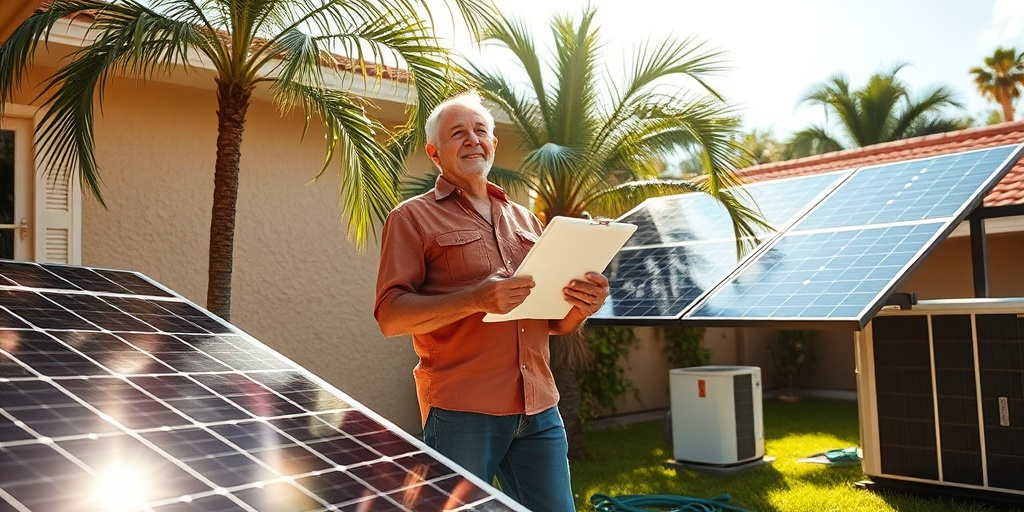
Did you know that solar power systems can lose up to 20% of their efficiency due to improper maintenance? As a Florida homeowner or commercial property owner looking to go green in 2025, it’s critical to understand the importance of solar panel maintenance. The 2022 National Renewable Energy Laboratory (NREL) reported that solar energy usage in Florida is expected to grow by over 35% by 2025, driven by lower installation costs and increased efficiency (NREL.gov). This makes efficient maintenance of your solar panel system not just a guideline, but a necessity. In this context, our article, Expert Insight: Top Tips for Solar Panel Maintenance, delves deep into practical strategies to enhance the longevity and performance of your solar panel system.
In 2025, this topic matters more than ever. The rising costs of traditional energy sources coupled with recent solar incentives available at both state and federal levels create a perfect storm for solar adoption that Florida homeowners cannot afford to overlook (SEIA.org). By implementing effective maintenance strategies, you can not only maximize your return on investment but also elevate your environmental responsibility by ensuring your system operates at peak efficiency.
In this comprehensive guide, we will cover five essential sections to deepen your understanding:
- The Critical Role of Routine Maintenance
- Step-by-Step Checklist for Solar Care
- Myths About Solar Panel Maintenance—Debunked
- Florida-Specific Challenges and Solutions
- Technical Aspects of Efficient Solar Systems
Let’s embark on this enlightening journey to ensure your solar energy system remains a reliable asset for years to come.
Understanding the Critical Role of Routine Maintenance
As a Florida homeowner who recently installed solar panels, Ellen’s excitement was palpable. Every month, she watched her electric bill shrink, and with each sunny day, she felt a sense of triumph over her previous energy expenditures. But last summer, after a particularly rainy season, she noticed a drop in her solar output. Concerned, Ellen took action and learned about the importance of regular maintenance. This case study illustrates the need for attentiveness—a theme echoed by industry experts who know that neglecting maintenance can lead to significant drops in efficiency.
Let’s break it down with a checklist of actionable steps that every solar panel owner should consider:
- Regular Inspections: Check your panels at least twice annually for dirt, debris, or potential shading issues. Just a little dust can impede sunlight absorption and reduce efficiency by 20% (Energy.gov).
- Clean the Panels: Florida’s weather can be unpredictable—rain may wash away some dirt, but regular cleaning will ensure optimal performance. Use a soft brush or sponge and distilled water for best results.
- Check Connections: Inspect wiring and connections for signs of wear and tear. Any issues here can lead to system failures and potential safety hazards.
- Monitor System Performance: Familiarize yourself with your system’s monitoring software to catch any irregularities promptly.
- Professional Maintenance: Schedule an annual professional inspection to ensure everything is running smoothly.
Despite this knowledge, misconceptions about solar maintenance remain rampant. Myth #1—”Solar panels function better during overcast weather.” This common fallacy ignores the fact that sunlight, even when diffused, still provides less energy than a sunny day. Furthermore, Myth #2—”Solar panels don’t need maintenance”—couldn’t be further from the truth; regular care is fundamental to enjoying long-lasting, robust efficiency, especially in Florida’s humid and storm-prone climate.
Finally, let’s pivot to regional specifics. The Florida Public Service Commission has projected a 20% increase in energy rates over the next five years, making your solar investment more critical than ever. Florida Electric & Solar provides tailored maintenance tips that take into account our unique environment and conditions.
With a proactive approach to solar panel maintenance, just like Ellen, Florida homeowners can take control of their energy future and significantly reduce long-term costs, transforming their energy systems into lasting sources of savings and sustainability.
Step-by-Step Checklist for Solar Care
When it comes to solar panel maintenance, where do you start? The first step is formulating a routine that works for your lifestyle. Building on the insights from prior discussions, this Step-by-Step Checklist for Solar Care will guide your efforts. Following these tips ensures that your system performs at peak efficiency throughout the year.
- Step 1: Review Panel Orientation: Whether newly installed or years old, panels should be positioned at the optimal angle to capture maximum sunlight. This may vary by season and can affect your energy production significantly.
- Step 2: Schedule Biannual Inspections: During these inspections, employ a professional who understands Florida’s specific conditions, ensuring everything is installed securely, and connections are tight.
- Step 3: Clean Your Panels Regularly: Make this a rule of thumb after heavy storms—remove debris or standing water that can harbor dirt and algae.
- Step 4: Real-Time Monitoring: Invest time in learning to interpret your system’s performance data. Are you seeing a decline? Quick diagnosis can prevent more significant issues down the line.
- Step 5: Know When to Call for Help: Recognizing the limits of self-service is crucial. If something feels off, don’t hesitate to consult with an expert for thorough evaluation.
With each of these steps, you can maintain a solar energy system that serves your needs effectively while continuing to be a responsible steward of Florida’s beautiful environment.
Myths About Solar Panel Maintenance—Debunked
- Myth #1: All solar panels are self-cleaning. The reality is that panels can accumulate dirt, leaves, or pollen. Regular maintenance is essential to remove these obstacles.
- Myth #2: Solar power systems need replacing often. Most solar panel systems have warranties from 20 to 25 years, so with proper maintenance, they can last even longer.
- Myth #3: You don’t need to worry if it’s cloudy. Cloud cover can significantly reduce panel efficiency by up to 50%, making routine checks even more important.
- Myth #4: Continuous high output is normal. A dip in output can indicate maintenance issues, particularly after storms or heavy rainfall. Regular reviews help catch these anomalies early.
As misconceptions can lead to misinformed decisions, Florida homeowners must stay informed with the right facts. Doing diligent research and accessing updated information ensures your solar investment flourishes.
Florida-Specific Challenges and Solutions
Given Florida’s unique climate and circumstances, solar panel users face both obstacles and solutions that are local in nature. For instance, understand this: hurricanes and heavy thunderstorms are well known in the Sunshine State. Every year, the state typically encounters several hurricanes, causing significant power outages. This reality necessitates a heightened focus on solar panel frame strength and bonding (NREL.gov).
Consider the following challenges and solutions:
- High Humidity: Florida’s humidity can lead to the growth of mold and mildew. Regular inspections can help mitigate any buildup, ensuring your system remains efficient.
- High Winds: With hurricane season approaching, ensure your solar panels are firmly secured to withstand strong gusts. The installation should comply with local building codes to ensure safety.
- Pollination Seasons: Pollen can coat solar panels and act as a barrier to sunlight. Use methods such as pressure washing carefully to keep your panels clear.
- Solar Incentives: In Florida, utilizing state and federal rebates and tax incentives can reassure your investment strategy. These programs often encourage homeowners to maximize their solar panels quickly and efficiently.
By recognizing local challenges and implementing practical solutions, Florida homeowners can confidently embrace solar power and reduce downtime while maintaining optimal efficiency.
Technical Aspects of Efficient Solar Systems
When considering solar panel maintenance, familiarizing yourself with technical aspects is vital. This includes understanding the specifics of solar technology, renewable energy incentives, and policies that affect billing.
In the dynamic field of solar energy, advances in technology mean that many new systems expand maintenance ease. For instance, smart inverter technology gives real-time monitoring of your solar power system, enabling immediate identification of issues before they become critical failures. With advanced data analytics, DIY maintenance has evolved into a variety of user-friendly monitoring options, allowing Florida homeowners to have insights into generation vs. consumption ratios right from their smartphone.
Consider the relationship between local utilities, billing systems, and solar energy output:
- Net Metering: Florida offers net metering policies that allow homeowners to sell excess power back to the grid, which is crucial for financial viability. Understanding how net metering works can influence energy use patterns effectively.
- Incentives and Rebates: Explore various state programs like the Property Tax Exemption for solar energy systems, which encourages solar heroics without the burden of additional taxation.
- Battery Storage Options: Pairing solar energy systems with battery storage optimizes energy usage during peak hours, further ensuring you retain power when it’s stormy or the grid is down.
In summary, effective maintenance practices combined with technical understanding contribute to maximizing your solar investment.
Next Steps for Florida Solar Buyers in 2025
Making your decision to harness solar energy is just the beginning. As you dive deeper into maintenance best practices, here’s a succinct action plan for Florida solar buyers in 2025.
- Step 1: Audit Your Electric Bill: Begin by familiarizing yourself with your energy usage patterns to project potential savings and derive the best installation sizes.
- Step 2: Research Available Incentives: Save more dollars by understanding the tax credits, rebates, and programs that can result in substantial financial savings.
- Step 3: Choose the Right System: Consult with energy experts to find the optimal configuration of solar panels, inverters, and battery storage to meet your specific needs.
- Step 4: Schedule Regular Maintenance: Create a routine inspection and cleaning schedule to keep your system performing at its best.
- Step 5: Stay Informed: Subscribe to updates on solar technologies and local regulations that could affect your solar power usage.
By following these steps, you can ensure your transition to solar energy is smooth, efficient, and successful.
In conclusion, optimizing solar panel maintenance is critical for maximizing investment, reducing energy costs, and ensuring a sustainable future. Florida homeowners are encouraged to act now, especially as energy prices fluctuate in 2025. The steps detailed throughout this article serve as a foundation; the responsibility of maintaining that efficiency lies in your hands. Are you ready to take your solar journey to new heights? Connect with a certified expert at floridaelectricandsolar.com today!
Related Articles
More insights about Solar Panel

Florida Homeowners: Why Solar Panel Maintenance Is Essential

7 Essential Steps for Solar Panel Installation Success

Expert Insights: Key Factors Influencing Solar Panel Lifespan
Ready to Go Solar?
Have questions about solar energy? Our experts are here to help you make the switch to clean, renewable energy.