
Expert Insight: Understanding Solar Panel Installation ROI Factors
Share:
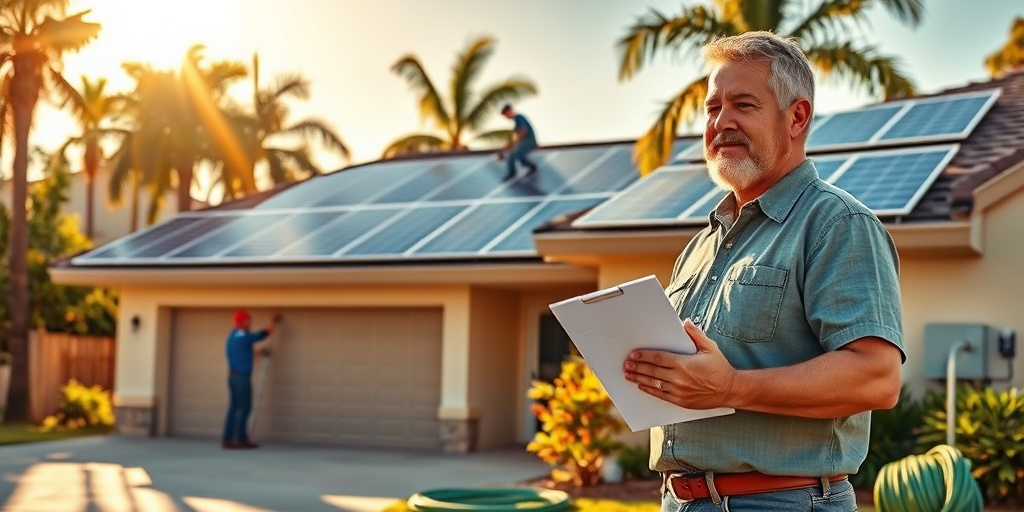
As the sun rises on 2025, a significant shift is poised to unfold for homeowners and commercial property owners across Florida. According to the Solar Energy Industries Association (SEIA), Florida ranks first in the nation for new solar installations, with the potential to power millions of homes with clean energy (SEIA.org). Yet, with such a burgeoning market, many question: What really is the return on investment (ROI) for solar panel installation? Understanding the key factors influencing your solar ROI is vital not only for financial prudence but for securing a sustainable future.
In “Expert Insight: Understanding Solar Panel Installation ROI Factors,” we will dissect the essential elements that contribute to a successful solar investment. With the costs of traditional energy sources continuing to rise, solar energy emerges not only as an environmentally responsible choice but as an economically savvy one. Did you know that over the past decade, solar installation costs have plummeted by nearly 80%, making solar energy more accessible than ever (Energy.gov)? Understanding these financial nuances becomes urgent when deciding whether to transition to solar power.
As you dive into this comprehensive guide, we will cover:
- The critical components that influence ROI, including equipment, installation, and local incentives.
- Actionable steps to maximize your solar investment and minimize upfront costs.
- Common misconceptions around solar ROI that could be holding you back.
- A closer look at Florida’s unique solar landscape and how policies can affect your bottom line.
- The technical aspects of solar systems that lead to effective energy production and savings.
Ready to uncover the mysteries of solar panel ROI? Let’s embark on this educational journey together!
Maximizing Your Solar Investment: A Deep Dive
Meet John and Sarah, a family from Orlando who faced skyrocketing electric bills. With a growing family, they sought to control their expenses while reducing their carbon footprint. Initially skeptical, after a deep dive into solar power’s financial advantages, they decided to install solar panels on their home. The installation cost $20,000 but was offset by a 26% federal tax credit and local rebates totaling $4,000. After only five years, they noticed a drastic reduction in their electric bill—down from $250 a month to just $50. Today, they predict a solar ROI of over 200% over the lifespan of their system. What specific factors led to this impressive ROI?
- Equipment Quality: The choice of high-efficiency panels and inverters plays a significant role in energy production. Higher-quality panels generate more electricity, leading to higher savings. Consider brands that use monocrystalline technology, which can yield more power in a limited space.
- Installation Quality: Working with experienced installers guarantees that your solar system operates at peak efficiency. Sub-par installations can lead to inefficiencies that significantly impact ROI; thus, vet your installer thoroughly.
- Local Incentives and Net Metering: Florida offers substantial incentives, like the Property Assessed Clean Energy (PACE) program and net metering policies, which credit homeowners for excess electricity production. Understanding these local benefits is crucial (DSIREUSA.org).
Throughout the solar journey, it’s important to keep track of all the financial elements affecting your investment. To help you navigate this complex landscape, here’s a checklist to maximize your solar ROI:
- Step 1: Evaluate Current Energy Usage: Audit your energy bill to find out your current energy consumption and potential savings. Invest in an energy-efficient appliance to further decrease energy needs.
- Step 2: Research Solar Incentives: Stay updated on federal and local incentives that could dramatically lower installation costs.
- Step 3: Choose the Right Installer: Search for credible contractors with proven success records in your local area.
- Step 4: Monitor and Manage Output: Invest in monitoring systems to track solar output. If your system is underperforming, maintenance may be required.
- Step 5: Review and Adjust: Annually review your ROI projections, especially as utility rates may rise.
Understanding these key components ensures successful integration into your daily life and maximizes long-term savings. That said, let’s address some common myths about solar energy that might prevent you from pursuing this beneficial investment.
Dispelling Myths Surrounding Solar Panel ROI
Myth #1: Solar Power is Only for the Wealthy. This is one of the most prevalent myths. With financing options like solar loans and leasing, solar power is accessible to all income levels. Studies show that low to middle-income households benefit from solar savings as much as wealthier families do (SolarReviews.com).
Myth #2: Solar Panels Don’t Work on Cloudy Days. Many homeowners believe that solar energy is ineffective without direct sunlight. In reality, solar panels can still function effectively in cloudy conditions, converting diffuse light into energy. Their efficiency may decrease, but they still produce power.
Myth #3: I’ll Never Recoup My Installation Costs. While up-front costs do exist, the return on investment can be significant when you account for tax credits, energy savings, and increased home value. Research shows that solar energy can add around $15,000 to the value of a home (Energy.gov).
Myth #4: All Solar Panels Are the Same. In reality, various brands offer different efficiency rates, warranties, and installation strategies. Opt for high-efficiency panels from reputable manufacturers to maximize your energy production.
Myth #5: Solar Wastes Energy. Homeowners worry about energy production during non-sunny times. However, energy storage solutions allow for the storage of excess energy generated during sunny hours, mitigating waste and optimizing savings.
As we debunk these myths, it becomes evident that knowledge is empowerment. Understanding what works—and what doesn’t—can dramatically shift your decision-making process in favor of adopting solar energy. Let’s now shift our focus to Florida’s unique solar landscape and how specific policies directly impact the potential ROI.
Understanding Florida’s Solar Landscape
The sunshine state is known for its bountiful sun, which became a hotbed for solar energy investments. Florida ranks as the third largest solar market in the United States, reflecting its unique geographic advantages (SEIA.org). However, dynamic changes in policy can impact investment viability.
Some local stats to guide your investment include:
- Florida’s average sunshine hours per year are around 2,875, maximizing solar efficiency.
- As of 2025, solar homeowners will not only save on monthly utility bills but also potentially gain up to 24% additional value in home equity.
- Recent legislation in Florida mandates utility companies to invest more in renewable energy, enhancing incentives for consumers who go solar.
Understanding local net metering laws is equally important. In Florida, you can receive credit for the surplus energy you contribute to the grid, allowing your system to work for you financially, even on days when your home’s energy needs are minimal (DSIREUSA.org).
As we peel back the layers of our energy system, let’s chat about the technical elements behind these systems to comprehend fully how to optimize their potential effectively.
Getting Technical: How Solar Panels Work and Impact ROI
Solar panels function based on the photovoltaic effect, where sunlight excites electrons within the solar cells, converting them into electricity. The resulting energy supplies your home, but there’s more to how solar energy savings are maximized. Understanding the technology behind these systems helps homeowners make informed choices.
- Panel Type: Monocrystalline panels, known for their high efficiency and sleek design, are often more effective in generating energy from sunlight than their polycrystalline cousins.
- Inverters: Solar inverters convert DC electricity produced by the panels into AC electricity that powers your home. Choose high-quality inverters with a good warranty to ensure the longevity of your system.
- Energy Storage: Battery storage solutions allow energy produced during the day to be saved for nighttime use. This innovation reduces dependency on the grid and maximizes savings.
To further explore the potential return from renewable investments, monitor local utility rates. Rising energy costs mean that the ROI of solar panels will likely improve over time due to increasing utility rates, pushing more homeowners to consider solar as a viable long-term solution.
Next Steps for Florida Solar Buyers in 2025
Your journey to a sustainable and financially sound solar future starts here! Follow these essential steps to transition to renewable energy with confidence:
Step 1:
Audit Your Electric Bill: Understand your current energy costs and consumption patterns. This knowledge helps you assess system size and costs accurately.
Step 2:
Research Available Incentives: Take time to explore state and local incentives that could alleviate financial burdens during your investment.
Step 3:
Find a Qualified Installer: Use credible resources and past client reviews to identify reputable solar installation companies in Florida.
Step 4:
Understand Your System Options: Assess which panels and inverters suit your needs best based on efficiency and budget.
Step 5:
Monitor Your Investment: Install monitoring systems to track energy production. This will reveal how effective your system is at offsetting costs.
For further assistance, reach out to floridaelectricandsolar.com, where certified experts are ready to guide you through every step of your solar journey!
Conclusion: Your Solar Future Awaits
Understanding the critical factors surrounding solar panel installations and ROI empowers you to make informed decisions for your household or business. From equipment quality and installation experience to local incentives and technological advancements, every element influences your investment. As the need for clean energy continues to grow, acting now is essential.
By engaging with the insights shared here, you position yourself to optimize your solar experience, ensuring a bright and financially rewarding future. Remember, transitioning to solar energy means you’re not only investing in your utility savings but also contributing to a healthier planet for generations to come.
Are you ready to start your solar journey in 2025? Connect with a certified expert at floridaelectricandsolar.com today.
Related Articles
More insights about Solar Panel

Florida Homeowners: Why Solar Panel Maintenance Is Essential

7 Essential Steps for Solar Panel Installation Success

Expert Insights: Key Factors Influencing Solar Panel Lifespan
Ready to Go Solar?
Have questions about solar energy? Our experts are here to help you make the switch to clean, renewable energy.