
Expert Insight: Understanding Solar Panel Lifespan and Durability
Share:
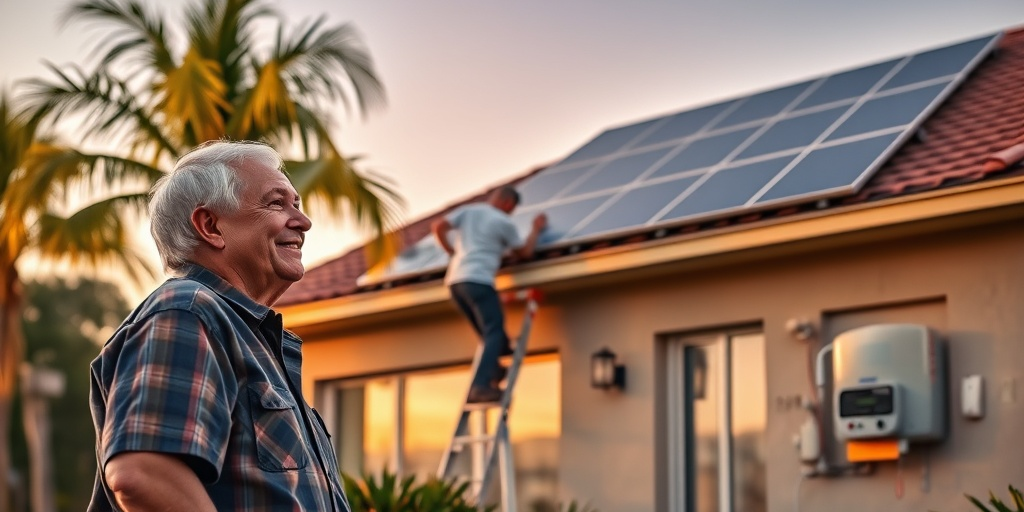
Imagine standing in your backyard, the Florida sun radiating warmth on your skin, while your household is running smoothly on energy harvested from those very rays. It’s a futuristic vision that’s fast becoming a reality for many Floridians. If you’re considering this transformation, understanding solar panel lifespan and durability is crucial to make an informed decision. In our latest piece, titled Expert Insight: Understanding Solar Panel Lifespan and Durability, we aim to shed light on the intricacies of solar technology and how these factors can significantly impact your investment. Did you know that reputable solar panels can last between 25 to 30 years (SolarReviews.com)? Furthermore, nearly 90% of homeowners who invest in solar energy report satisfaction with their choice (SEIA.org). As 2025 approaches, the urgency grows—rising energy costs and new solar incentives are compelling homeowners to consider solar now more than ever. In this article, we will unpack the essential components that affect your solar panels’ lifespan while previewing the following five sections: a rich case study, practical checklists, common myths and their rebuttals, a focus on local Florida conditions, and a technical deep dive into the workings of your solar systems.
Solar Panel Lifespan and Durability: A Deep Dive
When considering solar panels, homeowners often ask: “How long will they last?” To answer that question, let us delve deeper into what factors significantly affect solar panel lifespan, illustrated through a compelling case study.
Meet Emily, a resident of Orlando, Florida. Emily decided to invest in solar panels three years ago, having witnessed her electric bill soar during the sweltering summer months. “I always thought solar panels were too expensive and would take forever to pay off,” she recalls. But after conducting extensive research, Emily discovered that with Florida’s abundant sunshine and various solar incentives, her fears were unfounded.
- One key factor of solar panel lifespan is the quality of materials used. Top-tier manufacturers utilize high-grade silicon and tempered glass, enhancing durability and performance.
- Another factor affecting lifespan is the installation process. A poorly executed installation can lead to structural damage, which reduces not only performance but also overall life expectancy.
- Environmental conditions play a significant role. Florida’s warm climate is generally favorable for solar panel performance, but extreme weather events, like hurricanes, may pose challenges that homeowners should consider.
Emily opted for high-quality panels and worked with a trusted local installer. Three years post-installation, she is enjoying energy savings, lower bills, and renewable energy credits—all while her panels show no signs of degrading performance. In fact, she learned from her provider that reputable systems typically include warranties that guarantee at least 80% efficiency after 25 years.
Checklist for Evaluating Solar Panel Lifespan:
- Step 1: Research the manufacturer’s reputation and longevity in the market. Look for brands that have been in production for over a decade.
- Step 2: Investigate installation quality. Seek out reviews and recommendations for local solar companies.
- Step 3: Request warranty information. Quality panels typically come with warranties that cover both performance and parts.
- Step 4: Consider environmental factors. Review local climate data and how it may impact panel longevity.
- Step 5: Schedule regular maintenance checks to ensure your system is operating optimally.
By taking these steps, like Emily did, not only will you maximize your solar investment, but you will also enjoy peace of mind knowing that you are doing a good thing for the planet while saving money.
A common myth is that all solar panels are built equally and will last equally long, which is far from reality. Myth #1: “All solar panels last 25 years.” While average lifespan is around that mark, panels vary significantly in quality and efficiency. Not all manufacturers provide warranties that support this figure.
Myth #2: “Installation doesn’t impact lifespan.” The truth is that a poor installation can lead to issues such as leaks or electrical failures that can reduce the lifespan of your solar panels significantly.
Myth #3: “Solar panels perform equally in all environments.” Panels can endure high temperatures, but those exposed to excessive humidity, storms, or algae growth may not perform as well as ones in more arid areas.
Myth #4: “Once installed, there’s no need for maintenance.” Regular maintenance will ensure that your system continues to perform optimally, directly affecting lifespan.
Myth #5: “You don’t need to worry about inverter failure.” Inverters do wear out over time, typically after 5-15 years. It’s wise to be financially prepared for this eventuality.
Florida is a hotspot for solar energy adoption, yet it is vital to separate facts from myths. According to the Solar Energy Industries Association (SEIA), the state ranks second in the nation for installed solar capacity, making this a critical focus for potential solar owners in Florida.
Don’t Skimp on Quality: Best Practices for Solar Panel Installation
When you jump into solar power, quality reigns supreme. Here’s your guide to ensuring your installation is top-notch. Following these best practices in 2025 will help you avoid common pitfalls and enhance the lifespan of your solar panel investment.
1. Choose Reputable Manufacturers — Research manufacturers like SunPower or LG Solar, known for their durability and efficiency ratings.
2. Hire Professional Installers — Ensure your installation is performed by certified professionals with strong customer reviews. Their expertise can save you from costly mistakes.
3. Pay Attention to Placement — Panels should be placed to get maximum sun exposure without obstruction. A misaligned array can severely reduce energy production.
4. Regular Maintenance Checks — Schedule annual cleanings and inspections to ensure your system isn’t underperforming due to dirt or equipment issues.
5. Be Prepared for the Worst — Install protective measures against severe weather conditions, such as hurricane ties to secure panels properly to your roof.
Residential solar has grown significantly in Florida. In fact, as of early 2023, the Sunshine State boasts over 1.1 million solar systems installed across homes (SolarReviews.com). Proper installation can be the key to sustaining that growth, making this a vital consideration for homeowners.
The Solar Journey: The Garrison Family’s Path to Solar Energy
Let’s voyage deeper into the solar experience by exploring the fictional but realistic journey of the Garrison family from Tampa, Florida. Faced with escalating electric bills, they finally chose to invest in a solar energy system. Their initial skepticism revolved around the upfront installation costs and savings comparison.
- Research & Education: They began with research, attending local solar expos and learning about available financial incentives like the federal solar tax credit, which allowed them to save 26% on installation costs.
- Choosing the Right System: After receiving quotes from multiple solar companies, they opted for high-efficiency panels with robust warranties.
- Installation Process: Their chosen installers took three days to complete the project, emphasizing safety and quality every step of the way.
- Post-Installation Monitoring: Afterward, they utilized a mobile app to track their energy production and savings. To their delight, they observed an annual energy savings of about $1,800.
- Long-Term Thinking: They researched panel degradation rates and found that after 25 years, their panels would still operate at about 80% efficiency. This knowledge added to their confidence in their investment.
The Garrison family proves that selecting the right system can lead to long-term satisfaction. As the country transitions toward cleaner energy sources, their experience reflects a broader trend in Florida, where solar adoption continues to gain momentum. Data from NREL indicates that residential solar installations across the nation are expected to double by 2025, reflecting a decisive shift toward sustainability (NREL.gov).
Next Steps for Florida Solar Buyers in 2025
If you’ve made the decision to invest in solar, take these actionable steps to ensure a smooth process and a prudent investment. Here’s a well-organized checklist to follow:
- Step 1: Audit your electric bill to estimate your monthly solar energy needs.
- Step 2: Research potential solar companies in your area and check their reviews and references.
- Step 3: Schedule consultations to receive multiple quotes and understand the components of different systems.
- Step 4: Get acquainted with financing options, whether that entails direct purchasing, leases, or power purchase agreements (PPAs).
- Step 5: Stay updated on Florida solar incentives, as these can significantly affect the overall cost of your system.
This journey opens doors to a sustainable future for you and generations to come. The time to act is now; solar energy adoption is rapidly rising in Florida. Your commitment could not only lower your electric bills but substantially impact the environment positively. For more insights and personalized guidance, head over to floridaelectricandsolar.com.
In conclusion, understanding solar panel lifespan and durability is essential in making informed decisions that affect your energy consumption and financial health. From Emily’s wise purchasing choices to the Garrison family’s insightful journey, the narratives encapsulate the vast potential of going solar. With an eye on the future, standing in the sun’s light signifies more than just energy savings—it signifies hope, sustainability, and a commitment to a cleaner planet. Ready to start your solar journey in 2025? Connect with a certified expert at floridaelectricandsolar.com today.
Related Articles
More insights about Solar Panel

Florida Homeowners: Why Solar Panel Maintenance Is Essential

7 Essential Steps for Solar Panel Installation Success

Expert Insights: Key Factors Influencing Solar Panel Lifespan
Ready to Go Solar?
Have questions about solar energy? Our experts are here to help you make the switch to clean, renewable energy.