
Expert Insight: Understanding Solar Panel Maintenance for Longevity
Share:
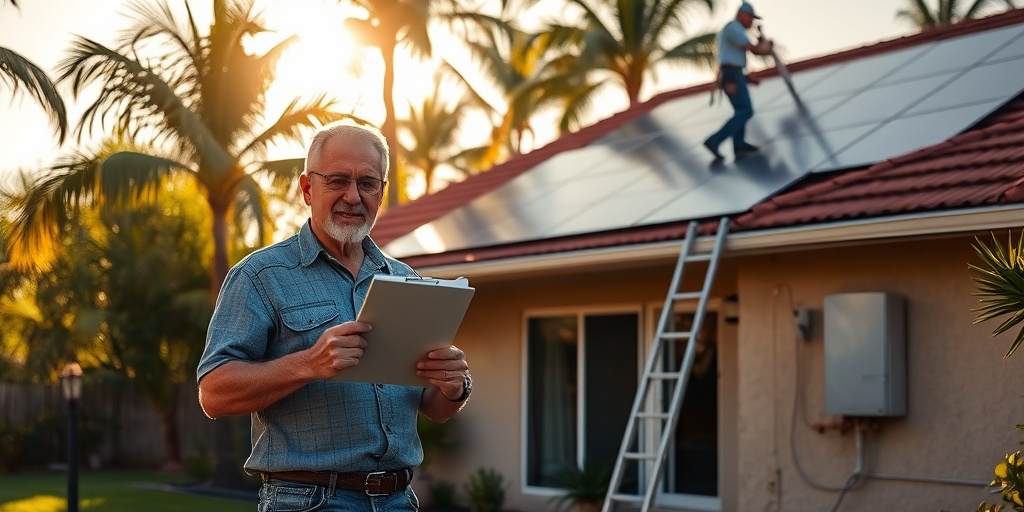
When a roof of solar panels basks in the Florida sun, it doesn’t just serve as a vital source of renewable energy; it represents a long-term investment that can significantly reduce utility bills. Did you know that, according to the Solar Energy Industries Association, the average Florida homeowner can save approximately $20,000 to $30,000 over the lifetime of a solar panel system? This is a compelling statistic as you consider your own path toward energy independence. As we approach 2025, the urgency for understanding solar panel maintenance becomes increasingly crucial. With rising energy costs and an ever-changing political climate promoting clean energy, being proactive in your solar journey can lead to optimal performance and longevity for your investment. In turn, this knowledge can empower you to make smarter decisions about your energy needs. In this article titled “Expert Insight: Understanding Solar Panel Maintenance for Longevity,” we delve deep into expert strategies that every Florida homeowner and commercial property owner should know. We’ll explore their advantages, dispel myths surrounding solar maintenance, and offer practical steps to ensure the longevity of your system. Let’s preview what this in-depth article covers: a narrative case study to inspire you, an actionable checklist for maintaining your solar investment, a myth-busting section to clarify misconceptions, a localized focus on Florida-specific details, and a comprehensive look at the underlying technologies and policies that make solar power viable in our state.
Real-Life Case Study: Meet the Williams Family
Imagine the Williams family in Jacksonville, Florida. They made the switch to solar energy two years ago as a way to combat rising electricity bills, which were already climbing as high as $300 monthly during the summer months (Florida Power & Light). With the installation of a 10kW solar panel system, their goal was not only to reduce their utility bills but also to contribute to a more sustainable future. The savings began to accumulate, and they witnessed a noticeable reduction in their monthly expenses. However, a year into their solar journey, they noticed a dip in the energy output of their system. This was a wake-up call, prompting them to realize that solar panel maintenance was not merely an afterthought—it was essential for their investment.
In 2025, with many Florida homeowners considering the switch to solar based on attractive incentives, it’s critical to recognize that high energy savings are not guaranteed without appropriate maintenance. The Williams family turned to local experts to understand how they could preserve their system’s performance. Through their experience, we derive invaluable tips for maintaining solar panels and ensuring their longevity.
5 Essential Steps for Solar Panel Maintenance
Step 1: Regular Cleaning – Florida’s sunny climate might mean your panels generate ample power, but dust, leaves, and debris can accumulate and hinder performance. It’s recommended to clean your panels at least twice a year. A simple rinse with water is usually sufficient, but for stubborn grime, a soft brush might be required.
Step 2: Visual Inspections – Conduct regular visual inspections to ensure no physical damage to the panels or surrounding equipment. Look for cracks, loose wiring, or any discoloration that might indicate an issue. Detecting issues early is key to avoiding costly repairs.
Step 3: Monitor Energy Output – Many solar systems come with monitoring tools that allow you to view energy production in real-time. Keep an eye on this data to identify any fluctuations or drops in performance. If you notice a significant decrease, it’s time to seek professional help.
Step 4: Professional Maintenance – Schedule maintenance checks with certified professionals. This is especially critical after severe weather events, which are common in Florida. Experts can identify problems that aren’t visible during your regular inspections.
Step 5: Check Inverter Performance – Your inverter is the heart of your solar system. If it’s malfunctioning, you won’t see any energy savings. Ensure you understand its function and perform routine checks to guarantee it’s operating efficiently. An inverter typically lasts about 5-10 years, so plan for its replacement.
Myths About Solar Panel Maintenance Debunked
Despite the wealth of information available, misconceptions about solar panel upkeep continue to linger. Let’s take a moment to dismantle these common myths:
Myth #1: Solar Panels Are Maintenance-Free – While solar panels can be low-maintenance, they do require regular care. Neglecting this can lead to reduced efficiency and increased repair costs over time.
Myth #2: Cleaning Solar Panels Is Dangerous – Many homeowners fear climbing on their roofs, thinking it risky. However, with proper equipment and safety measures, cleaning panels safely can be performed or delegated to professionals.
Myth #3: Rain Naturally Cleans Solar Panels – Although rain can help clear away some debris, it often doesn’t provide a thorough cleaning. Areas with dust or bird droppings need more than rain to maintain productivity.
Myth #4: Warranty Covers Maintenance Issues – Owners often believe their warranties cover all upkeep-related problems. While warranties can cover certain defects, regular maintenance often falls to the owner.
Myth #5: Old Solar Panels Are Inefficient – Older models can still function efficiently with regular maintenance. Take care of your panels and they can meet energy needs for many years.
In Florida, with the push for solar energy benefiting from state incentives, it’s essential to separate fact from fiction. Understanding these truths can help homeowners maximize their solar savings and avoid unexpected pitfalls.
Local Focus: The Florida Solar Landscape
Florida ranks second in the U.S. for solar energy generation, demonstrating its commitment to renewable energy (SEIA.org). However, solar panel maintenance takes a distinct turn in this subtropical climate. Homeowners should consider:
- High Ultraviolet Radiation: Florida’s sun can wreak havoc on various materials. Choose high-quality panels designed to withstand intense UV exposure.
- Hurricane Preparedness: With hurricane season affecting Florida from June to November, consider securing your solar system with professional installation to withstand high winds.
- Local Incentives: Programs like the Property Assessed Clean Energy (PACE) allow homeowners to finance solar system installations through property tax assessments, easing the financial burden for many.
- Seasonal Storm Impact: Post-storm inspections are crucial to ensure that panels have not shifted or sustained damage. The average cost to replace panels can range from $1,000 to $10,000, depending on the extent of the damage and the technology used.
With Florida’s unique climate conditions and loyal commitment to solar energy, understanding how to maintain your installation isn’t just important—it’s essential for reliability and potential savings. Mastering these maintenance practices can give homeowners peace of mind knowing their systems are optimized for performance, even in turbulent weather.
Technical Deep-Dive: Navigating the Solar System
To fully grasp solar panel maintenance, let’s take a closer look at the components that make up a solar energy system: solar panels, inverters, batteries, and monitoring technology. Understanding these parts leads to effective servicing and long-term care.
Solar Panels: Panels typically last 25 to 30 years, producing about 80% efficient energy as they age. Regular cleaning and inspections ensure you get the most out of this investment.
Inverters: This component converts the DC electricity generated by solar panels into usable AC electricity. A malfunctioning inverter not only affects energy output but may also generate additional costs. It’s recommended to replace an inverter every 5-10 years, so stay vigilant.
Batteries: Storage systems allow homeowners to harness energy produced during the day for nighttime use. Batteries must be maintained as per the manufacturer’s guidelines, as their lifespan directly affects solar performance. Most battery systems last between 5-15 years.
Monitoring Systems: Modern systems come with monitoring technology, providing homeowners with real-time data on performance. It is an invaluable tool to help detect issues early, thus promoting system longevity.
Understanding this technical baseline empowers you to make wise maintenance decisions. Regularly monitoring these key components enables you to anticipate repairs and troubleshoot quickly, further optimizing solar savings as we approach 2025.
Next Steps for Florida Solar Buyers in 2025
As you consider your solar investment for 2025, focus on a seamless transition into the world of renewable energy. Following these actionable next steps ensures you maximize your long-term benefits and contribute to a more sustainable Florida:
- Step 1: Audit Your Electric Bill – Understanding your current energy consumption will help guide your solar needs.
- Step 2: Research Incentives – Look into state programs and federal tax credits available for solar installations in Florida.
- Step 3: Find a Reputable Installer – It’s essential to partner with trusted professionals who can guide you through the entire process and ensure a quality installation.
- Step 4: Schedule Routine Maintenance – Develop a maintenance plan early based on expert recommendations to guarantee your system remains in peak condition.
- Step 5: Monitor Performance – Utilize monitoring systems to keep tabs on your system’s performance in real time to catch issues before they escalate.
By following this checklist, you’re ensuring a smoother transition into the future of energy in Florida, where solar power isn’t just a luxury but a necessity for many homeowners.
In summary, ensuring the longevity and efficiency of your solar panel system is not a passive endeavor. From understanding the nuances of maintenance to navigating the technical landscape, this proactive approach can yield significant savings and results. As you embark on your solar journey, remember the Williams family, who took charge of their solar destiny—they didn’t just aim for energy bills to stay low; they became proactive stewards of their systems. In a state eager to embrace solar in 2025, don’t rest on your laurels—take steps now to protect your investment.
Ready to start your solar journey in 2025? Connect with a certified expert at floridaelectricandsolar.com today.
Related Articles
More insights about Solar Panel

Florida Homeowners: Why Solar Panel Maintenance Is Essential

7 Essential Steps for Solar Panel Installation Success

Expert Insights: Key Factors Influencing Solar Panel Lifespan
Ready to Go Solar?
Have questions about solar energy? Our experts are here to help you make the switch to clean, renewable energy.