
Expert Insight: Unlocking Solar Panel Installation Financing Options
Share:
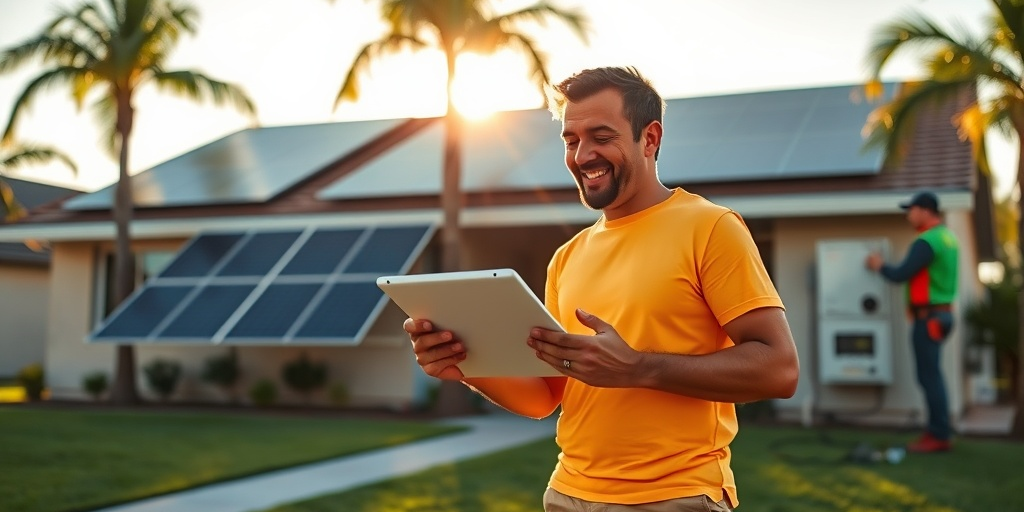
As the bright Florida sun rises each day, it reminds us of an undeniable truth—solar energy is no longer just an option; it’s becoming a necessity. In fact, a recent report highlighted that Florida ranks among the top states for solar energy capacity, holding over 2.56 million solar panels, which translates to significant savings for homeowners and businesses alike (SEIA.org). Many Florida homeowners are discovering that making the switch can lead to reductions in their electric bills by 50% or more. However, the path to solar power, specifically solar panel installation financing, remains obfuscated for many. This is where our article, Expert Insight: Unlocking Solar Panel Installation Financing Options, steps in to illuminate effective financial strategies for affordable solar panel installation today.
As we approach 2025, the urgency intensifies. The rising energy costs and the looming threat of grid instability due to climate change and natural disasters make this a crucial time for property owners to consider solar energy. Coupled with innovative financing options, the installation of solar panels becomes achievable for various budgets. In this comprehensive guide, we’ll explore:
- A deep dive into financing options through insightful case studies.
- A checklist that guides you through financing steps and requirements.
- Common myths about solar financing debunked for your clarity.
- Florida-specific context that makes adopting solar energy an advantageous choice.
- A technical analysis regarding the infrastructure and policy surrounding solar installations.
Whether you’re a homeowner dreaming of lower energy bills, or a commercial property owner looking to enhance your sustainability profile, this blog will provide the tools you need to make informed decisions about solar financing.
Expert Insights into Solar Financing Options: A Deep Dive
Imagine the Gates family from Orlando. Faced with rising electric bills and four children in college, they were desperate for a solution to reduce expenses. When they discovered the potential of solar energy, not only were they attracted by the possibility of lower bills, but also by the fact that Florida’s sunshine promised to power their home efficiently. However, their primary concern was the initial cost of installation. They felt overwhelmed and unsure of how to finance this ambition.
The good news is that the Gates family isn’t alone. Thousands of Florida homeowners share similar concerns, yet many have successfully navigated financing options, securing affordable solutions for their solar installations. Here are actionable steps they took—essential insights for those looking to follow in their footsteps.
- Explore Federal Incentives: In 2025, the Federal Solar Investment Tax Credit (ITC) allows homeowners to deduct 30% of the cost of installing a solar energy system from their federal taxes (Energy.gov). This incentive is a powerful tool that can significantly reduce overall costs.
- Understand Local Grants and Programs: State and local initiatives, often offered through utility companies, can provide further rebates or credits. Programs such as the Solar Energy Incentive Program (SEIP) in Florida could enhance savings.
- Opt for Low-Interest Financing: Programs like the Property Assessed Clean Energy (PACE) provide low-interest loans specifically for renewable energy projects. The Gates family found such a program invaluable, allowing them to install a solar system without heavy upfront payments.
- Consider Solar Leases and Power Purchase Agreements (PPAs): If upfront payments still seem daunting, some companies offer solar leasing or PPAs, where you essentially pay for the power produced rather than the panels themselves. This alleviates them from heavy costs while reaping savings.
- Consult Solar Experts: Engaging a reputable solar company can set you on the right path. For the Gates family, a consultation with Florida Electric & Solar provided clear insights into which options suited their financial needs.
After equipping themselves with knowledge and choosing the right financing, the Gates family successfully installed solar panels, significantly reducing their monthly bills. Similar stories resonate across Florida. It’s time to debunk some myths and inspire those still hesitant about solar financing.
5 Solar Financing Myths Debunked
At this juncture, it is critical to address common misconceptions that often cloud the decision-making process when it comes to solar financing.
- Myth #1: Solar Panels Are Too Expensive: Contrary to belief, solar panels’ installation costs have dropped by nearly 70% over the past decade. With financial incentives available, most homeowners can install solar energy systems that fit their budgets, often seeing returns on investment within five to seven years (SolarReviews.com).
- Myth #2: Financing Solar Means Debt: While some forms of financing may increase debt, PACE programs and solar leases allow homeowners to enjoy solar energy with minimal or no upfront costs, shifting the burden from high initial payments to manageable ones.
- Myth #3: You Can’t Afford Solar Without Cash: Many financing options—such as solar loans and lease agreements—make solar accessible without requiring cash upfront. This allows you to pay as you benefit from savings.
- Myth #4: Solar Financing is a Long Process: The truth is that once homeowners are informed of their options, financing solar can be executed in a matter of weeks, allowing installations to be completed swiftly.
- Myth #5: All Solar Financing Options Are the Same: Each financing type serves different needs. Understanding your personal financial situation allows you to choose the most appropriate one—leasing, purchasing, or financing.
Armed with a clearer perspective, Florida homeowners can push past skepticism and explore diverse funding options available to them. Next, we can explore the local context to understand why finance options aren’t just varied—they’re essential.
The Florida Solar Landscape: Local Insights for Proper Financing
Florida is renowned for its abundant sunshine, yet it increasingly earns a reputation for an empowering solar community. The Sunshine State leads the Southeast region in solar energy generation, with the potential to produce over 28,600 MW of solar power, translating into significant financial opportunities for homeowners and businesses alike (NREL.gov). This robust growth speaks to the feasibility and necessity of tapping into solar energy, which naturally drives down electricity costs for both residential and commercial property owners.
Consider these compelling reasons to finance your solar journey in Florida:
- Favorable Financing Programs: The state offers several financing structures to facilitate solar adoption, including state-specific tax credits and rebate programs designed to reduce the overall costs.
- Net Metering: Florida’s net metering policies allow solar homeowners to sell excess electricity back to the grid, giving them credits for future electricity usage, contributing further to the economic viability of solar installations.
- Increased Home Value: Studies show homes equipped with solar energy systems appreciate at a higher rate. Florida homeowners can expect increased property value and quicker sales, making solar an attractive investment.
The statistics are encouraging and serve as a backdrop for adopting solar energy. Communities across Florida are striving not only to lower electricity costs but also to protect the environment and invest in sustainable practices. Let’s dive deeper into why some are hesitant and how to implement best practices.
5 Expert Solar Installation Tips for 2025
Transitioning to solar energy can feel daunting, but it can be accessible with expert insights and the right strategies. Take note of these practical tips designed to empower homeowners as they navigate their decisions:
- Know Your Energy Use: Before diving into installation, assess your electricity consumption to better understand the size of the system you need. The lower your consumption, the less you require.
- Shop Around for Quotes: Engage with multiple solar firms to compare installation costs and financing options. Transparency and competitive offers can yield the best financial decision.
- Consider Installation Quality vs. Cost: While saving money is paramount, prioritize hiring experienced installers as failure to do so can lead to problems such as improperly placed panels, affecting efficiency.
- Stay Abreast of Incentives: Regularly check for updates on state and federal grants or programs that may alter the state of solar financing. With evolving policies, staying informed can yield further savings.
- Understand the Warranty: Ensure you are aware of all parts and service warranties. Top manufacturers may offer substantial warranties, securing your financial investment in the long run.
By implementing these expert-developed guidelines, homeowners can greatly ease their transition into solar energy, substantiating both financial and environmental benefits.
The Solar Journey: A Fictional Yet Realistic Case
Meet the Martin family from Tampa. Initially skeptical about the practicality of solar energy, they researched and weighed their options. Finally, in 2025, they decided to go solar after realizing that their energy bills had spiked due to increasing rates. They sought out financing through local solar firms, eventually benefiting from accessible payment plans that required no hefty upfront investment. With the help of engineering experts, they got a custom-designed solar system tailored to their needs.
- Realization: They quickly learned about the sunny benefits of integrating solar panels and how much of their bill could be eliminated.
- Consultation: Their consultation with solar experts guided them through financing options, rebates, loans, and grants available at their disposal.
- Installation: The installation exceeded their expectations and went smoothly, and they began witnessing immediate reductions in their electric bills.
- Satisfaction: In just a year, they enjoyed a 60% reduction in their electric expenses, ultimately transforming their financial situation.
This journey speaks volumes about adaptability and foresight. By taking small yet meaningful steps, Florida homeowners—and even aspiring businesses—have experienced significant energy cost reductions, contributing to financial security and sustainability.
Next Steps for Florida Solar Buyers in 2025
As we conclude, let’s summarize actionable steps for Florida residents motivated to embark on their solar journey:
- Step 1: Audit Your Electric Bill: Understand your current energy spending and usage before making any decisions about moving forward with a solar installation.
- Step 2: Research Solar Financing Options: Investigate various financing choices, from loans to PACE programs or Leases. Engage with solar experts to learn what fits best for you.
- Step 3: Obtain Multiple Quotes: Don’t settle for the first quote. Explore multiple offers and compare installation services and incentives to ensure you land the best deal.
- Step 4: Confirm Installation Warranties: Grasp the warranty terms—part warranties, service subscriptions, and the installation guarantee can save you future headaches.
- Step 5: Connect with a Solar Expert: Reach out to trusted professionals for guidance, recommendations, and the final green light to proceed with installation.
Ready to embark on your solar journey? Connect with a certified expert at floridaelectricandsolar.com today and take the first step toward a more sustainable, economically-friendly energy future.
In conclusion, the journey to solar energy is not just about installing panels. It’s about strategic planning, seamless financing, and a commitment to sustainable living. By embracing solar energy in 2025, Florida homeowners can cut overhead costs and invest in a cleaner future. Let’s move forward together, transforming the dream of solar energy into reality for a brighter tomorrow.
Ready to start your solar journey in 2025? Connect with a certified expert at floridaelectricandsolar.com today.
Related Articles
More insights about Solar Panel

Florida Homeowners: Why Solar Panel Maintenance Is Essential

7 Essential Steps for Solar Panel Installation Success

Expert Insights: Key Factors Influencing Solar Panel Lifespan
Ready to Go Solar?
Have questions about solar energy? Our experts are here to help you make the switch to clean, renewable energy.