
Expert Insights on Choosing the Right Inverter for Solar Systems
Share:
“`html
Did you know that nearly 20% of Florida’s electricity generation comes from solar power? As solar energy gains momentum, many homeowners are realizing the importance of an essential component of their solar system: the inverter. That’s why we’re diving deep into “Expert Insights on Choosing the Right Inverter for Solar Systems.” With energy costs spiking and more incentives being offered than ever before in 2025, selecting the right inverter can significantly influence both the performance of your solar setup and your utility bill savings. Furthermore, as Florida leads the nation in new solar installations, understanding how to optimize your system becomes a pressing necessity. In this article, we’ll explore five critical aspects of solar inverters: a compelling case study, a practical checklist for the purchasing process, some common myths debunked, Florida-specific insights, and a technical deep-dive into the technology itself that is transforming the energy landscape.
Understanding the Role of Inverters in Solar Systems
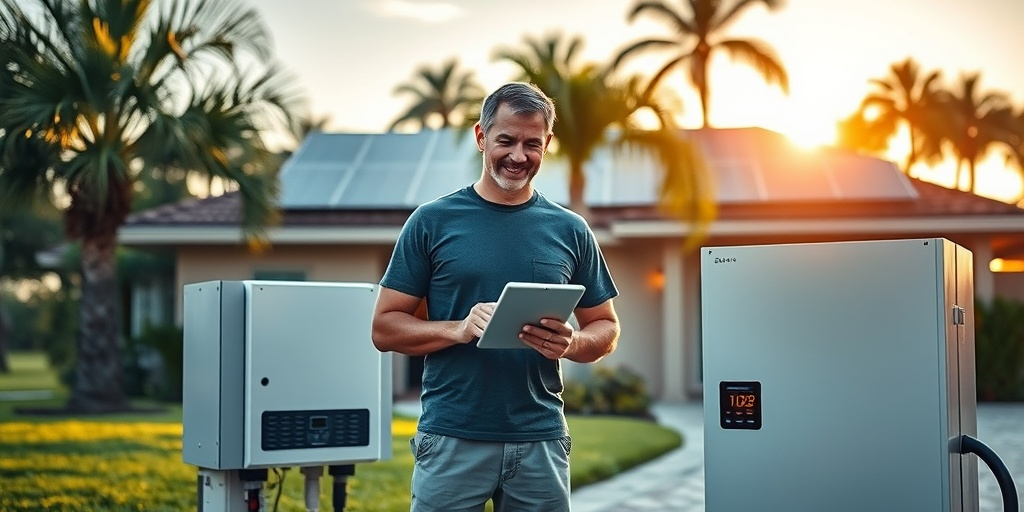
When Jane and Tom, a family living in Orlando, decided to go solar in 2022, they thought their journey would be straightforward. They were excited by the prospect of slashings their energy bills and contributing positively to the environment. However, they hit a pivotal roadblock: choosing the right inverter. This step turned out to be critical, as their inverter choice could significantly impact their system’s efficiency. They learned the hard way that not all inverters are created equal.
Choosing the right inverter can make or break your solar investment. This is because the inverter is responsible for converting the solar energy captured by your panels into usable electricity for your home while ensuring optimal performance. Here’s a checklist that will help demystify the inverter selection process:
- Step 1: Understand the types of inverters available.
- Step 2: Assess your energy needs based on peak usage times.
- Step 3: Research inverter efficiency ratings and warranties.
- Step 4: Investigate smart inverter technology features.
- Step 5: Consider installation costs and available incentives.
In 2025, this understanding becomes crucial as Florida homeowners face rising electricity prices and are presented with unique utility incentives designed to alleviate some of these costs (SEIA.org). Understanding inverter technology is not just vital for reducing expenses; it enhances solar energy efficiency, maximizing both savings and environmental impact.
Key Factors to Consider in Your Inverter Choice
To further empower Florida homeowners in their quest for solar supremacy, there’s a need to address some common myths surrounding inverters. By doing so, we can help clarify the essential facts about what really matters when choosing the right inverter for your solar system.
Myth #1: All inverters are the same. This is a misconception; inverters come in different types: string inverters, microinverters, and power optimizers. Each serves unique purposes and benefits depending on the solar installation and homeowner’s needs.
Myth #2: Higher cost means better quality. While price can indicate quality, it doesn’t always guarantee it. Homeowners should investigate inverter specifications and track records on reliability (Energy.gov).
Myth #3: Installation is the same for all inverters. This is misleading. Each inverter type has different installation requirements. Microinverters, for example, require more extensive wiring compared to string inverters.
Myth #4: You can only use the inverter provided by your solar panel manufacturer. A wide variety of compatible inverters are available on the market, allowing homeowners more flexibility in their choice of products.
Myth #5: Inverter efficiency does not affect system performance. Inverter efficiency is crucial and directly correlates with the overall performance of your solar power system. Higher efficiency ratings mean lower energy losses and more savings in electric bills (SolarReviews.com).
With these myths debunked, let’s move into a Florida-focused world where solar systems are getting smarter and more reliable.
Florida-Specific Insights About Solar Inverters
Florida is not merely about sunshine; it is a growing hub for solar energy due to favorable government incentives. In 2025, many homeowners will benefit from programs aimed at assisting with solar installations. However, understanding the local market is key to making informed choices, particularly regarding the types of inverters you can invest in.
Here are some local considerations to factor in:
- Sunshine State Incentive Programs: Florida’s solar rebate programs can significantly reduce upfront costs. The solar tax credit allows homeowners to deduct 26% of the total value of their solar installation from their federal taxes (NREL.gov).
- Best-in-Class Brands: Researching brands that have strong reputations in Florida is essential. Look at their track record in installations across the state and gather insights from other homeowners.
- Local Utility Regulations: Different utilities have different net metering policies. Understanding how these will impact your solar setup will ensure you’re choosing an inverter that aligns with local regulations.
- Heat and Humidity Considerations: Florida’s climate necessitates an inverter that can withstand heat and humidity without loss in performance. Look for products rated for outdoor installation.
- Sales Tax Exemptions: Florida provides advantages such as a sales tax exemption specifically for renewable energy systems, which can also impact your choice of inverter.
Having covered the essential aspects of Florida’s solar landscape, let’s delve deeper into some best practices for installing solar systems in 2025.
5 Expert Solar Installation Tips for 2025
When embarking on your solar journey, particularly in the vibrant landscape of Florida, best practices can save you money and increase efficiency tremendously. Here are five expert tips for successful solar installation:
1. Don’t Skimp on Quality: Selecting high-quality solar inverters should always be a priority. Stick to reliable brands with proven efficiency to protect your investment.
2. Consider Smart Technology: In 2025, Advanced smart inverters can help you better manage your energy consumption, delivering precise analytics about your solar output.
3. Optimize Panel Placement: Work with your installer to ensure that panels are placed optimally for sunlight exposure. Uninterrupted sunlight translates to maximized energy generation.
4. Stay Informed About Local Incentives: Leverage any available financial aid, grants, or low-interest loans provided by Florida local governments to offset your initial investment cost.
5. Regular Maintenance: Ensure your solar system is routinely checked and maintained so that it functions effectively for years, enhancing your return on investment.
A Day in the Life of a Florida Solar Homeowner
Let’s take a closer look at how the typical journey unfolds for a Florida homeowner like Jane who embraced solar energy. Before installing her system, she hesitated, caught in the confusion surrounding inverters. Luckily, she reached out to experts at floridaelectricandsolar.com, and they guided her through the details.
After evaluating her family’s solar energy needs, Jane learned that a microinverter will suit her roof’s layout better. Thanks to her personalized consultation, she smoothly navigated through the process.
- Understanding the Impact: Jane discovered that a microinverter would maximize energy harvest due to its ability to optimize performance at the individual panel level.
- Financing Choices: With a clear understanding of available rebates and financing, Jane secured a solar system more comfortably than anticipated.
- Day-to-Day Benefits: Within months, her electric bills dropped markedly, often hitting zero; she also appreciated the never-decreasing value of her home.
- Neighborly Influence: After a positive experience, Jane became an advocate in her community, sharing her solar journey and the importance of inverter selection.
In summary, Jane’s experience showcases how empowered education leads to enthusiastic adoption of solar energy amongst Florida homeowners, laying the foundation for energy independence.
Next Steps for Florida Solar Buyers in 2025
Ready to embark on your solar journey? Here’s how you can ensure a seamless experience in 2025:
- Audit Your Electric Bill: Start by reviewing your last six months of electricity use. Identify peak usage times to best understand how much solar energy you require.
- Research Inverter Types: Familiarize yourself with inverter types like string inverters, microinverters, and hybrid inverters, assessing which best suits your needs.
- Consult with Professionals: Reach out to experts who can provide personalized recommendations based on your energy needs. Check out floridaelectricandsolar.com for more information.
- Explore Financing Options: Research available incentives, rebates, or tax credits in your area. Understanding the local financial landscape can help ease the upfront costs.
- Stay Informed: Energy policies often change. Stay abreast of new developments in solar technology and state incentives to maximize your savings.
As we conclude our exploration of inverters, understanding their role in solar systems is more critical than ever for Florida homeowners.
In summary, selecting the correct inverter for your solar system is not just another task on your checklist; it is a pivotal decision that can influence the efficiency, savings, and sustainability of your energy use. With rising energy costs, understanding how to optimize your solar system through informed choices regarding inverters is essential in 2025 and beyond. Remember, your decision impacts not only your utility bill but your family’s future and the environment we all share.
Ready to start your solar journey in 2025? Connect with a certified expert at floridaelectricandsolar.com today.
“`
Related Articles
More insights about Solar Inverter

10 Quick Tips for Choosing the Right Solar Inverter

Technical Deep-Dive: Choosing the Right Inverter for Solar Efficiency

The Ultimate Guide to Choosing the Right Inverter for Solar Systems
Ready to Go Solar?
Have questions about solar energy? Our experts are here to help you make the switch to clean, renewable energy.