
Expert Insights on Financing Options for Solar Panel Installation
Share:
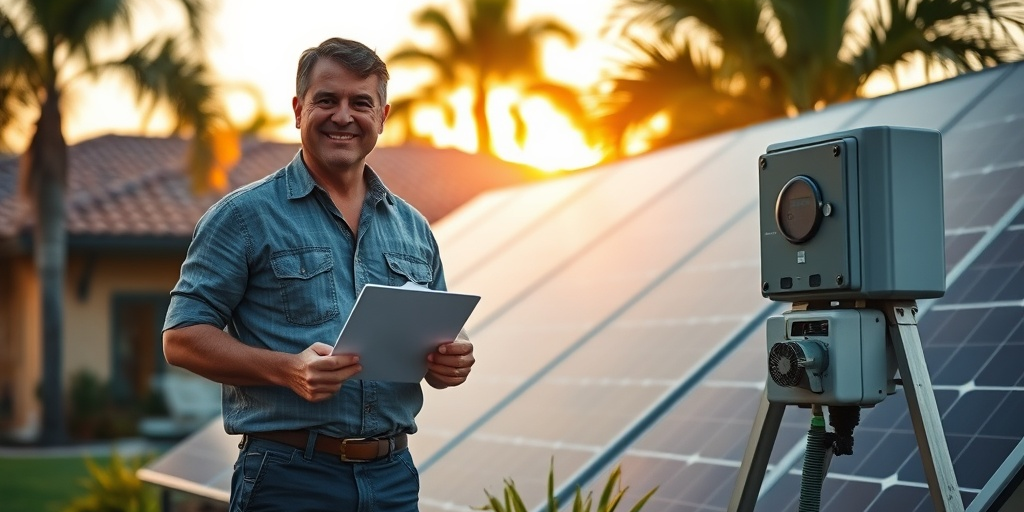
In a world where energy costs are skyrocketing, homeowners are increasingly feeling the strain. Did you know that Florida has seen a steady rise in electricity prices, with rates jumping over 40% in the last decade alone? This trend is not only unsustainable but alarming, especially for families looking to keep their homes financially secure. Welcome to “Expert Insights on Financing Options for Solar Panel Installation,” where we aim to demystify how solar energy can help you combat rising utility costs while paving the way for a sustainable future.
As of 2025, the stakes are higher than ever, with new solar incentives, increased grid instability, and an urgent need for renewable energy solutions. The challenges of climate change mean that Florida homeowners must make informed decisions about how to power their homes. According to the Solar Energy Industries Association (SEIA), Florida ranks among the top states for solar capacity, with an impressive growth trajectory expected to continue into the next few years. This reveals an incredible opportunity for both homeowners and commercial property owners to capitalize on solar panel installations for long-term savings.
Throughout this article, we will explore five critical areas of consideration that will guide you in your transition to solar energy:
- The Cost of Going Solar: A Deep Dive
- Essential Steps to Financing Your Solar Project
- Debunking Common Myths About Solar Energy
- Florida-Specific Incentives and Initiatives
- Technical Considerations for a Successful Installation
Equipped with this knowledge, you can make an informed decision that not only calms your worries about future electric bills but also positions you as a leader in the growing green energy movement.
The Cost of Going Solar: A Deep Dive
Consider the journey of Sarah and Jason, a young couple living in Miami. With a growing family and a mounting electricity bill, they turned their attention toward solar energy in hopes of cutting costs. Initially intimidated by the upfront costs of solar panel installation, they discovered that they could qualify for a range of financing options to mitigate these expenses.
Here’s a checklist of actionable steps they took that may help you in your pursuit of solar power:
- Research Available Incentives: Sarah found out about the federal solar tax credit that allows homeowners to deduct a significant portion of their installation costs from their federal taxes. Additionally, Florida has its own solar rebates that can further easen the financial burden.
- Assess Financing Options: The couple explored financing methods like solar loans, which can enable them to spread out the cost of their solar system over several years. Local banks and credit unions often offer competitive rates tailored for solar installations.
- Get Multiple Quotes: By obtaining quotes from various solar companies, they could compare pricing and find the best deal. Florida Electric & Solar stood out for offering a transparent pricing structure.
- Understand Your Utility Bills: They closely examined their utility bills to identify their average monthly energy consumption, which informed them about system capacity they would require.
- Talk to Experts: Engaging with solar consultants enabled Sarah and Jason to receive expert guidance on best practices for installation and maintenance.
Despite initial fears, the couple successfully navigated the complexities of financing their solar power system. They soon learned that wrapping their heads around the myth that solar is too expensive was crucial. In fact, the long-term savings far outweighed their initial investment. Projections suggest that homeowners in Florida who invest in solar could save up to 50% on their energy bills over the lifespan of the system (SEIA.org).
But what about the myths that often deter homeowners from exploring solar energy? Let’s debunk those misconceptions next.
Debunking Common Myths About Solar Energy
When striving to go solar, many homeowners encounter skeptical friends, family, or even salespeople who reaffirm age-old myths that can inhibit their decisions. It’s crucial not just to know the truth but to understand where these myths stem from. Here are common misconceptions worth addressing:
- Myth #1: Solar Panels Are Too Expensive – While the initial investment may seem daunting, going solar can become far more affordable due to available federal and state incentives, as well as financing options.
- Myth #2: Solar Doesn’t Work in Cloudy Weather – Solar panels can still generate electricity on cloudy days. In fact, many Florida installations capitalize on diffuse sunlight, maintaining efficiency even with overcast skies.
- Myth #3: It’s Better to Wait for Technology to Improve – Waiting for newer technology can lead to missed opportunities for savings. With the rapid advancements in solar technology and financingoptions, immediate adoption often yields considerable benefits.
- Myth #4: Solar Panels Harm the Environment – Surprisingly, the production and installation of solar panels are far less harmful environmentally than traditional fossil fuels, presenting a cleaner alternative for energy production.
- Myth #5: You Need a Big Roof to Go Solar – Regardless of the size of your property, there are various installation options, including ground-mounted systems or community solar programs, allowing more homeowners to benefit from solar energy.
Embracing the reality of solar solutions proves essential for discerning Florida homeowners. With around 18% of electric energy currently harnessed from renewable sources, there is a clear path for bolstering Florida’s commitment to solar energy (NREL.gov). So if you’ve ever felt inhibited by the myths surrounding solar installations, it’s time to shift your perspective.
Florida-Specific Incentives and Initiatives
Certainly, one of the most attractive features of going solar in Florida is the state’s commitment to incentivize solar energy production. Here’s what homeowners should keep in mind:
- Florida Solar and Energy Efficiency Act: This legislation encourages the installation of renewable energy and offers tax exemptions for solar energy systems, making it easier for families to switch.
- Net Metering: Florida homeowners can save money through net metering policies, allowing energy generated by their solar panels to be sent back to the grid in exchange for credits on their monthly bills.
- Solar Rebates: Numerous utilities in Florida offer rebates for sun energy systems, which can offset a part of the upfront costs, further reducing the financial barriers for solar adoption.
- Property Tax Exemptions: In addition to exemption from sales tax, Florida law also allows homeowners to receive property tax exemptions for the added value of solar installations.
- Federal Solar Investment Tax Credit (ITC): The federal ITC offers a 30% tax deduction on system installation, which can save homeowners thousands in upfront costs.
These incentives make going solar not just an eco-friendly move, but also a sensible financial decision worth considering. Families in Florida can enhance their financial sustainability while contributing to a greener environment.
Technical Considerations for a Successful Installation
When contemplating solar panel installation, technical aspects can often feel overwhelming. A successful implementation requires strategic planning, optimal installation, and a keen understanding of the specifics. Here’s a deeper dive:
- Understanding System Capacity: Deciding on the right size of your solar energy system requires an understanding of your energy use, as well as the shading patterns on your property.
- Panel Type Selection: Rigorous market review enables you to distinguish between monocrystalline and polycrystalline panels, as each offers specific advantages regarding efficiency and space requirements.
- Check Incentive Eligibility: It’s essential to verify which incentives apply to your specific situation, as solar legislation can be complex and vary from locality to locality.
- Consult Installer Credentials: Confirm that your chosen installer has the necessary licensing and experience in realizing successful solar projects in Florida.
- Regular Maintenance: Understanding maintenance best practices post-installation is critical to ensuring your system operates effectively and efficiently over time.
Ultimately, the technical considerations surrounding solar power demand attention to detail and intentionality. Otherwise, a lack of foresight could lead to costly mistakes that hinder your solar energy journey.
Next Steps for Florida Solar Buyers in 2025
If you’re considering making the leap to solar energy in 2025, here’s your actionable roadmap:
- Audit Your Electric Bill: Gather your bills from the past year to identify your energy consumption patterns.
- Assess Property Suitability: Evaluate your roof’s orientation and available space for solar panels or consider alternatives such as ground-mounted systems.
- Research Local Incentives: Investigate available incentives that can significantly reduce upfront costs, ensuring you take full advantage while they last.
- Get Multiple Quotes: Reach out to several reputable solar installation companies to compare pricing and service offerings-Look to companies with extensive Florida experience.
- Make an Informed Decision: Choose a financing option that aligns with your financial situation, whether it’s buying outright, leasing, or securing a solar loan.
Taking small, calculated steps can simplify the path to owning your own energy. Don’t let fear or confusion deter you from accessing the benefits that solar power can offer.
In summary, navigating the realm of solar energy financing can feel complex—but it doesn’t have to be. Families like Sarah and Jason have paved the way towards a sustainable future, fueled by knowledge and steadfast commitment. By understanding financing options, frontline initiatives, and technical details, Florida homeowners can make choices that serve both their financial interests and the planet.
Ultimately, as we face rising energy costs and insecurity in energy supply, switching to solar has never been more crucial. Are you ready to start your solar journey in 2025? Connect with a certified expert at floridaelectricandsolar.com today.
Related Articles
More insights about Solar Panel

Florida Homeowners: Why Solar Panel Maintenance Is Essential

7 Essential Steps for Solar Panel Installation Success

Expert Insights: Key Factors Influencing Solar Panel Lifespan
Ready to Go Solar?
Have questions about solar energy? Our experts are here to help you make the switch to clean, renewable energy.