
Expert Insights on Maximizing Your Solar Panel Lifespan
Share:
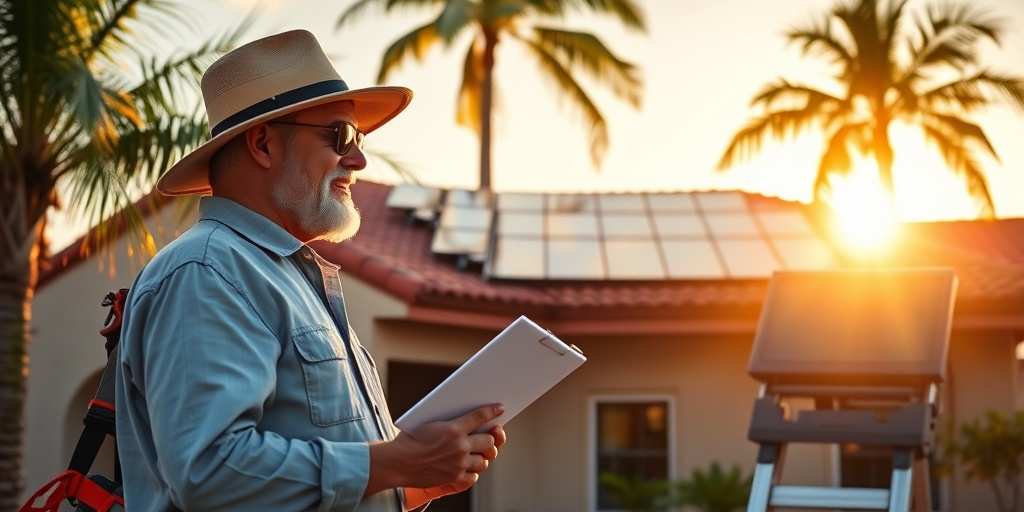
Imagine this: your power bills are cut by over 50% as you bask in the warm Florida sun, knowing you’re doing your part for the planet. This scenario is no longer a distant dream but a reality achieved by many Florida homeowners who have embraced solar energy. As of 2023, solar power installations in Florida have skyrocketed, making the state second only to California in total solar capacity (SEIA.org). Yet, while initial installation choices are critical, many homeowners overlook one vital fact: the lifespan of their solar panels. Welcome to “Expert Insights on Maximizing Your Solar Panel Lifespan,” where we delve into the intricate world of solar technology and share insights on how you can extend the life of your investment, ensuring you enjoy long-term savings and sustainability.
As we enter 2025, the urgency to explore solar options is greater than ever. Rising energy prices, estimated to climb by 10% annually over the next few years, urge homeowners to cut costs where possible (Energy.gov). Combine this with the compound effect of climate change and increasing instability in the grid, and the advocate for solar power becomes clear. With state incentives for solar installations still strengthening, there’s no better time to learn how to maximize your solar panel lifespan.
In this article, we will explore:
- Understanding Solar Panel Lifespan: The factors that influence longevity and real-world case studies.
- Essential Maintenance Checklist: Steps you can take to ensure optimal performance of your solar panels.
- Debunking Common Solar Myths: What you thought you knew vs. the reality of solar technology.
- Florida-Specific Considerations: Regulations, incentives, and best practices specifically for Floridians.
- Technical Insights: A dive into the technology and policies shaping solar energy today.
Now, let’s embark on this enlightening journey into how you can maximize your solar panel’s lifespan and harness the power of the sun for years to come.
Understanding Solar Panel Lifespan: Factors and Case Studies
In America, the average lifespan of solar panels is designed to last between 25 to 30 years. However, actual performance can vary based on a multitude of factors, including installation quality, environmental conditions, and maintenance practices. A case in point is the Johnson family from Tampa, Florida, who decided to go solar four years ago. Initially, they experienced a significant decrease in their monthly electric bill, but keeping their system operational in the long run became a priority.
Some factors affecting lifespan include:
- Quality of Installation: Poorly installed panels can suffer from issues like micro-cracks and moisture infiltration, drastically shortening their lifespan. Certified installers, like those from Florida Electric & Solar, ensure all systems are set up to last.
- Environmental Conditions: Florida’s sunny, humid climate plays a role in how your panels perform. High temperatures can reduce efficiency, while extreme weather events can damage the panels themselves.
- Type of Panels: Not all solar panels are created equal. Monocrystalline panels may provide better longevity compared to their polycrystalline counterparts, though they might come at a higher initial investment.
According to the National Renewable Energy Laboratory, most solar panels retain around 80% of their efficiency even after 25 years. While this is comforting, ordinary wear and tear can lead to lower returns on your investment if routine maintenance is neglected (NREL.gov). For the Johnsons, scheduled check-ups with Florida Electric & Solar helped identify minor performance issues early and keep their system generating effectively.
This narrative illustrates the importance of understanding and investing in factors that prolong the lifespan of solar panels. Keep this in mind as we explore actionable steps you can take to maximize the longevity and viability of your solar investment.
Essential Maintenance Checklist for Longevity
Want to extend the life of your solar panels? Follow our straightforward maintenance checklist designed specifically for Florida homeowners. Keeping your system in optimal condition ensures that you’re not just saving money but also protecting a long-term investment that will yield returns for decades.
- Monthly Visual Inspections: Look for dirt, leaves, or any debris that may block sunlight. A good rule of thumb is to inspect both the panels and the roof around them every month.
- Annual Professional Cleaning: Schedule a deep clean at least once a year, especially given Florida’s unique weather elements.
- Monitor Performance Regularly: Track the performance metrics provided by your solar monitoring system. If you notice sudden drops in energy production, it may be time for an inspection.
- Check for Shade: Trees grow, and structures change. Annual assessments of how shade affects your panels can lead to adjustments that could significantly enhance efficiency.
- Stay Informed About Incentives: Florida often updates its programs for solar enhancements. Keeping up with the latest can help finance upgrades that ensure longevity.
Incorporating these practical steps into your routine will not only enhance the longevity of your solar panels but also ensure they perform optimally throughout their lifespan. Connect with professionals for scheduled maintenance through Florida Electric & Solar to guarantee perfect upkeep.
Debunking Common Solar Myths
Solar energy is often surrounded by misconceptions that may deter potential adopters. To truly maximize your solar panel lifespan, it’s essential to separate fact from fiction. Here’s a roundup of some of the most common myths and their realities.
- Myth #1: Solar Panels Only Work in Direct Sunlight – While it’s true that solar panels operate best in sunlight, they can still generate energy on cloudy days or during cooler temperatures.
- Myth #2: Once Installed, Solar Panels Require Little to No Maintenance – This could not be further from the truth. Regular checks and cleaning can prevent long-term damage and increase efficiency.
- Myth #3: Solar Panels are Too Expensive – With decreasing costs and various financing options, it’s more affordable than ever to integrate solar energy into your home’s power supply.
- Myth #4: Solar Energy is Bad for the Environment – Contrary to this belief, solar energy is a clean alternative that significantly reduces your carbon footprint.
- Myth #5: Solar Systems Will Not Increase My Property Value – Studies show that properties with solar energy systems often sell at higher prices compared to similar homes without them (SolarReviews.com).
These myths can lead to misunderstanding the full potential and benefits of solar systems. Educating yourself about solar facts will empower you to make the best-informed decisions for your home and wallet.
Florida-Specific Considerations for Solar Energy
Living in Florida brings unique advantages when it comes to solar energy. The Sunshine State is renowned for its plentiful sunlight, averaging over 237 sunny days a year (weather.com). However, there are several local factors every Florida homeowner should consider when maximizing their solar panel lifespan.
- Net Metering Policies: Florida’s net metering allows homeowners to get credited for the excess energy their solar system produces, a motivating factor to maintain system efficiency to earn maximum credits.
- Hurricane Season Preparations: Given Florida’s susceptibility to severe weather, investing in durable solar components and understanding local storm-related regulations can safeguard your system.
- Incentives and Rebates: Always stay updated on state programs like the Solar Energy Systems Incentives Program which provides financial benefits to homeowners going solar.
Understanding the local solar landscape enables Florida homeowners to better maintain their solar investments while maximizing returns and ensuring that their systems work effectively and efficiently. Keeping up with Florida-specific regulations and the industry’s latest advances will only solidify your knowledge for navigating the solar energy future.
Technical Insights for Energy Savvy Homeowners
Solar energy’s emerging technologies have provided groundbreaking strides that not only increase efficiency but also significantly prolong the lifespan of solar installations. This section aims to offer deep insights into various technical aspects of solar panels and how they can both maximize savings and efficiency.
Some notable technologies include:
- Microinverters: Unlike traditional string inverters, these allow each panel to operate independently, providing greater resilience against shading and improving overall lifespan.
- Bifacial Solar Panels: These panels capture sunlight from both sides, enhancing energy production without needing additional space, thus maximizing investment.
- Thermal Management Innovations: Advanced cooling technologies help prevent overheating, which is crucial in sunny climates like Florida’s, ultimately extending system longevity.
Moreover, various emerging policies are promoting newer technologies that ensure solar energy remains economically viable. As federal and state regulations evolve to support sustainability while shielding homeowners from energy market vulnerabilities, staying informed can position you for maximizing returns on your solar assets.
Next Steps for Florida Solar Buyers in 2025
As we conclude this insightful exploration into maximizing solar panel lifespan, it’s crucial to understand the actionable steps you need to take as a Florida homeowner interested in switching to solar in 2025.
- Step 1: Audit Your Electric Bill – Understand your typical energy usage. This helps in selecting an appropriate solar system size for your needs.
- Step 2: Research Your Options – Get quotes from multiple certified installers to compare services and prices while ensuring high-quality components.
- Step 3: Invest in Quality Equipment – Choose top-rated panels and inverters to guarantee longevity and efficiency.
- Step 4: Schedule Regular Maintenance – Partner with a local provider, like Florida Electric & Solar, to ensure routine check-ups for peak performance.
- Step 5: Stay Informed on Incentives and Upgrades – Keep abreast of state and federal changes that affect solar ownership, financing options, and efficiency upgrades.
By taking these vital steps, you create a solid framework for maximizing your solar investment’s lifespan and effectiveness. Don’t underestimate the difference it can make in your home’s energy consumption and overall savings.
In summary, understanding how to maximize your solar panel lifespan is not just about routine maintenance; it’s about making informed decisions at every step of the process, from installation to operational excellence. Embracing these insights can steer you towards a sustainable, energy-efficient future. Now is the time to act!
Ready to start your solar journey in 2025? Connect with a certified expert at floridaelectricandsolar.com today.
Related Articles
More insights about Solar Panel

Florida Homeowners: Why Solar Panel Maintenance Is Essential

7 Essential Steps for Solar Panel Installation Success

Expert Insights: Key Factors Influencing Solar Panel Lifespan
Ready to Go Solar?
Have questions about solar energy? Our experts are here to help you make the switch to clean, renewable energy.