
Expert Insights on Solar Panel Lifespan for Homeowners
Share:
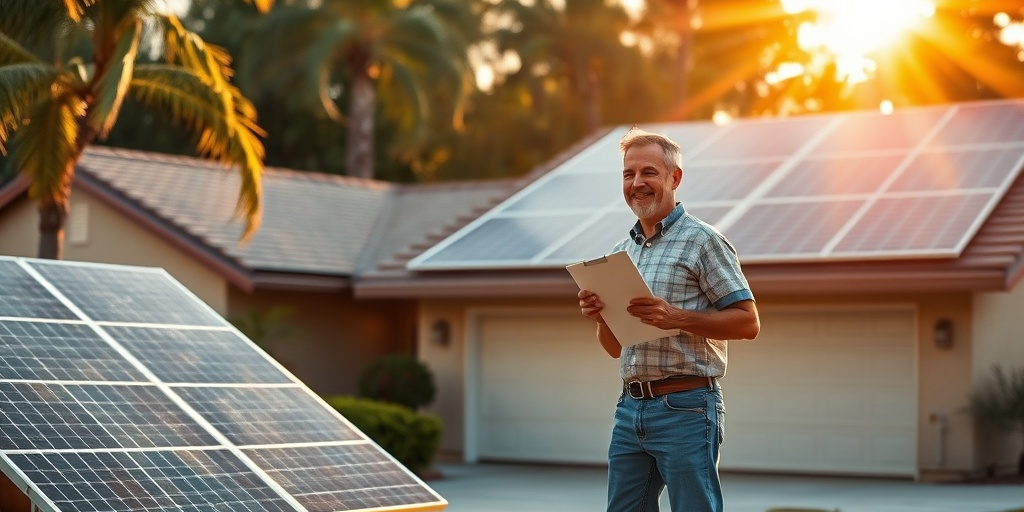
What if I told you that solar panels could last anywhere between 25 to 30 years or even longer, depending on how you take care of them? In 2025, as energy costs continue to soar and Florida faces the threat of unpredictable weather patterns, the lifespan of your solar investment becomes a crucial factor not just for sustainability but also for your financial health. Welcome to “Expert Insights on Solar Panel Lifespan for Homeowners.” This guide will uncover the truth about solar panel lifespan and how durability impacts your investment today, especially in the Sunshine State. As a Florida homeowner, understanding the longevity of your solar system can help you maximize your energy savings while ensuring a reliable power source for decades to come.
Recent studies illustrate that installing solar panels can reduce electric bills by up to 50% (SEIA.org), and a whopping 90% of homeowners reported satisfaction with their solar systems (SolarReviews.com). As we move into 2025, new solar incentives and rebates are also on the horizon, further enhancing the appeal of solar energy in Florida. This post aims to provide valuable insights into the lifespan of solar panels and practical steps you can take to extend it. We will explore the following sections:
- Section 1: A deep dive into solar panel longevity, including a compelling example from a local homeowner.
- Section 2: Key considerations you need to know when assessing panel durability.
- Section 3: Top five expert installation tips for maximizing longevity.
- Section 4: A narrative that uniquely illustrates the journey of a Florida homeowner transitioning to solar.
- Section 5: An action plan tailored for Florida homeowners looking to invest in solar in 2025.
Let’s dive in!
Understanding Solar Panel Lifespan: A Deep Dive
The durability and lifespan of solar panels is one of the most critical considerations before you invest. Not all solar panels are created equal. This section will guide you through the key factors affecting lifespan while telling the story of a Florida homeowner, Maria, who has reaped the long-term benefits of wise solar system choices over the years.
When Maria first considered solar panels for her home in Tampa in 2020, she had concerns about their durability. Like many Florida homeowners, she had heard anecdotes from friends and neighbors claiming that solar systems could degrade rapidly due to humidity and hurricane threats. However, after thorough research, she discovered some compelling data that eased her worries. According to the National Renewable Energy Laboratory, modern solar panels can maintain at least 80% of their efficiency for 25 years (NREL.gov).
Maria’s Findings: To ensure that her investment would pay off, she contacted multiple solar companies. In her discussions, she learned that the type of solar panels and their warranties differed significantly among providers. Opting for Tier 1 solar panels—those meeting higher standards—she secured a 25-year warranty that promised minimal degradation over that period.
On top of the choice of panels, the installation process also plays a vital role in a system’s longevity. Areas prone to hurricanes, for instance, require rigorous installation standards to withstand extreme weather. Maria’s installers adhered to strict guidelines set by the Florida Building Code, which necessitates specific wind-load ratings to ensure structural integrity. Furthermore, Maria took a proactive approach by having her panels regularly serviced to ensure they remained functional and efficient.
To further summarize the factors influencing solar panel lifespan, here’s a checklist for Florida homeowners:
- Choosing High-Quality Panels: Opt for reputable manufacturers with proven longevity records.
- Understanding Warranty Details: Look for long-term warranties that cover parts and performance.
- Professional Installation: Ensure that certified professionals install your system to comply with local building codes.
- Regular Maintenance: Schedule yearly check-ups to inspect and clean panels.
- Monitor Efficiency: Utilize monitoring systems to track solar energy production and identify issues early.
Despite the initial investment, Maria felt reassured that her solar system would yield significant savings over its lifespan—an essential consideration for homeowners making energy choices in 2025. Let’s explore what you need to consider before installing solar panels.
What to Know Before Buying Solar Panels
Investing in solar energy is more than just making the switch; it’s about making an informed decision that can protect your financial future. In this section, we’ll dive deeper into what you need to know about the specifications, quality, and maintenance of solar panels—all pivotal for their longevity.
Are you aware that the efficiency of solar panels can vary widely? They generally fall between 15% and 22%, which drastically impacts how much energy you can produce (Energy.gov). Factors you should consider include:
- Panel Quality: Premium panels may have a higher upfront cost, but they often offer better performance over time.
- Technology Type: Monocrystalline panels are usually more efficient but more expensive than polycrystalline options.
- Local Environment: Check which solar technologies work best given Florida’s unique weather challenges.
- Reputation of Installer: Make sure to choose an installer with good reviews, credentials, and strong warranties.
One Florida-based statistic to note is that energy costs are anticipated to rise by as much as 30% over the next decade (U.S. Energy Information Administration). This implies homeowners will find themselves needing cost-effective energy solutions more than ever, making the choice to switch to solar now a pressing concern.
Lastly, be aware of how solar energy policies and financial incentives are changing. Various state and federal incentives are set to evolve in 2025. Always check for up-to-date information on tax credits and rebates that can help you offset your installation costs, such as the Federal Investment Tax Credit (ITC).
5 Expert Solar Installation Tips for 2025
The installation of your solar system can significantly impact its lifespan and efficiency. Here are five essential tips from experts that will ensure your solar panels are set up for maximum longevity and performance in 2025.
Tip #1: Choose the Right Location
Proper placement of solar panels is critical for ensuring they capture maximum sunlight. Avoid areas shaded by trees or buildings as this severely reduces solar production. A local solar expert will analyze your home’s layout to select the best installation point.
Tip #2: Don’t Skimp on Mounting Equipment
Use high-quality mounting equipment rated for Florida’s weather conditions. Make sure that brackets, rails, and fasteners are built to withstand the heavy wind loads and potential cyclones common in the area.
Tip #3: Opt for Microinverters
Consider using microinverters instead of one central inverter. This way, if one panel underperforms, it won’t affect your entire system’s output. Microinverters can increase overall energy production and are particularly advantageous in complex rooftops.
Tip #4: Regular Monitoring and Maintenance
Monitor your system’s performance regularly through an app or monitoring system. This allows you to catch performance drops early before they affect your savings. Schedule maintenance every one to two years to clean panels and check connections.
Tip #5: Consult Local Experts
Connect with local solar experts and consultants who understand Florida’s specific requirements. They can offer tailored advice on installation practices that are most effective in your region.
Consider visiting floridaelectricandsolar.com for more information about optimal installations and energy-saving tips tailored for Florida homeowners.
A Homeowner’s Solar Journey
The journey of transitioning to solar is often filled with highs and lows, but it ultimately leads to empowerment for Florida homeowners. Here’s a fictional yet realistic account of a Florida couple, Jake and Emily, and how they embraced solar energy.
Jake and Emily, residents of Orlando, were unsure about energy costs rising each year. They saw their electric bill grow by $30 annually, which was unsustainable. In early 2025, they decided to explore solar energy as a solution and contacted a reputable provider.
After extensive research and consultations, they learned about various solar panel options and the potential savings associated with solar energy. They also realized that with every kWh of energy they generated, they were not only saving money but also reducing their carbon footprint—something important to them as environmentally conscious homeowners.
Throughout their installation process, Jake and Emily engaged with their installer, asking questions and ensuring their system was set up securely and efficiently. They opted for a robust monitoring system that alerts them about production patterns, which gave them peace of mind.
As they settled into the sunny summer months, Jake and Emily noticed they generated more energy than they consumed. They were delighted to earn credits, which would offset their electric bills in the future. Their 25-year warranty also made them confident in the longevity of their investment. They took the time to schedule maintenance visits to keep everything in top shape, ensuring their solar panels would last as long as they could.
By the end of the year, Jake and Emily had cut their electricity costs in half. Their journey inspired their neighbors, leading them to consider solar options as well. This ripple effect illustrated a growing trend in Orlando—homeowners increasingly seeking sustainable energy solutions.
Next Steps for Florida Solar Buyers in 2025
Ready to take the plunge into solar energy? Here’s a handy checklist to guide you through each essential step:
- Step 1: Audit Your Electric Bill
Analyze your current energy consumption and costs to determine your potential savings with solar. - Step 2: Research Solar Companies
Compile a list of local solar providers, comparing warranties, reviews, and installation offerings. - Step 3: Consult with Experts
Meet with certified solar consultants who know Florida’s unique installations and solar regulations. - Step 4: Understand Financing Options
Look into different payment plans, tax incentives, and financing options available for solar installations. - Step 5: Schedule Your Installation
Once you’ve made your decision, schedule your installation with a trusted provider to start reaping the benefits.
For more information about your solar journey, remember to visit floridaelectricandsolar.com.
Conclusion
Pursuing solar energy in 2025 is no longer just a choice; it’s a necessity for Florida homeowners seeking financial relief and sustainability. As we explored in “Expert Insights on Solar Panel Lifespan for Homeowners,” understanding the durability of your solar panels is key to making a wise investment. From selecting high-quality materials to ensuring professional installation and routine maintenance, there are many factors at play. The journey from skepticism to satisfaction, as illustrated through the narratives of homeowners like Maria, Jake, and Emily, showcases the long-term benefits that solar energy offers.
Your decision to embrace solar reflects not just a commitment to lower electric bills but also to a sustainable and empowered future for your family. As energy prices continue to climb, the urgency to transition into renewable energy has never been clearer. Take that first step towards your solar journey today—the future is bright, and it’s waiting for you!
Ready to start your solar journey in 2025? Connect with a certified expert at floridaelectricandsolar.com today.
Related Articles
More insights about Solar Panel

Florida Homeowners: Why Solar Panel Maintenance Is Essential

7 Essential Steps for Solar Panel Installation Success

Expert Insights: Key Factors Influencing Solar Panel Lifespan
Ready to Go Solar?
Have questions about solar energy? Our experts are here to help you make the switch to clean, renewable energy.